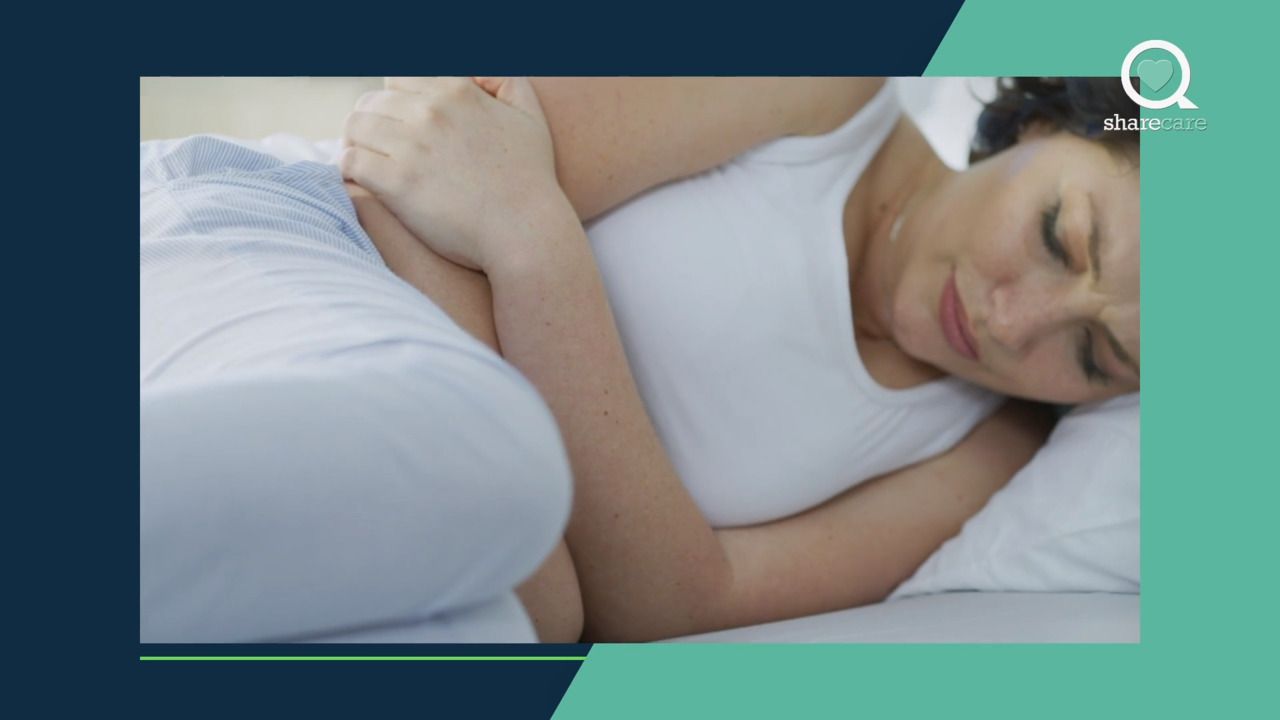


Trying to quit using heroin or a prescription opioid is a brave decision. While giving up these addictive drugs can be difficult, you can do it. Quitting can help prevent long-term health problems, decrease the risk of overdose and injury, and help you improve your quality of life.
You don’t have to do it alone, known as going "cold turkey." In fact, going cold turkey can increase your chances of relapse, and it can be dangerous for some people.
Instead, it can help to partner with a healthcare provider (HCP) to manage withdrawal symptoms and prevent relapse. An HCP can help you come up with a plan, and provide medical guidance and treatment that can help reduce cravings and opioid withdrawal symptoms, like pain, agitation, and anxiety. Alternative treatments, psychotherapy, counseling, and addiction support groups can all help you quit and stay quit.
To understand why treatment helps, it’s important to first understand why you may experience withdrawal after you stop taking opioids.
Anatomy of opioid withdrawal
Molecules of opioid drugs bind to parts of cells called opioid receptors. These receptors influence a variety of body functions like breathing, mood, and pain sensitivity. After using drugs for a period of time, your body develops a tolerance and requires more and more of the drug to feel its effects. Eventually, your body can develop dependence, when it requires the drug in order for these receptors to function normally. When you’re dependent on a drug and don’t have it, withdrawal symptoms start to show up.
Symptoms of opioid withdrawal
Opioid withdrawal can be very uncomfortable and comes in at least two stages. Early symptoms can include:
- Anxiety, agitation or restlessness
- Flu-like symptoms such as a muscle aches, runny nose, or runny eyes
- Sweating
- Yawning
- Trouble sleeping
Later symptoms can include:
- Stomach cramps, diarrhea, nausea or vomiting
- Goose bumps, chills or fever
- Dilated pupils
- Rapid heartbeat
- Mildly increased blood pressure
Rarely, heart problems and seizures have been reported in some people.
The time it takes for opioid withdrawal symptoms to develop varies from person to person, and can depend on the dose and type of drug you’re dependent on. For example, heroin withdrawal may start as early as 4 to 8 hours after your last dose, peak within 36 to 72 hours, and last 7 to 10 days. Methadone withdrawal develops more slowly, and may start about 24 hours after your last dose, peak within 4 to 6 days, and last up to 21 days. Some people may continue to experience certain symptoms of methadone withdrawal for several months and cravings can last longer-term.
Throughout the course of opioid withdrawal, you may experience cravings for the drug. Treatment can decrease cravings and help you stay quit. Some people also experience changes in mood and may have thoughts of suicide. If you’re having thoughts of self-harm or suicide, call, text, or chat the 988 Suicide & Crisis Lifeline at 988.
How to get help with opioid withdrawal
Opioid withdrawal treatments can help wean you off opioids and reduce symptoms that arise when you quit.
If you’ve been on opioids for more than two weeks, you may need to go through a medication taper, in which you gradually decrease your dose of opioids over time. During this period, your HCP may monitor your health, prescribe other types of pain medication, or give you medication to help lessen withdrawal symptoms.
When withdrawing from opioids, different types of care are available depending on your needs, ranging from outpatient monitoring to partial or full hospitalization, to residential programs such as detox facilities.
Your HCP can help you decide which approach is best for you. They may recommend a combination of strategies and medicines to help you quit opioids.
Various medications can help reduce withdrawal symptoms and transition you off opioids:
Methadone
Methadone is an opioid that has been used to treat withdrawal from other opioids since the 1960s. Because it sticks around in your body longer than shorter-acting drugs like heroin, it can help decrease withdrawal symptoms. Methadone is taken orally and the amount prescribed doesn’t create an opioid high.
Methadone overdose carries a risk for death, and it is usually reserved for treating opioid withdrawal in inpatient settings, such as hospitals or detox facilities. After detox, some people are transitioned to methadone maintenance therapy, which must take place within a supervised, licensed treatment program.
Methadone maintenance lasts at least a year and sometimes two or more, during which time the dose of methadone is gradually reduced. Because methadone is an opioid, you may experience some withdrawal after you stop taking it. Methadone can help decrease cravings for other opioids, and may prevent relapse.
Buprenorphine
This is another type of opioid that can help lessen withdrawal symptoms, reduce cravings, and prevent relapse. Like methadone, it doesn’t produce much of a high and sticks around longer in your body. Buprenorphine can also be used in maintenance therapy, and can be prescribed by specially trained HCP’s without your having to go to a methadone clinic. Treatment is tailored to each person’s needs, and lasts at least four to six months, but can continue for longer or indefinitely. As with methadone, you may experience some withdrawal after you stop taking buprenorphine.
Naltrexone
Naltrexone blocks the effects of opioids and can help prevent relapse. Because it can cause sudden, severe withdrawal if you take it while opioids are still in your system, naltrexone is usually reserved for maintenance therapy after detox has been completed. It can be useful if you have less severe dependence and a strong desire to stay quit. If you have had relapses, maintenance therapy with methadone or buprenorphine may be more effective.
Naloxone
Naloxone also blocks the effects of opioids, and can cause sudden withdrawal. While it’s commonly used to treat opioid overdose, it’s also added to buprenorphine to decrease the potential for abuse of buprenorphine. Because the effects of naloxone wear off faster than some opioids, it’s important to know that you can still experience overdose if you’re using naloxone alongside some opioids like methadone or sustained release oxycodone or morphine.
Clonidine
Clonidine is used to manage withdrawal symptoms such as anxiety, irritability, sweating, runny nose, muscle aches, and cramping. It doesn’t help reduce cravings, and it’s often used alongside buprenorphine or methadone during detox.
Cannabidiol
Cannabidiol (CBD) is a substance that comes from the cannabis (marijuana) plant and it’s the part of the plant that doesn’t produce a high. A 2021 review of 41 studies in the journal Cannabis Cannabinoid Research found that adding CBD to a standard opioid detox program may help decrease symptoms of withdrawal, such as anxiety, nausea, and pain. However, more research is needed.
Acupuncture
Acupuncture is an alternative health practice that has been in use for thousands of years. When combined with medicines like methadone and buprenorphine, some research suggests that acupuncture may help reduce symptoms of withdrawal. An analysis of 20 studies found that combining acupuncture with methadone maintenance treatment may help improve recovery from opioid dependence. The study was published in the journal Frontiers in Psychiatry in 2021.
Social support is also crucial to quitting opioids. Addiction support groups, counseling, and psychotherapy can be key components to help you in your recovery. Organizations like Narcotics Anonymous and the Substance Abuse and Mental Health Services Administration (SAMSHA) national helpline (1-800-662-4357) can provide support, education, and encouragement to help you through withdrawal and prevent relapse.
Sources: Substance Abuse and Mental Health Servic... + 11
- Substance Abuse and Mental Health Services Administration. Know the Risks of Using Drugs. Last updated July 7, 2022.
- Mayo Clinic. Tapering off opioids: When and how. Last reviewed May 20, 2021.
- Kevin Sevarino. UpToDate. Opioid withdrawal in adults: Clinical manifestations, course, assessment and diagnosis. Last updated March 24, 2022.
- Kevin Sevarino. Medically supervised opioid withdrawal during treatment for addiction. Last updated April 12 2022.
- Medline Plus. Opiate and opioid withdrawal. Last reviewed may 10, 2020.
- Dhaliwal A, Gupta M. Stat Pearls. Physiology, Opioid Receptor. Last updated July 26, 2021.
- O’Malley GF, O’Malley R. Merck Manual Professional Version. Opioid Toxicity and Withdrawal. Last reviewed May 2020.
- The Rockefeller University. Fifty years after landmark methadone discover, stigmas and misunderstandings persist. December 9, 2016.
- Kudrich C, Hurd YL, Salsitz E, et al. Adjunctive Management of Opioid Withdrawal with the Nonopioid Medication Cannabidiol. Cannabis Cannabinoid Res. 2021 Oct 22.
- Medline Plus Acupuncture. Last updated May 26, 2016.
- Wen H, Chen R, Zhang P, et al. Acupuncture for Opioid Dependence Patients Receiving Methadone Maintenance Treatment: A Network Meta-Analysis. Front Psychiatry. 2021 Dec 13;12:767613.
- Substance Abuse and Mental Health Services Administration. SAMHSA's National Helpline. Last updated March 25, 2022.