
Overview
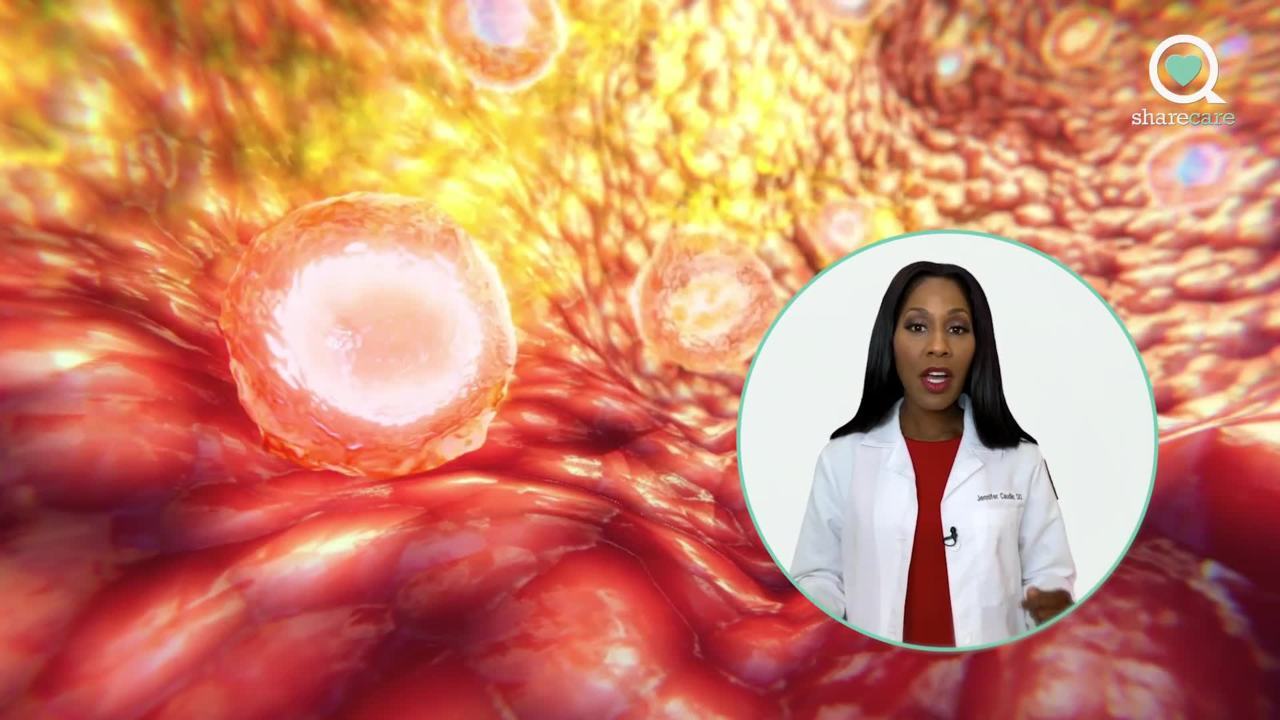
Virtual journey: chronic spontaneous urticaria
Take a look inside the body and learn more about CSU and how it can be treated.
What you need to know about hives
Chronic hives can be caused by many factors including stress, infection, temperature, or even an immune issue.

Understanding chronic hives
Learn what makes hives chronic and what could be possible triggers.

What causes hives?
Find out what causes urticaria—the red, raised, itchy welts on the skin that are more commonly known as hives.

Differences between inducible and spontaneous chronic hives
Learn about the two different categories of chronic urticaria.

7 answers about angioedema
Learn about this type of inflammation beneath the skin that often occurs alongside hives.

Chronic hives: a glossary of terms
The language surrounding chronic urticaria can be confusing. Understanding these terms can make things clearer.

Treatment

How to treat chronic hives
When hives do not go away quickly, the first step in treatment is to consult an allergist.

5 treatment options for chronic hives
Learn about different treatment options that you might discuss with your healthcare provider.

3 ways to improve your chances of success when treating CSU
Here are three things people with CSU should keep in mind about treatment.
Living With Chronic Hives

Can stress make chronic hives worse?
The potentially cyclical relationship between chronic spontaneous urticaria (CSU) and stress.

Coping with the mental and emotional burden of chronic hives
A look at the ways CU can impact mental and emotional health, with seven topics to discuss with a healthcare provider.