

Athlete’s foot
Athlete’s foot, or tinea pedis, is an infection that leads to itchy, burning, scaly, and inflamed skin. It’s caused by ringworm, a fungus that loves to linger around warm, damp places like locker rooms and swimming pools.
Athlete’s foot develops most often between the toes and may be treated with over-the-counter anti-fungal medications. However, if your symptoms last for more than two weeks, it’s time to talk to a healthcare provider (HCP). They may prescribe oral or topical antifungal medication.
You can help prevent athlete’s foot from recurring by keeping your feet clean and dry, and wearing sandals in public showers and around swimming pools.
Nail fungus
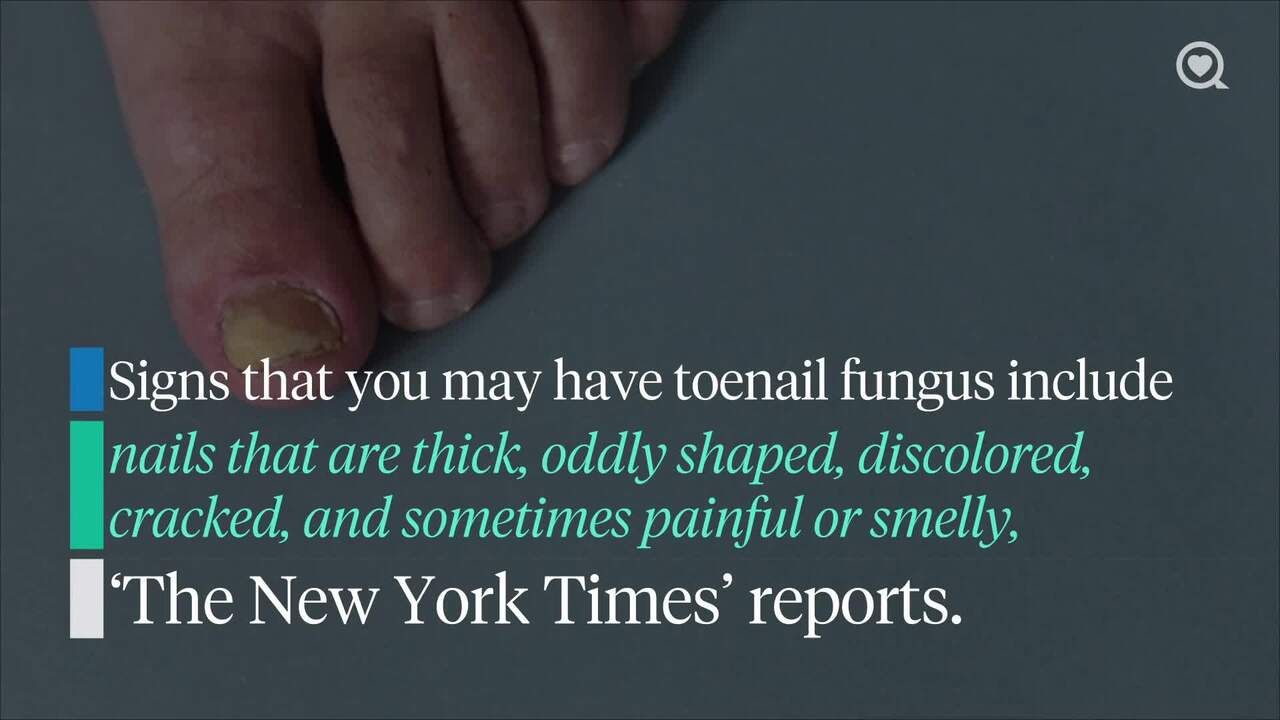
Toenail fungus, or onychomycosis, may occur when athlete’s foot or other fungi spread to the toenails. It is more common in people with diabetes, circulatory problems, and hyperhidrosis. The fungus usually begins beneath the nail and eventually spreads, causing white-yellow or orange-brown discoloration on the nails, and they may become smelly, thick or crumbly.
Talk to an HCP if you notice any discolored nail patches or streaks. Nail fungus typically doesn’t go away on its own. Your HCP may prescribe oral medication, or in severe cases the nail may need to be removed.
Corns and calluses
What’s the difference between a corn and a callus? Both are thickened skin, but corns develop on top of the foot or toes and calluses on the bottom, usually around the heel. They’re often caused by repeated friction or pressure from poorly fitting shoes (think tight pumps or stilettos), although bunions or hammer toes may cause them, too.
Corns and calluses usually go away once you switch to shoes that fit better. But if you have pain or discomfort, it’s time to see an HCP. In some cases, they may shave off the hardened skin, suggest gel pads or orthotics, or prescribe cortisone treatments to relieve pain. Some HCPs recommend patches or medication to break up the excess skin.
Bunions
A bunion is a red, swollen, and/or painful bump along the outer base of your big toe. Bunions can be genetic, and are common in people with flat feet and low arches. They can also develop from trying to squeeze your feet into ill-fitting shoes.
Like corns and calluses, the best and easiest way to prevent bunions is by wearing comfortable shoes and avoiding extra-high heels (2-inch heels or less). Other over-the-counter treatments include bunion pads, shoe inserts, or orthotics. If the pain persists, your HCP may suggest prescription anti-inflammatory meds, cortisone injections or, in some cases, surgery.