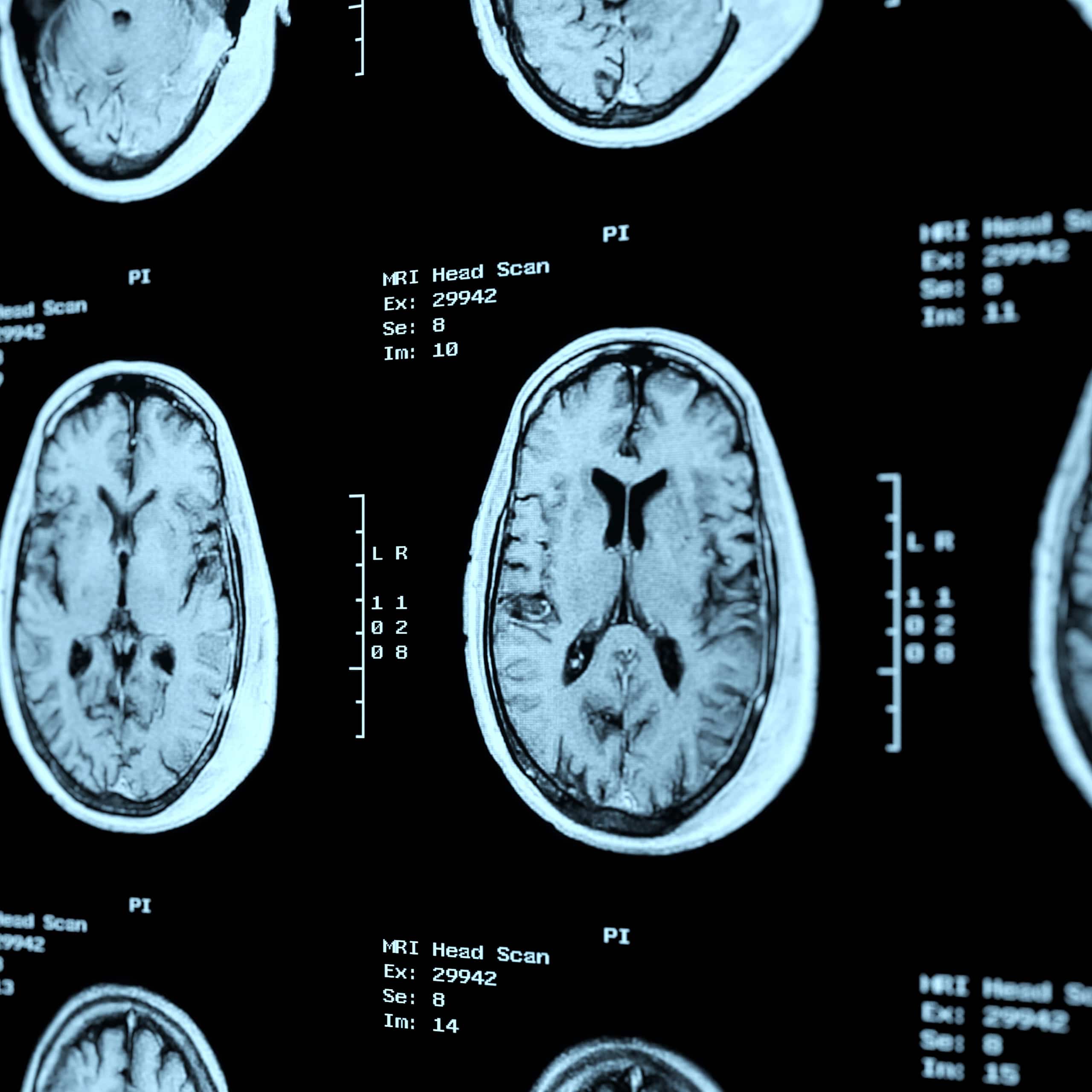


Traumatic brain injuries (TBIs) are one of the major causes of death in the United States, as well as a big reason for many emergency department (ED) visits and hospitalizations. Each year, more than 65,000 people die of TBI-related injuries, according to the Centers for Disease Control and Prevention (CDC). Hundreds of thousands more are hospitalized.
Despite their prevalence, researchers are still trying to determine the long-term effects of these injuries, including their link to dementia. Though the connections are not fully understood, traumatic brain injuries contribute to the risk of developing the condition.
What is a traumatic brain injury?
A TBI occurs when an impact to the head is severe enough to affect regular brain function. TBIs can be penetrating (when something pierces the skull and enters the brain) or blunt (when something hits the head hard but doesn’t penetrate). They are broadly broken down into two main groups: mild and a combined group that includes moderate and severe.
Mild TBI
Mild TBIs are the most common type, comprising about 75 percent of TBIs. They may need little treatment and people who experience them typically recover fully, but some people with mild TBIs may have long-term issues. A person may be more vulnerable to TBIs if they have had one before.
Besides loss of consciousness, symptoms of a mild TBI may include:
- Difficulty thinking clearly
- Feeling dizzy or nauseous
- Inability to concentrate
- Memory loss
- Anxiety
Moderate or severe TBI
A person experiencing a moderate or severe TBI may additionally display the following symptoms:
- Difficulty hearing or seeing
- Aggression
- Sensory perception issues
- Trouble speaking or understanding others
- Unconsciousness
They may develop serious short- and long-term issues, including a higher risk for infections and deep vein thrombosis (DVT). (DVT is a blood clot that forms in a vein deep within the body, such as in the legs.) Treatment for a severe TBI may require stabilization, surgery, and rehabilitation.
How might TBIs lead to dementia?
While multiple large studies suggest that TBIs contribute to the odds of developing dementia, more research is needed to establish a cause-and-effect relationship.
“The exact mechanism how TBI increases the risk of developing dementia of all causes is not clear and currently being investigated,” says Peter Gliebus, MD, chief of neurology and director of Cognitive and Behavioral Neurology at Marcus Neuroscience Institute in Boca Raton, Florida.
Generally speaking, specific diagnoses of neurodegenerative diseases like dementia can only be made after death when a patient’s brain is examined. Meanwhile, researchers are working on ways to measure risk and monitor dementia more accurately during life.
Who’s at risk for a brain injury?
The leading causes of TBIs are falls, firearms, car accidents, and being struck by or against an object. Though head injuries can occur to people of any age, those ages 75 and older are most likely to be hospitalized or die from TBIs.
Athletes who play contact sports have greater chances of a TBI, as do cyclists, snowboarders, skiers, inline skaters, and others who participate in activities that pose a higher injury risk. Boxers, football players, and soccer players tend to be singled out when discussing long-term TBI risk because their injuries have been studied most often.
“We have data available from studies that followed athletes, though brain injury acquired during any other activity most likely has the same consequences,” says Dr. Gliebus. “Scientists have already started looking into other patient groups.”
Young athletes are frequently diagnosed with TBIs, too, particularly those who play contact sports such as tackle football, soccer, hockey, lacrosse, and wrestling. About 7 in 10 ED visits for TBIs related to sports are among kids under age 18. Most TBIs in youth sports are caused by collisions between athletes.
Ways to prevent TBIs
To help reduce the risk of head injury for yourself and your loved ones—and reduce the odds of developing dementia down the line—take these steps:
- Always buckle your seat belt in a vehicle and place children in age- and size-appropriate car seats or booster seats.
- Never drive when you’ve been drinking or taking drugs.
- Whenever you’re playing contact sports, skiing, snowboarding, skating, riding a bike, or driving a recreational vehicle, always wear a helmet and other proper safety equipment.
- Child-proof and fall-proof your home. Use window guards, safety gates, and soft playground material around children. Ensure that the home environment is safe and free of clutter, such as from loose rugs or power cords.
- Have your eyesight checked each year.
- Stay physically fit and keep up with regular strength and balancing exercises as you are able.
If an athlete experiences a concussion or is believed to have had a concussion, they should not play again until medically cleared to do so.
Ways to help lower dementia risk
While there is no way to prevent dementia, you can lower your risk by following these general guidelines prescribed by the CDC:
- Eat a healthy diet that includes fresh fruits and vegetables, whole grains, lean proteins, and healthy fats (such as those from olive oil or seafood). Reduce intake of processed foods and saturated fat (found in red and processed meat and full-fat dairy products).
- Get regular aerobic exercise, ideally 150 minutes per week of moderate-intensity exercise or 75 minutes of vigorous-intensity exercise.
- Avoid smoking.
- Avoid excessive alcohol. If you drink, do so in moderation. That's a limit of one drink per day for women and two for men.
- Maintain a healthy body weight.
- Maintain social connections.
- Get treatment if you experience depression, hearing or vision loss, high blood pressure, diabetes, or cholesterol.
Taking care of your health in these ways can make a real difference. Almost 40 percent of Alzheimer’s disease and related dementias might be delayed or prevented by following a healthy lifestyle and attending to any existing health conditions.
Sources: Alzheimer’s Association. Traumatic Brain... + 16
- Alzheimer’s Association. Traumatic Brain Injury and Dementia. Accessed May 15, 2026.
- Centers for Disease Control and Prevention. Traumatic Brain Injury & Concussion: TBI Data. April 27, 2026.
- Centers for Disease Control and Prevention. WISQARS: Fatal Injury Trends: TBI. Accessed May 15, 2026.
- Centers for Disease Control and Prevention. About Dementia. August 17, 2024.
- Cleveland Clinic. Traumatic Brain Injury. December 17, 2025.
- National Institute of Neurological Disorders and Stroke. Traumatic Brain Injury (TBI). March 13, 2026.
- U.S. Food and Drug Administration. Traumatic Brain Injury: What to Know About Symptoms, Diagnosis, and Treatment. August 23, 2021.
- Scorza KA, Cole W. Current Concepts in Concussion: Initial Evaluation and Management. Am Fam Physician. 2019 Apr 1;99(7):426-434.
- Hubbard WB, Dong JF, et al. Links between thrombosis and inflammation in traumatic brain injury. Thromb Res. 2021 Feb;198:62-71.
- Simmonds E, Han J, et al. Dementia Risk Due to Traumatic Brain Injury in Subtypes of Dementia in the Welsh Population. Neurology. 2025 Aug 12;105(3):e213866.
- Burton R, Durape S, et al. Traumatic Brain Injury and All-Cause and Dementia-Related Mortality in the Framingham Heart Study. JAMA Netw Open. 2026 Jan 2;9(1):e2555138.
- Centers for Disease Control and Prevention. Traumatic Brain Injury & Concussion: Facts about TBI. August 4, 2025.
- U.S. Department of Veterans Affairs. Understanding TBI. Accessed May 15, 2026.
- Dhote VV, Raja MKMM, et al. Sports-Related Brain Injury and Neurodegeneration in Athletes. Curr Mol Pharmacol. 2022;15(1):51-76.
- Centers for Disease Control and Prevention. Heads Up: Data on Sports and Recreation Activities. January 27, 2026.
- Centers for Disease Control and Prevention. Traumatic Brain Injury & Concussion: Preventing TBI. September 15, 2025.
- Centers for Disease Control and Prevention. Alzheimer’s Disease and Dementia: Reducing Risk for Dementia. August 27, 2024.