Myasthenia gravis is an autoimmune disorder that causes muscle weakness and fatigue. It often affects the muscles of the face, and it can also affect the muscles in the limbs and the muscles that enable a person to breathe. Like other autoimmune disorders, it occurs when the body’s immune system attacks healthy cells. With myasthenia gravis, the immune system attacks the neuromuscular junction.
What is the neuromuscular junction?
The neuromuscular junction refers to the connection between motor neurons (a type of nerve cell) and muscle fibers. In other words, it’s where communication occurs between the nervous system and muscles, enabling movement and muscle control. For communication between neurons and muscle fibers to occur:
- Neurons release a chemical messenger called acetylcholine.
- Acetylcholine attaches to muscle cells on specific points called acetylcholine receptors.
In people who have myasthenia gravis, the immune system makes antibodies that block or disrupt acetylcholine receptors. This causes a breakdown in communication between motor neurons and muscle fibers. Keep in mind that this is a simplified explanation of a very complex process, and the mechanisms of myasthenia gravis are not fully understood.
What are the symptoms?
Symptoms of myasthenia gravis can vary from one person to another, but some common symptoms include:
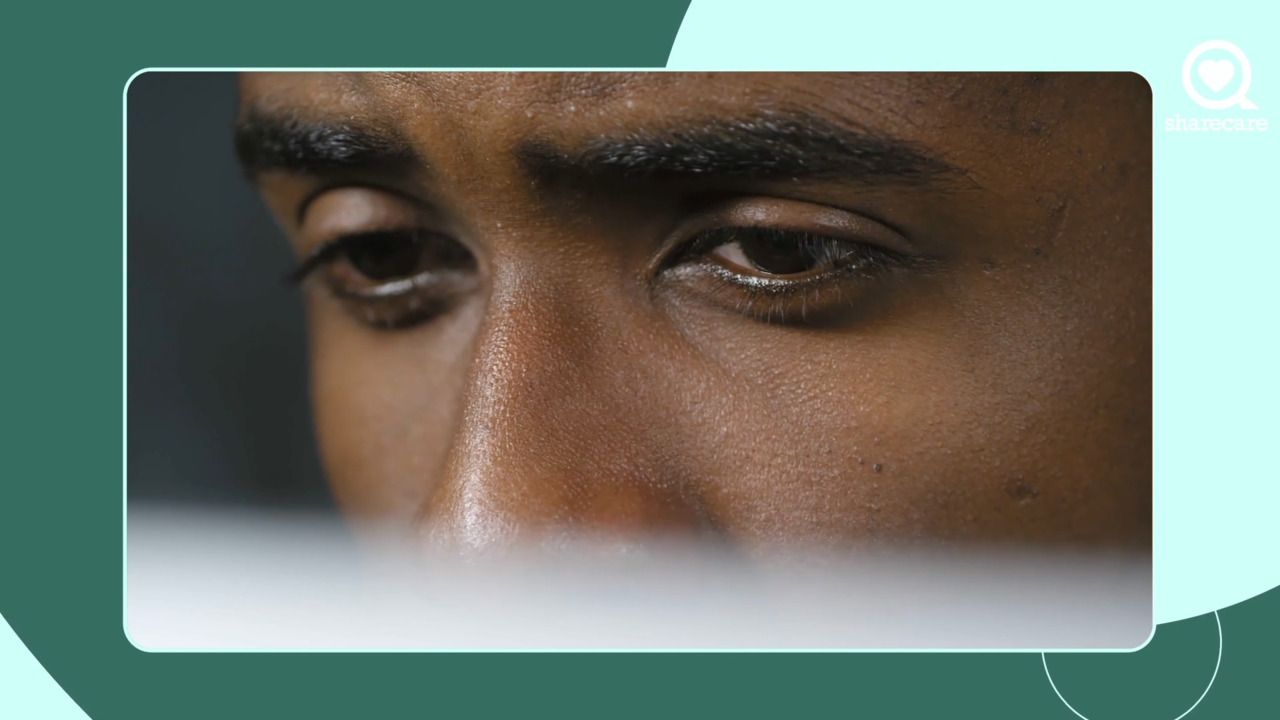
- Eye muscle weakness. Muscle weakness is the primary symptom of myasthenia gravis. It often begins in the eye muscles, leading to drooping eyelids and double vision.
- Fatigue. Fatigue is prevalent among people who have myasthenia gravis. This includes muscle fatigue as well as central fatigue—feeling tired and lacking energy to the point where it interferes with normal activities. Fatigue often worsens during activity, especially prolonged activity.
- Difficulty chewing, speaking, and swallowing. Weakness in the muscles involved in speech, chewing, and swallowing can lead to slurred speech, a hoarse voice, and difficulty eating.
- Facial muscle weakness. This can cause difficulty controlling facial expressions. Some individuals may have a "mask-like" appearance or have difficulty with expressions like smiling.
- Neck and limb weakness. Weakness in the neck and limbs can make it difficult for a person to hold their head upright, walk, and perform many everyday activities.
- Respiratory difficulties. Myasthenia gravis can affect the muscles needed for breathing. In severe cases, this can lead to a medical emergency called myasthenic crisis where a person will be unable to breathe on their own and will require a ventilator.
Symptoms tend to get worse with activity and improve with rest, and in many cases, symptoms will be mild in the morning and worsen later in the day.
Treatment for myasthenia gravis
If you or a loved one are experiencing any of the symptoms described above, make an appointment with a healthcare provider. Myasthenia gravis can be diagnosed with neurological exams, blood tests to check for the presence of antibodies, and imaging tests to check the size of the thymus gland, which is often enlarged in people who have myasthenia gravis.
While there is no cure for myasthenia gravis, there are therapies that can help reduce symptoms, prevent complications, and address the ways that myasthenia gravis impacts a person’s life.
Sources: National Institute of Neurological Disor... + 8
- National Institute of Neurological Disorders and Stroke. Myasthenia Gravis.
- Mayo Clinic. Myasthenia gravis.
- NCI Dictionary of Cancer Terms. Autoimmune disease.
- Ashithkumar Beloor Suresh and Ria Monica D. Asuncion. Myasthenia Gravis. StatPearls. September 16, 2022.
- University of Rochester Medical Center Health Encyclopedia. Acetylcholine Receptor Antibody (Blood).
- Hulya Tireli, Gulbun Yuksel, Tamer Okay, and Kemal Tutkavul. Role of thymus on prognosis of myasthenia gravis in Turkish population. North Clinics of Istanbul, 2020. Vol. 7, No. 5.
- Abdillahi Omar, Komal Marwaha, and Pradeep C. Bollu. Physiology, Neuromuscular Junction. StatPearls. May 8, 2022.
- Annabel M. Ruiter, Jan J.G.M. Verschuuren, Martijn R. Tannemaat. Fatigue in patients with myasthenia gravis. A systematic review of the literature. Neuromuscular Disorders, 2020. Vol. 30, No. 8.
- Johns Hopkins Medicine. Myasthenia Gravis.