Lymph nodes: what do they mean in a breast cancer diagnosis?


LearnCancerA guide to treating early-stage breast cancerLymph nodes: what do they mean in a breast cancer diagnosis?
  • What are lymph nodes?
  • What happens if lymph nodes are involved?

When a person has breast cancer, they have at least one cancerous tumor in one or both breasts. Tumors are an abnormal growth of tissue. Cancerous tumors—also called malignant tumors—refer to tumors that grow quickly, invade nearby tissues, and spread to other parts of the body.

One of the most common areas of the body for breast cancer to spread to are the lymph nodes in the underarm. Here, we look at what lymph nodes are, what it means when breast cancer spreads to a lymph node, and what this means for treatment options.

What are lymph nodes?

Lymph nodes are small, bean-shaped clusters of cells that are located in hundreds of places throughout the body, including the armpits, chest, neck, belly, and groin.

They are part of the body's immune system, and they contain white blood cells that help fight things like infectious bacteria, viruses, and cancerous cells. Each lymph node filters substances and fluids picked up by the lymph vessels leading to it.

When a person has cancer—such as breast cancer—cancer cells can break away from the tumor and travel through the lymph vessels. These cancerous cells can settle in lymph nodes, where they form new tumors. This spread is called metastasis.

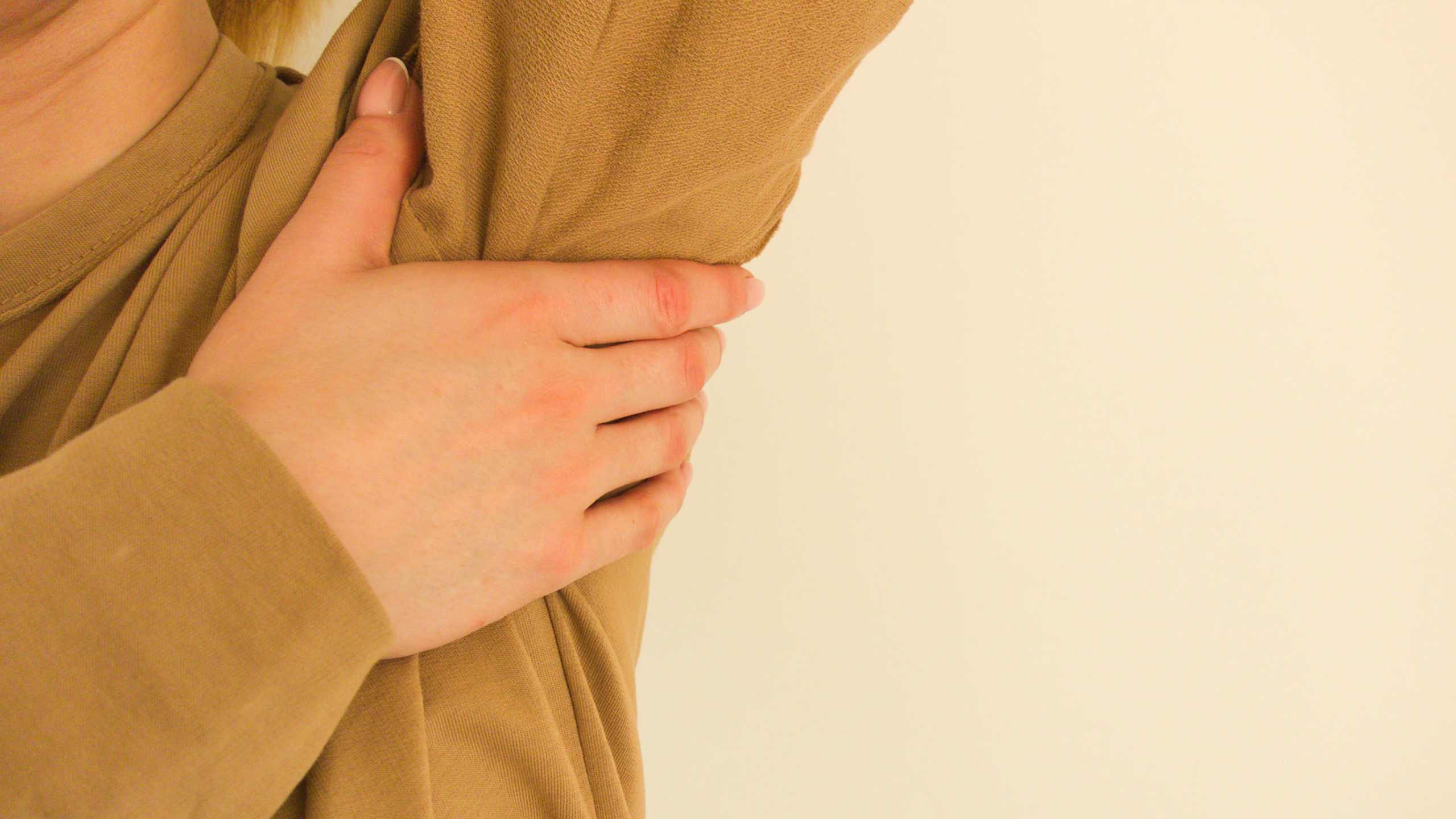
Lymph nodes may become swollen as they work to filter out cancer cells. In some cases, they can be felt under the skin’s surface. In other cases, they may not be noticeable. Healthcare providers will use scans or other imaging tests to check for enlarged lymph nodes when diagnosing and staging breast cancer.

What happens if lymph nodes are involved?

If scans or other imaging tests show enlarged lymph nodes, the next step will likely be a biopsy. This involves taking tissue samples from a lymph node or removing it with surgery. This sample is examined in a lab to check for cancer cells—and if there are, how many. A biopsy may also be done on the primary tumor in the breast.

Checking for lymph node involvement helps your healthcare team determine if cancer has spread, how far it has spread, and what other tests and exams are needed at this time. It also helps your healthcare team decide on the best approach to treatment.

Treatment for breast cancer is a little bit different for everyone and choosing a treatment will take into account many factors about the person with cancer and about the cancer itself.

Lymph node involvement is one factor. Other factors include the size of the tumor, hormone-receptor status, and the grade of the tumor—how different the cancerous cells appear compared to normal, healthy cells.

They will also take into account the person’s age, if they have been through menopause, and personal preferences, medical history, and current health.

Being diagnosed with cancer can feel overwhelming, and having to take in and process all of this information can make it seem even more overwhelming. Remember that your healthcare team will be your best source of information. Ask questions, learn as much as you can about your diagnosis, and advocate for yourself.

Sources: MedlinePlus. "Tumor." + 10
  1. MedlinePlus. "Tumor."
  2. Aisha Patel. "Benign vs Malignant Tumors." JAMA Oncology, 2020. Vol. 6, No. 9.
  3. NCI Dictionaries. "Lymph Node."
  4. Susan G. Komen. "Lymph Node Status."
  5. National Cancer Institute SEER Training Modules. "Lymph Nodes."
  6. American Cancer Society. "Lymph Nodes and Cancer."
  7. NCI Dictionaries. "Metastasis."
  8. Memorial Sloan Kettering Cancer Center. "Lymph Node Biopsy."
  9. American Cancer Society. "Breast Biopsy."
  10. American Cancer Society. "Treatment of Breast Cancer by Stage."
  11. Johns Hopkins Medicine Pathology. "Staging & Grading."
Written by Erica Patino.
Medically reviewed by Joanne Perron, MD, MPH.January, 2024
Updated onAugust, 2026
Written by Erica Patino.
Medically reviewed by Joanne Perron, MD, MPH.January, 2024
Updated onAugust, 2026
  • What are lymph nodes?
  • What happens if lymph nodes are involved?

Featured content

Data Behind the Disease: Early-Stage Breast Cancer
Interactive

Data Behind the Disease: Early-Stage Breast Cancer

Virtual Patient Pal: Early-Stage Breast Cancer
Interactive

Virtual Patient Pal: Early-Stage Breast Cancer

Life Unscripted With EBC
Interactive

Life Unscripted With EBC

Protecting your fertility when you have breast cancer
Article

Protecting your fertility when you have breast cancer

Treatment with gonadotropin-releasing hormone agonist (GnRHa) medications could lower the chances of infertility for some people with the disease.

What type of surgery is used to treat breast cancer?
Article

What type of surgery is used to treat breast cancer?

There are several options to consider, depending on your health profile and preferences.

Why breast cancer clinical trials need more diversity
Article

Why breast cancer clinical trials need more diversity

In order to improve breast cancer outcomes, clinical trials need more women from racial and ethnic minorities.

How breast cancer affects people without health insurance
Article

How breast cancer affects people without health insurance

Millions of people in the U.S. are uninsured. Here’s what that can mean when you’re living with breast cancer.

Key statistics show racial disparities in breast cancer
Article

Key statistics show racial disparities in breast cancer

Learn how race or ethnicity could affect a person’s risk, age of diagnosis, and treatment outcomes.

5 ways to stay emotionally fit after a cancer diagnosis
Article

5 ways to stay emotionally fit after a cancer diagnosis

It’s important to consider the mental and emotional sides of health in addition to the physical.

5 ways to stay emotionally fit after a cancer diagnosis
Article

5 ways to stay emotionally fit after a cancer diagnosis

It’s important to consider the mental and emotional sides of health in addition to the physical.

Talking to children and teens about a breast cancer diagnosis
Article

Talking to children and teens about a breast cancer diagnosis

If you need to tell a child or teen that you have been diagnosed with breast cancer, these strategies may help.

Sharing an early-stage breast cancer diagnosis
Article

Sharing an early-stage breast cancer diagnosis

Four strategies that may help when telling people that you’ve been diagnosed with early-stage breast cancer.

5 questions to ask a care team about breast cancer recurrence
Article

5 questions to ask a care team about breast cancer recurrence

A guide for talking to your oncologist and other healthcare providers about reducing the risk of breast cancer recurrence.

Understanding different types of breast cancer recurrence
Article

Understanding different types of breast cancer recurrence

The differences between local, regional, and distant breast cancer recurrence, with a look at symptoms for each.

What to ask your doctor about early-stage breast cancer
Video

What to ask your doctor about early-stage breast cancer

If you've been diagnosed with HER2-positive breast cancer, talk to your doctor about what it means for your treatment options.

Targeted therapy and HER2-positive breast cancer
Video

Targeted therapy and HER2-positive breast cancer

Treatments for this type of cancer have improved significantly.

What does it mean to be HER2 positive vs. HER2 negative?
Video

What does it mean to be HER2 positive vs. HER2 negative?

The difference between HER2-positive and HER2-negative breast cancer is related to the amount of a certain protein.

Mind your health: anxiety, depression, and cancer
Video

Mind your health: anxiety, depression, and cancer

Stress can trigger anxiety and depression, and cancer is extremely stressful itself.

9-minute meditation for cancer
Video

9-minute meditation for cancer

Going through cancer can be stressful. According to the American Cancer Society, mindfulness and relaxation practices can help reduce stress.

6 steps to take after a breast cancer diagnosis
Slideshow

6 steps to take after a breast cancer diagnosis

Learning you have breast cancer can be overwhelming. Try these oncologist-recommended tips to move forward.

Weight, social ties and other factors that increase your risk of breast cancer relapse
Slideshow

Weight, social ties and other factors that increase your risk of breast cancer relapse

Find out which factors can raise your risk of cancer recurrence, plus how to lower your risk when possible.

AskMD by Sharecare LogoAskMD by Sharecare Logo
Privacy policyConsumer health data privacyTerms of use
Cookie policyYour privacy choices

© 2026 Sharecare, Inc.

ask-mdask-md
AskMD by Sharecare LogoAskMD by Sharecare Logo
Privacy policyConsumer health data privacyTerms of use
Cookie policyYour privacy choices

© 2026 Sharecare, Inc.