Four people living with metastatic breast cancer share what it means to be strong.
Patients diagnosed with metastatic breast cancer often have a window of time between diagnosis and full treatment. This time can be used to receive specific compounds to help treat the cancer. Watch why this matters, here.
Treatments for metastatic breast cancer are often accompanied by severe side effects, including fatigue and nausea. Here are a few helpful tips to manage side effects.
Breast cancer surgeon, Kristi Funk, MD, says there is a lot to be optimistic about with the treatment options for metastatic breast cancer.
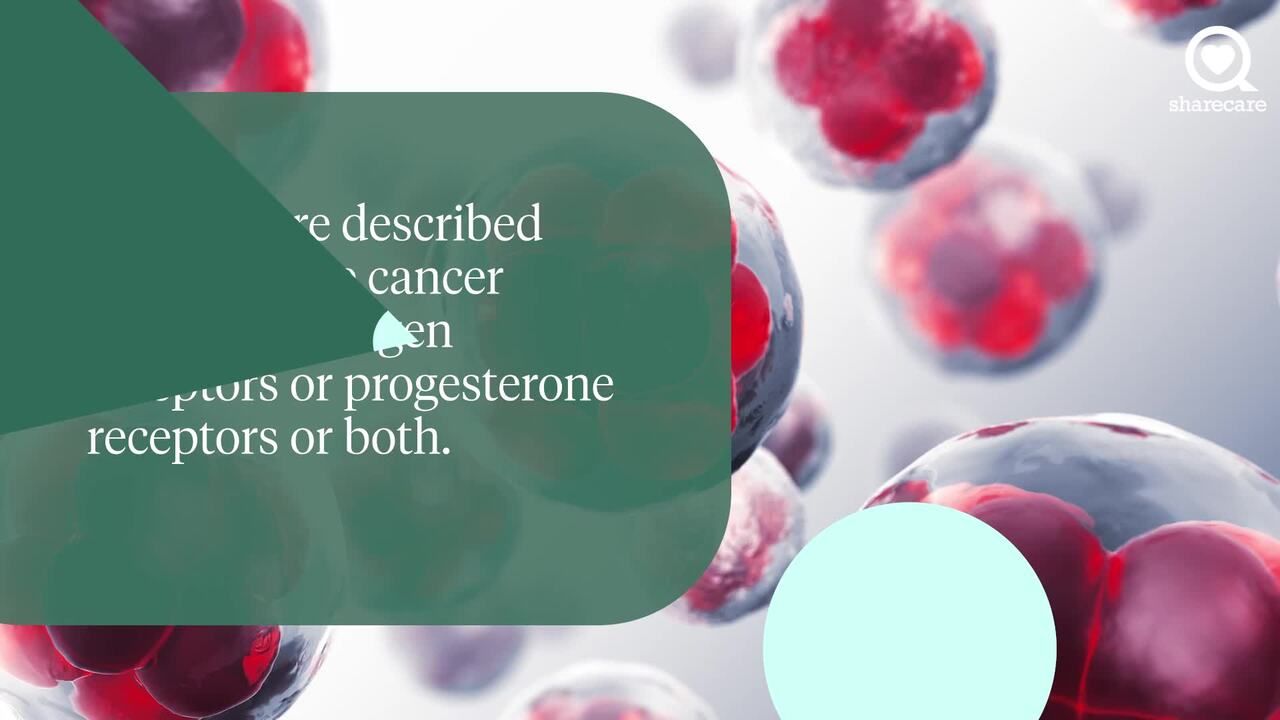
Breast cancer surgeon, Kristi Funk, MD, explains the subtypes of metastatic breast cancer to give a background for understanding the progress that is happening in MBC research.
Cancer is actually an old problem that we can now combat with modern-day solutions. Breast cancer surgeon, Kristi Funk, MD, shares how chemotherapy came about, what we have learned, and what is coming in our approach to treatment.
Treating MBC can be an ongoing process including different treatments.
Strategies to address fatigue should be part of your MBC treatment plan.
Here are three resources to help you avoid financial distress while living with metastatic breast cancer.
A strong social support network while living with metastatic breast cancer can help make the condition less challenging.
It's not an easy conversation to have but that doesn't mean you should avoid telling people about a metastatic breast cancer diagnosis. Here are 4 tips to help guide you.
Four people living with metastatic breast cancer share what it means to be resilient.
Watch Tonya Echols Cole, MD, explain how doctors identify metastatic breast cancer cells to determine where the disease originated as well as discuss how medical professionals view none curable cancers - as a chronic ongoing disease.
Tonya Echols Cole, MD, discusses the options for metastatic breast cancer treatment, like monthly doctor visits, various radiation treatments, and chemotherapy drugs.
Tonya Echols Cole, MD, explain the medical community's shifted cancer staging process. In the case of breast cancer, doctors consider biologic markers as well as cultural, economic and societal factors as staging influencers now.
Doris is a nurse and the Manager of Navigator Services at Emory Decatur Hospital in Atlanta, GA. She is also a breast cancer survivor. Doris talks about her cancer journey and the importance of breast self-exams and mammograms.
Michelle, the program coordinator in the Cancer Care department at Emory Decatur Hospital and a breast cancer survivor, has encouraging words for fighting cancer. She shares her touching and inspirational story.