With proper diagnosis and treatment, the prognosis for early breast cancer is extremely good.
Kristi Funk, MD, leads a discussion on navigating the challenging terrain of talking to children about an early breast cancer diagnosis.
Kristi Funk, MD equips viewers with essential questions to ask their medical team when facing a breast cancer diagnosis.
Kristi Funk, MD shares essential insights and practical advice for individuals wanting to share their breast cancer diagnosis.
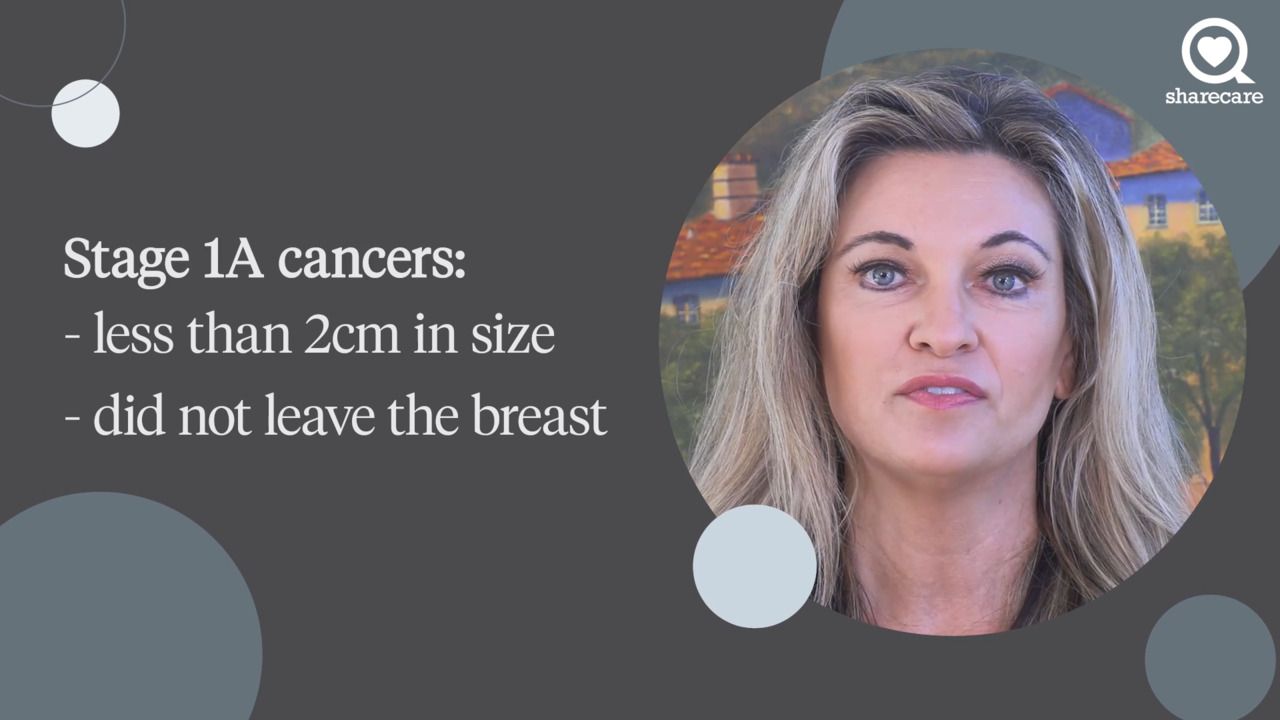
The understanding of the five stages of Early Breast Cancer is a key driver for treatment decisions.
Breast cancer survivor Dr. Alexea Gaffney gives her tips to cope following an early breast cancer diagnosis
Breast cancer survivor Dr. Alexea Gaffney shares how to make the most of your time with your doctor.
Alexea Gaffney, MD, provides her top 5 resources for support following an early breast cancer diagnosis.
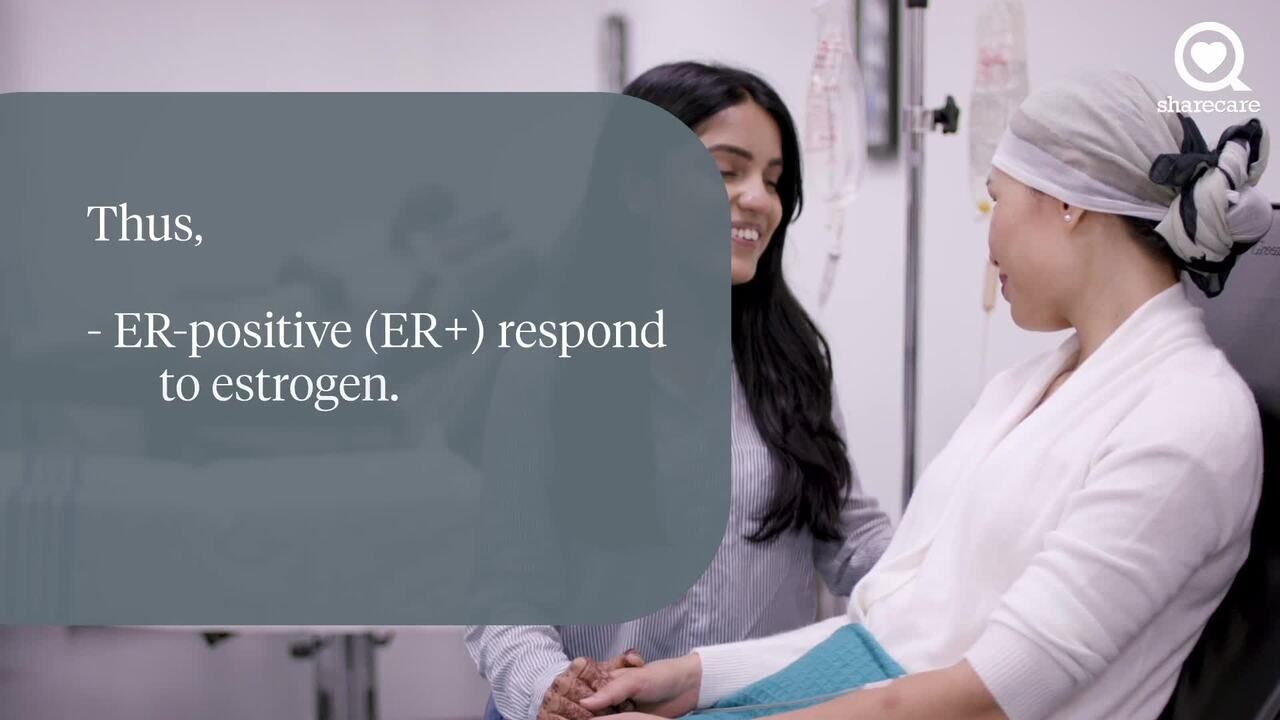
If a breast cancer patient is HR+, it means estrogen and progesterone can cause their cancer cells to grow.
Though breast cancer related deaths have decreased in recent decades, racial disparities are prevalent in the diagnosis and treatment of breast cancer.
Heather was diagnosed with stage 2A breast cancer. Since then she's gone through chemo treatment, radiation and surgery. Despite the tough process, she's hasn't given up hope for a bright future.
HER2-positive breast cancer is considered more aggressive, so it tends to grow faster than other types of breast cancer. Fortunately, treatments for this type of cancer have improved significantly.
When going through diagnosis and treatment for breast cancer it's important to have help and ask for help when you need it. Radiation oncologist and breast cancer survivor Tonya Echols Cole, MD, offers some ways in which people can assist.