

Cancer deaths in the United States have dropped dramatically in recent years. Between 1991 and 2023, the overall death rate from cancer decreased by 34 percent, according to a 2025 report from the American Association for Cancer Research (AACR). That means about 4.5 million deaths have been prevented, the AACR estimates.
Progress against common cancers
While cancer deaths have fallen for a number of reasons, certain national public health initiatives are responsible for a large part of the decline. These include screening programs, prevention efforts, and advancements in treatment, such as the following.
Breast cancer screening
Deaths from breast cancer—the most common cancer in women—dropped more than 44 percent between 1989 and 2022, the AACR reports. That’s largely because routine mammograms have helped to catch cases of breast cancer earlier, when treatment is more effective. Overall, the disease has a 5-year survival rate of over 90 percent. When it’s local—meaning the cancer is located only in breast tissue and hasn’t spread to other parts of the body—the 5-year survival rate is more than 99 percent.
Smoking cessation efforts
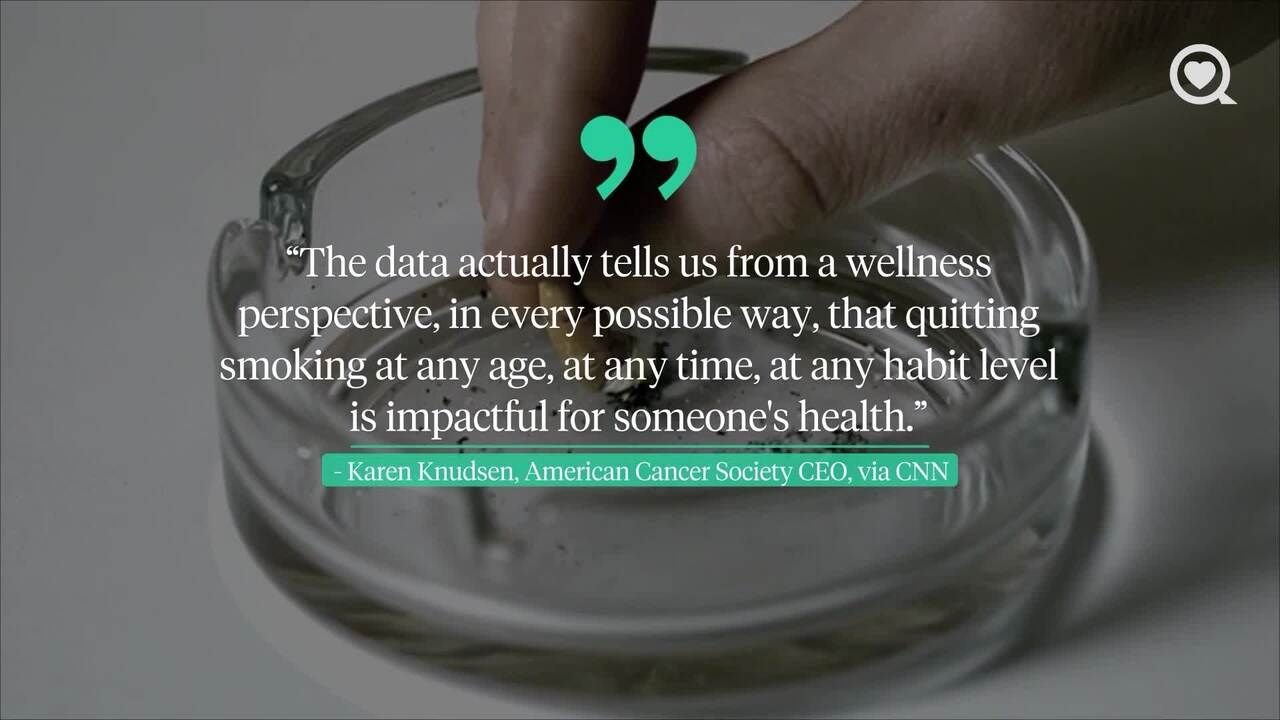
Cigarette smoking is linked to 20 percent of all cancers and approximately 30 percent of all U.S. cancer deaths, according to the American Cancer Society (ACS). But public health campaigns to help curb smoking, combined with advancements in early cancer detection and treatment, have contributed to a drop in the lung cancer death rate. Since 1991, it’s decreased by more than 50 percent.
Rise of precision medicine
Cancer treatment has generally evolved from a one-size-fits-all approach to a more precise, targeted approach. Precision medicine accounts for individual factors—such as a person’s lifestyle, environment, and genes—when devising a path for treatment. Its use has improved survival rates for leukemia (cancer of the blood and bone marrow) and melanoma (the deadliest form of skin cancer), among other types of cancer.
Certain cancer rates on the rise
In the U.S., the rates of several common cancers are relatively stable or are declining. But in recent years, the rates for some cancers have risen overall. These include cancer of the pancreas, liver, and uterus.
Some rates have risen for certain groups, as well. For example, colorectal cancer is generally on the decline in people ages 65 and older. But for people ages 54 and younger, rates have increased about 2 percent annually since 2011, according to the ACS.
Age, genes, environment, and socioeconomic factors all play roles in the development of these cancers. Modifiable lifestyle factors contribute, as well. In fact, about 40 percent of cancer cases are influenced by habits a person has at least some control over, including diet, physical activity, alcohol intake, smoking, and weight.
For example, more than 40 percent of U.S. adults are obese, and obesity is a risk factor for more than a dozen types of cancer, including pancreatic, liver, uterine, and colorectal cancer.
Prevention and early detection are vital
Despite the tremendous progress made in cancer prevention and care over time, it remains the second-leading cause of death in the U.S., second only to heart disease. Each year, more than 2 million people are diagnosed and 600,000 people die of the disease.
Fortunately, there are several ways you can be proactive and help reduce your risk for certain forms of cancer. These include the following.
Know your individual risk factors
Anyone can develop cancer, but several factors increase the risk. Age is perhaps one of the most influential. In the U.S., people ages 50 years and older account for nearly 9 in 10 cancer diagnoses.
But if you’re young, it doesn’t mean you’re risk-free. Recent years have shown a shift toward earlier age at cancer diagnosis for people born after 1950. So, a young person who is having persistent symptoms—especially if they have a family history of cancer—should get screened.
Race and ethnicity also influence risk for certain cancers. For example, Black people—who often face barriers to care—have a higher overall rate of death from cancers compared to white people.
Speak to a physician or other healthcare provider (HCP) about your risk factors early on—those you can and can’t control. An HCP can recommend prevention strategies, including screening. Speaking of…
Get screened
Certain cancers may be detected early on when treatments are often more successful. Screening tests are recommended for breast, cervical, colorectal, and lung cancers. There are also screening tests available to detect prostate cancer, but the risks and benefits of these tests are less clear.
Weigh the risks and benefits of cancer screenings with your HCP. Together, you can determine when and how often you should be screened for certain forms of cancer based on your values, age, health preferences, and individual risk for the disease.
Some HCPs perform skin examinations to screen for skin cancer during routine checkups, but it’s important to perform regular self-checks.
Adopt healthy habits
Since smoking is responsible for about 1 in 5 cancer diagnoses, quitting or not using tobacco can make a major difference in your risk. So can exercising regularly, limiting your alcohol intake (or not drinking at all), and maintaining a healthy weight.
For prevention, experts also recommend:
- Limiting the amount of red and processed meats you consume
- Opting for whole grains instead of refined grains
- Eating at least 2 1/2 to 3 cups of vegetables and 1 1/2 to 2 cups of fruit each day
Prevent and treat infections
Cancers caused by viruses, including the human papillomavirus (HPV), hepatitis B virus (HBV), and hepatitis C virus (HCV)—as well as bacteria, including Helicobacter pylori (H. pylori)—could also be prevented through vaccination or by avoiding or treating these infections.
Wear sunscreen
Most basal and squamous cell skin cancers are caused by exposure to UV radiation. They’re often found on parts of the body that are most exposed to the sun. While a person’s risk of developing melanoma is linked to genetic and personal characteristics, UV exposure has also been shown to increase risk.
ACS estimates that millions of skin cancers diagnosed each year could be prevented if people routinely applied sunscreen and avoided indoor tanning. For the prevention of skin cancer, the American Academy of Dermatology recommends using broad-spectrum sunscreen with a sun protection factor (SPF) of at least 30 and reapplying every two hours or after swimming or sweating.
Sources: American Association for Cancer Research... + 12
- American Association for Cancer Research. AACR Cancer Progress Report 2025. September 17, 2025.
- American Cancer Society. Survival Rates for Breast Cancer. January 13, 2026.
- American Cancer Society. Health Risks of Smoking Tobacco. November 19, 2024.
- Surveillance, Epidemiology, and End Results Program. Cancer Stat Facts: Lung and Bronchus Cancer. Accessed July 17, 2026.
- National Cancer Institute. Breast Cancer Prognosis and Survival Rates. December 2, 2025.
- MedlinePlus. What Is Precision Medicine? May 17, 2022.
- American Cancer Society. Colorectal Cancer Facts & Figures 2023-2025. Accessed July 17, 2026.
- American Cancer Society. Cancer Facts & Figures 2025. 2025.
- American Cancer Society. Cancer Facts & Figures 2024. 2024.
- American Cancer Society. Cancer Facts & Figures 2026. 2026.
- American Cancer Society. American Cancer Society Guideline for Diet and Physical Activity for Cancer Prevention. October 20, 2025.
- American Cancer Society. UV (Ultraviolet) Radiation and Cancer Risk. June 26, 2024.
- American Academy of Dermatology Association. How to Apply Sunscreen. August 15, 2025.