Looks like science has found another reason for guys to slather on the sunscreen—according to a study, young men are 55 percent more likely to die from a melanoma diagnosis than women.
Researchers looked at data from more than 26,000 white patients, aged 15 to 39, who were diagnosed with melanoma between 1989 and 2009. The patients were followed for about seven and a half years, and nearly 1600 died in that time. The result: Although only 40 percent of the skin cancer patients were men, they accounted for 63 percent of the melanoma-related deaths.
Other stats confirm the study’s findings. Men are about twice as likely as women to develop any kind of skin cancer, according to the Skin Cancer Foundation. And men over 50 have double the risk of dying of melanoma, compared to women.
Is biology to blame, or behavior?
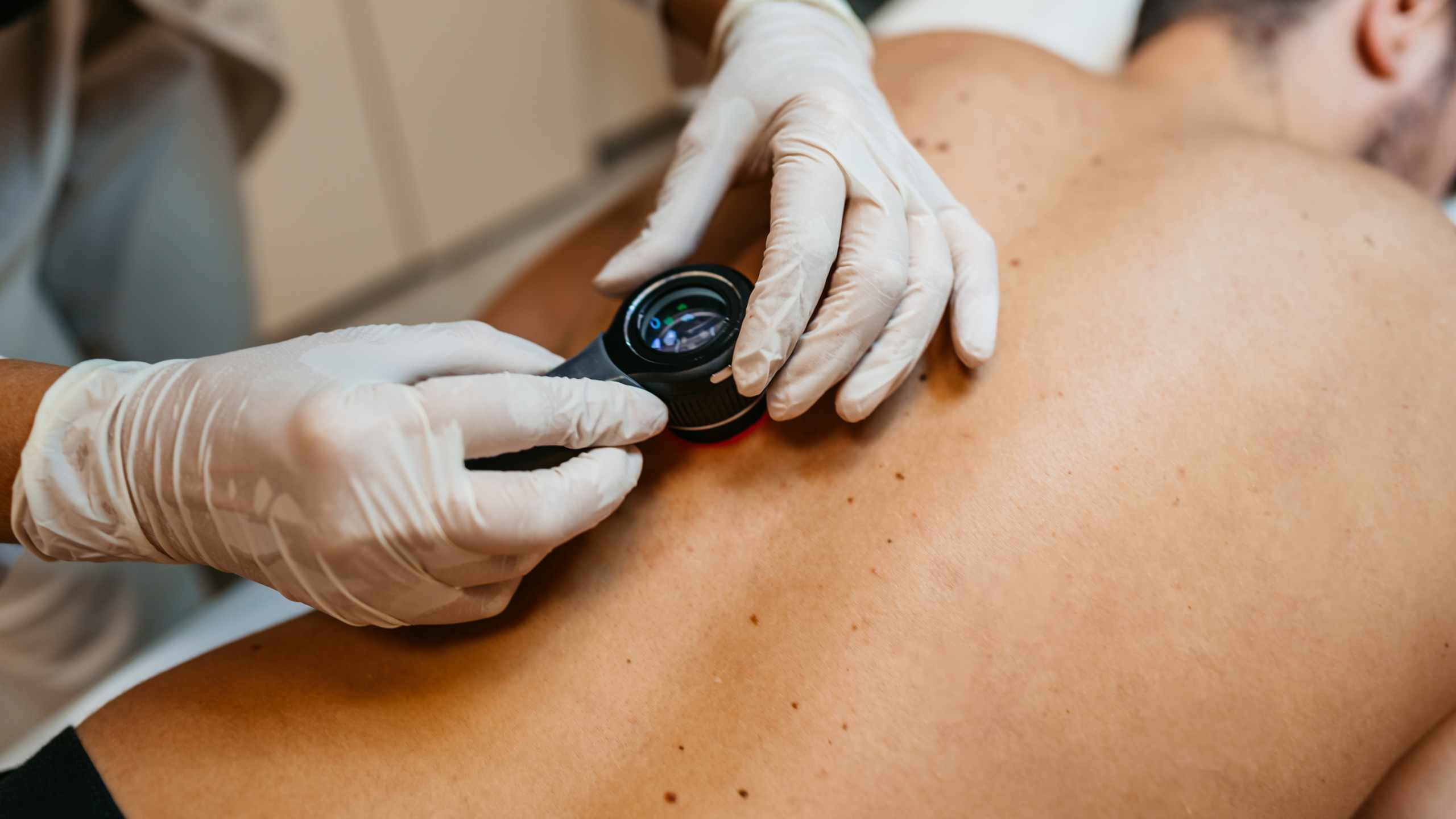
The authors of the study say more research is needed to find out if the disparity has a biological basis. Some experts have theorized that women’s stronger immune systems protect them from skin cancer. But skin cancer risk is more closely tied to what type of skin you have, as well as how proactive you are about protecting yourself – and men just aren’t as good at taking care of themselves as women. Sorry to break it to you, guys, but it’s true: Men make half as many visits to their doctors for preventive care. So when a man develops a melanoma, it tends to be diagnosed at a later stage, when it’s more dangerous.
Another contributing factor: Skipping the sunscreen
Some men believe that they don’t need to wear sunscreen as much as women. In fact, according to the American Academy of Dermatology, only 5 percent of men even apply sunscreen daily. Men need skin protection just as much as women, however, and should be using sunscreen with an SPF of 30 or higher every day, even in the winter months.
Here are some other ways to protect your skin:
- Load up on foods with sun-protective properties. Foods like tomatoes, watermelons, carrots and pumpkins contain carotenoids that fight free radical damage to the skin.
- Don't skip out on that morning cup of joe. The caffeine in coffee has been shown to protect against certain types of skin cancer.
- Keep calm. Chronic, long-term stress has been shown to interfere with healthy skin function.
Guys, the takeaway from all this is to be more proactive in managing your own health. Keep the doctor’s appointments your partner reminds you to make. Be aware of your body and listen to what it’s telling you, even when you think it’s something small. According to science, it could mean the difference between life and death.