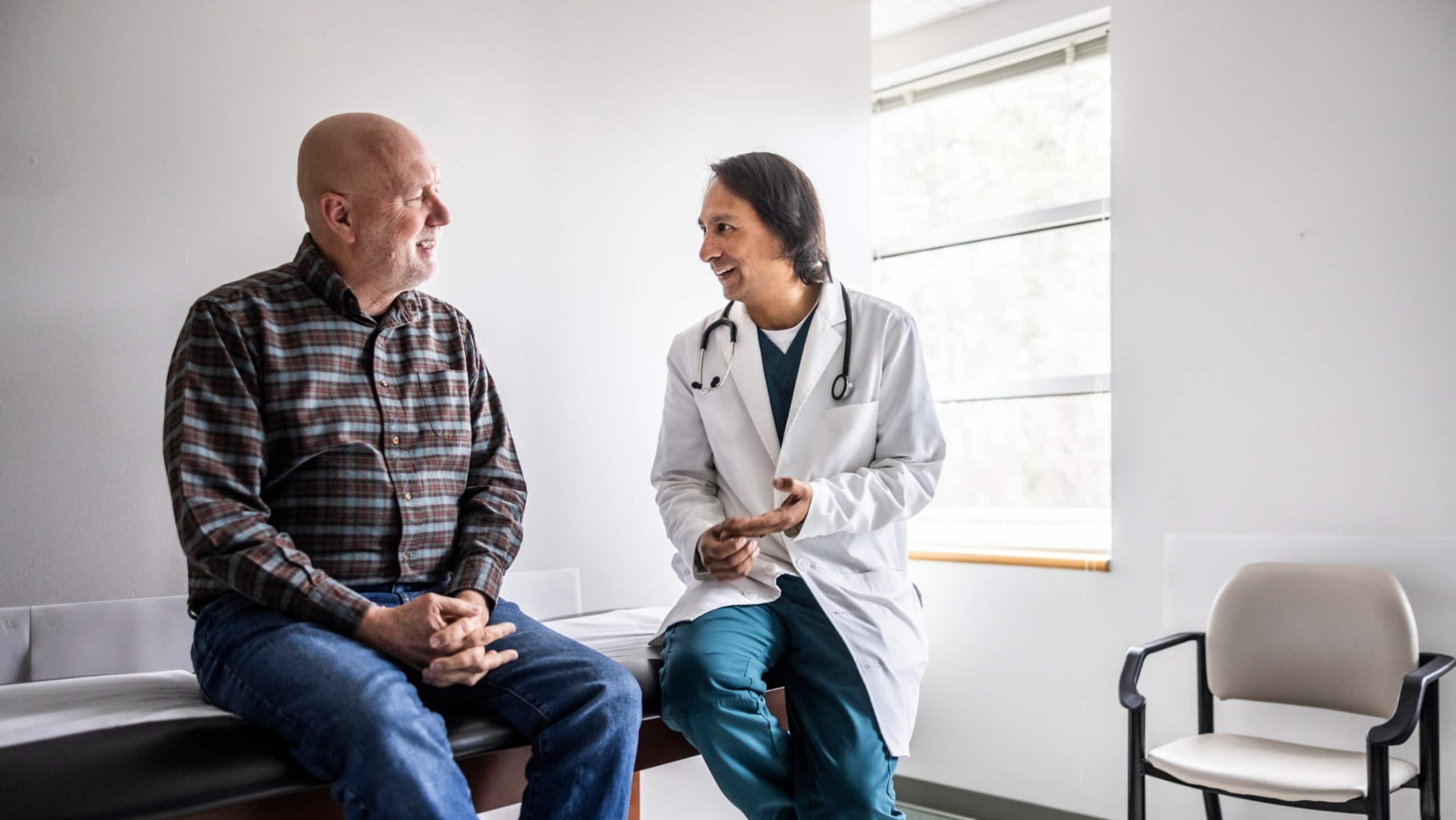
At some point during the treatment of metastatic melanoma, you may consider getting a second opinion. In cancer treatment, a second opinion is when you consult with a healthcare provider outside of your current healthcare team.
This second provider will review your diagnosis, test results, treatment, and give their own opinion on the next steps. This opinion may align with what your current healthcare team recommends, or it may offer a different recommendation.
Metastatic melanoma requires individualized treatment
Metastatic melanoma is a type of skin cancer that began in one location on the body and spread to other locations. Common sites for metastasis include other areas of the skin, lymph nodes, bones, and organs like the lungs, liver, and brain. The size and location of tumors is an important consideration when planning treatment.
Recommendations will also depend on what is occurring in the tumors at the cellular level, such as gene mutations that determine how the cancer is growing, how aggressively, and also what treatments (like targeted therapies or immunotherapies) that it might respond to. Biopsies provide important information for guiding treatment.
Recommendations can also vary between initial treatment, treating cancer that is not responding to treatment, and treating cancer that has returned. Despite advances in these therapies, relapses and treatment resistance remain significant challenges in treating metastatic melanoma.
As with any cancer, you and your healthcare team will need to consider your age, overall health, medical history, and tolerance for side effects.
Treatment often includes a combination of different therapies. Surgery, radiation, various immunotherapies, targeted therapy drugs, and chemotherapy are all used in the treatment of metastatic melanoma.
Because of the complex nature of this cancer, a second opinion can be valuable for several reasons.
Reasons to seek a second opinion
If you or a loved one has been diagnosed with metastatic melanoma, here are some reasons you may consider seeking a second opinion:
- There are unanswered questions about your diagnosis or what stage the melanoma has reached.
- You want a different perspective on your diagnosis and treatment options.
- You want to consult healthcare providers who have more experience treating metastatic melanoma, such as a cancer center that offers a wider range of therapies or clinical trials.
- Your cancer isn’t responding to treatment or has relapsed, and you want to better understand why this may have occurred and what treatment options might be effective.
- You are having a difficult time communicating with your current healthcare team.
- You feel that your concerns about the melanoma are not being taken seriously.
- Your friends and loved ones think that seeking a second opinion is a good idea.
How to seek a second opinion
If you've decided to seek a second opinion, here are some steps to help you get started:
- Talk to your current healthcare team and tell them you would like a second opinion. Explain your reasons and ask if they can supply a referral or recommendation.
- Don't be concerned about upsetting or offending your current healthcare team. Second opinions are common, and something most healthcare providers are familiar with.
- If you're not comfortable speaking with your providers directly, consider talking to an oncology social worker, who can help you navigate the process.
- Contact your insurance provider. Some health plans require a second opinion before they'll cover certain treatments. It always helps to know your policy's requirements for a second opinion before scheduling an appointment.
- Local medical centers, support groups for people with metastatic melanoma, and patient advocacy groups are other places where you can source a recommendation for specialists.
- Gather copies of test results, pathology reports, imaging, current medications/treatments, and any treatments you’ve been prescribed in the past. A second opinion typically starts with a review of this information. Your current healthcare team can help you gather this information.
- Prepare a list of questions and topics you want to discuss, including your reasons for seeking a second opinion. Consider bringing a trusted friend or loved one to your appointment, someone who can take notes and offer emotional support.
After you receive a second opinion, review the new information with your current healthcare team. You can also ask if your healthcare team will talk to the provider who gave the second opinion. Going forward, you may continue to work with your current healthcare team or switch to working with a different healthcare team.
Like many aspects of cancer, everyone’s experience is different, and the decision about what healthcare team to work with is ultimately up to you.
Sources: NCI Dictionary of Cancer Terms. Second o... + 9
- NCI Dictionary of Cancer Terms. Second opinion. Accessed August 4, 2026.
- NYU Langone NewsHub. Take Control of Your Healthcare with a Second Opinion. February 1, 2023.
- Penn Medicine. Metastatic Melanoma. Accessed August 4, 2026.
- Srinath Sundararajan, Aye M. Thida, et al. Metastatic Melanoma. StatPearls. February 17, 2024.
- American Cancer Society. Tests for Melanoma Skin Cancer. October 27, 2023.
- American Cancer Society. Treatment of Melanoma Skin Cancer, by Stage. August 7, 2026.
- University of Rochester Medicine Health Encyclopedia. The Value of a Second Opinion. Accessed August 4, 2026.
- Angie Murad. Tips for seeking a second opinion. Mayo Clinic Connect. February 24, 2025.
- Molly Adams. 6 ways a social work counselor can help during cancer treatment. Cancer UT MD Anderson. February 16, 2022.
- MedlinePlus. Your cancer diagnosis – Do you need a second opinion? January 29, 2026.