To make the most of treatment for prostate cancer, you need to follow your treatment plan as directed and work closely with your healthcare team.
Treatment for prostate cancer can take a toll on your body and your mental health. Here we look at some steps and strategies that can help you feel better and maintain a good quality of life during and after treatment.
Maintain a healthy diet
While there is no definitive study regarding the relationship between food and cancer, nutrition has a direct impact on your overall health, and it may impact your recovery. It is important to discuss the foods you eat with your healthcare provider. You may want to begin by considering the following changes or additions:
- Increase your plant intake. Foods that are high in fiber—such as vegetables, fruits, beans, legumes, and nuts—may improve cardiovascular health and improve bowel function (two aspects of health men with prostate cancer should pay attention to). Aim for a minimum of 2.5 cups of fruits and vegetables a day.
- Avoid high-fat foods (such as red meat, processed meat and dairy products).
- Limit or avoid added sugars.
- Include more whole grains in your diet (quinoa, oatmeal, and brown rice are good examples).
- Limit or avoid alcoholic beverages.
- Drink a sufficient amount of water.
Get regular physical exercise
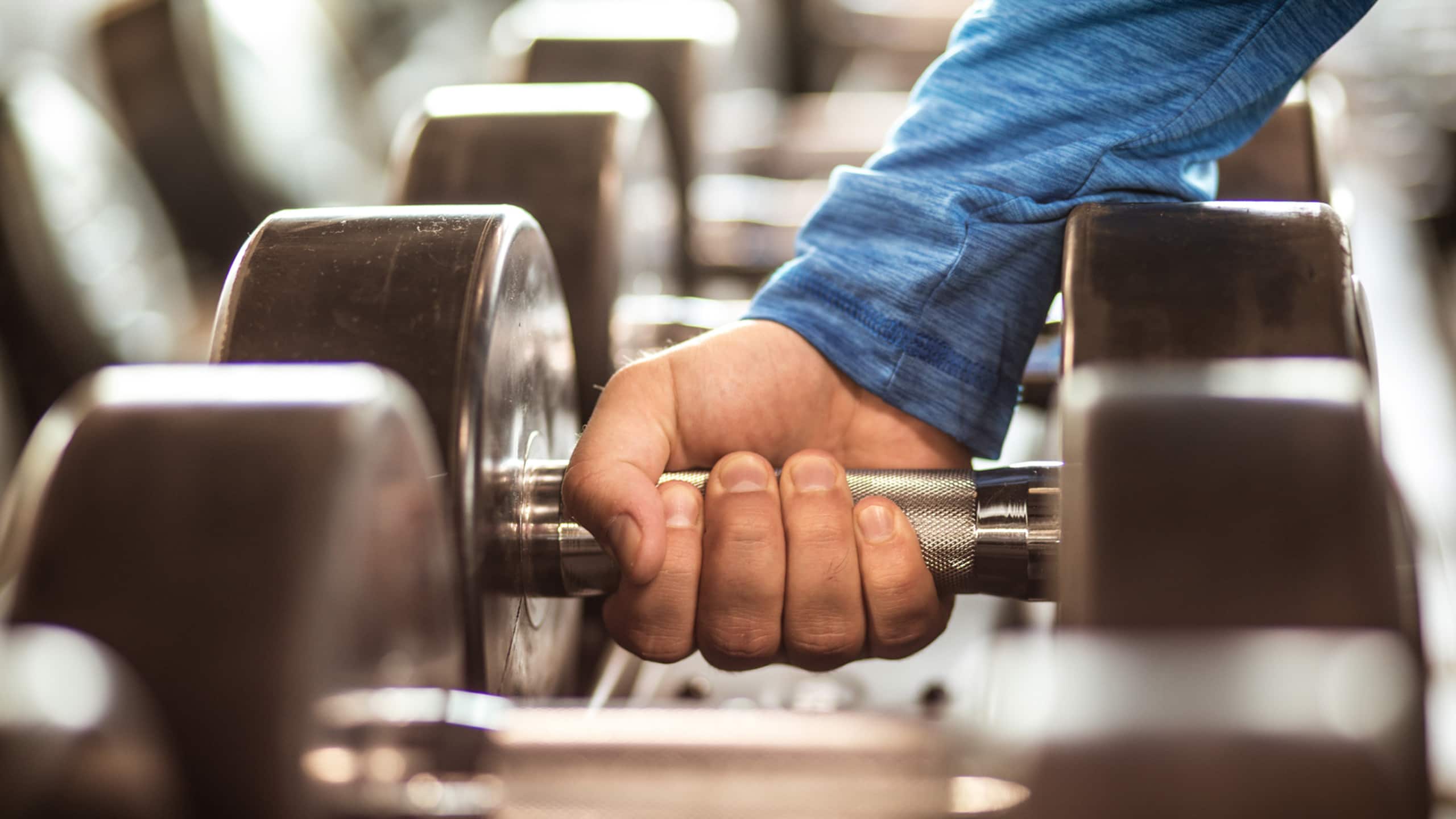
Studies have shown that exercising after cancer treatment has an overall positive effect on patients. The type and duration of exercise will be different for each person, but any activity can help. Here are some of the ways exercise can have a positive impact:
- Improving physical function
- Decreasing fatigue/improving energy levels
- Maintaining a healthy weight
- Increasing blood flow
- Improving cardiovascular health
- Decreasing stress and anxiety
If you smoke, quit
Smoking is associated with more aggressive prostate cancer. Men who quit smoking after being diagnosed with prostate cancer have better outcomes than men who continue to smoke. Also avoid secondhand smoke.
Kegel exercises
Pelvic floor muscles support your bladder and help control urine flow, and these muscles may be weakened during prostate cancer treatment. You can find your pelvic floor muscles by stopping your flow of urination. To complete the exercise:
- Empty your bladder completely
- Tighten those muscles for 3 to 5 seconds
- Relax for 3 to 5 seconds
- Breathe normally
- Repeat 5 to 7 times in a row
- Do these exercises 3 times daily
- As your muscle strength increases, increase the duration
Work with your healthcare team
Along with these changes, once your treatment is complete, be sure to follow up with your healthcare provider on a regular basis. Side effects might last beyond treatment or show up long after treatment has been completed. Further visits and tests may be required after treatment, although frequency will depend on the stage of the cancer and the chances of recurrence.
Sources: UCSF Helen Diller Family Comprehensive C... + 16
- UCSF Helen Diller Family Comprehensive Cancer Center. "Health and Wellness: Living with Prostate Cancer."
- MedlinePlus. "Diet and cancer."
- Pao-Hwa Lin, William Aronson and Stephen J Freedland. "Nutrition, dietary interventions and prostate cancer: the latest evidence." BMC Medicine, 2015. Vol. 13, No. 3.
- National Comprehensive Cancer Network. "Nutrition for Cancer Survivors."
- David P. Labbe, Giorgia Zadra, et al. "High-fat diet fuels prostate cancer progression by rewiring the metabolome and amplifying the MYC program." Nature Communications, 2019. Vol. 10.
- E. H. Allott, L. Arab, et al. "Saturated fat intake and prostate cancer aggressiveness: results from the population-based North Carolina-Louisiana Prostate Cancer Project." Prostate Cancer and Prostatic Diseases, 2016. Vol. 20.
- Cheryl L. Rock, Cynthia Thomson, et al. "American Cancer Society guideline for diet and physical activity for cancer prevention." CA: A Cancer Journal Clinicians, 2020. Vol. 70, No. 4.
- Cheryl L. Rock, Colleen Doyle, et al. "Nutrition and physical activity guidelines for cancer survivors." CA: A Cancer Journal for Clinicians, 2012. Vol. 62, No. 4.
- Robert U. Newton, Stacey A. Kenfield, et al. "Intense Exercise for Survival among Men with Metastatic Castrate-Resistant Prostate Cancer (INTERVAL-GAP4): a multicentre, randomised, controlled phase III study protocol." BMJ Open, 2018. Vol. 8, No. 5.
- Johns Hopkins Medicine. "Men Who Quit Smoking Are Less Likely to Die of Prostate Cancer."
- Lora A. Plaskon, David F. Penson, Thomas L. Vaughan and Janet L. Stanford. "Cigarette Smoking and Risk of Prostate Cancer in Middle-Aged Men." Cancer Epidemiology, Biomarkers & Prevention, 2003. Vol. 12, No. 7.
- Michael Huncharek, K. Sue Haddock, Rodney Reid and Bruce Kupelnick. "Smoking as a Risk Factor for Prostate Cancer: A Meta-Analysis of 24 Prospective Cohort Studies." American Public Health Association, 2010. Vol. 100, No. 4.
- ProstateCancer.net. "Why and When to Start Kegels?"
- University of California Irvine Department of Urology. "Male Kegel Exercises after Surgery."
- MedlinePlus. "Kegel exercises - self-care."
- UCLA Health. "Kegel Exercises for Men."
- American Cancer Society. "Living as a Prostate Cancer Survivor."