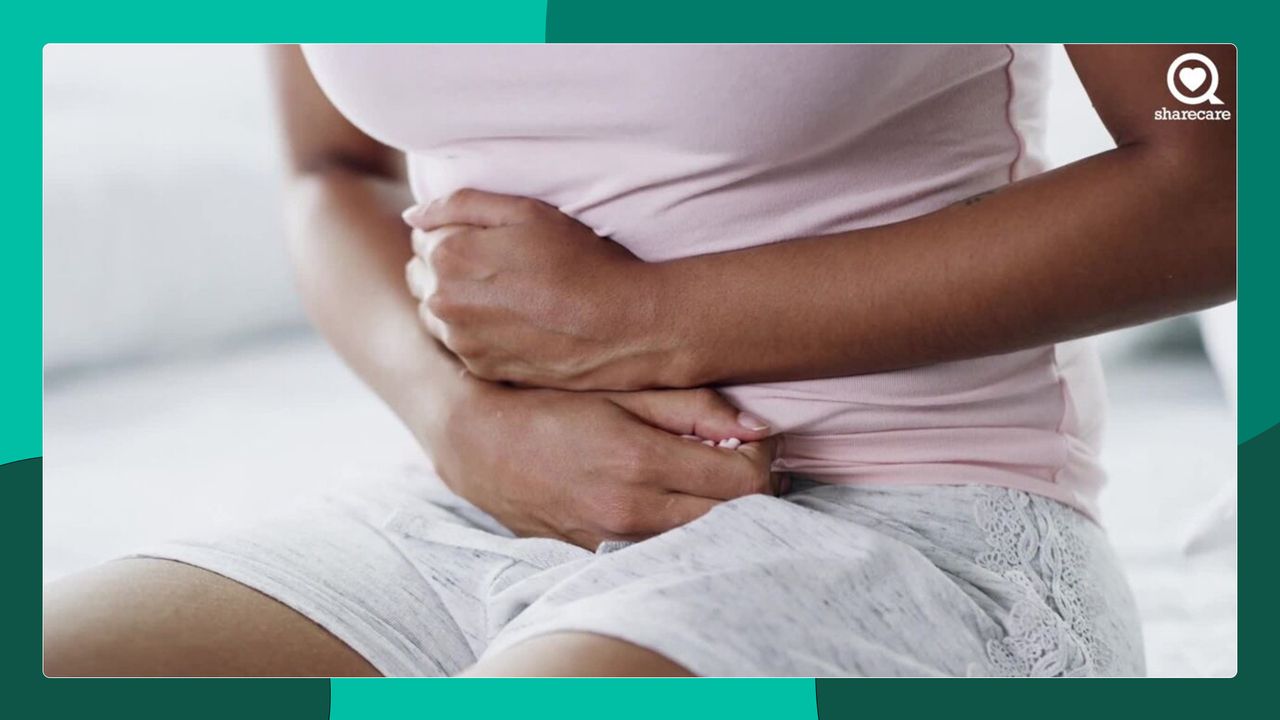
Crohn’s disease is an autoimmune disorder that occurs when the immune system, which usually fights infection, attacks the lining of the digestive tract, causing it to bleed and develop ulcers.
“Crohn’s disease is typically disruptive to people’s lives,” says Ernest DiGiovanni, DO, a gastroenterologist in Bay Pines, Florida. “It’s usually classified as mild-to-moderate or moderate-to-severe. A person can have excruciating pain or so many bowel movements a day that they can’t leave the house. It can be disruptive for sure.”
Causes and symptoms of Crohn’s disease
What causes Crohn’s disease is unknown. “It may be genetic,” says Dr. DiGiovanni. “Researchers have found some genes that are potentially associated with the condition, and between 15 and 20 percent of people with Crohn’s have a relative with Crohn’s.”
Infection, such as a viral or bacterial illness, or exposure to another environmental trigger could cause those with a genetically higher risk for Crohn’s to develop the condition.
Common symptoms of Crohn’s disease include abdominal pain, diarrhea, weight loss, and fatigue. Depending on the parts of the body affected by Crohn’s, other symptoms could include:
- Mouth sores
- Eye inflammation
- Problems of the anus, including tears, ulcers, fistulas, infection and narrowing
People with Crohn’s may also have joint inflammation or arthritis, particularly in their larger joints, which tends to worsen during flare-ups.
Crohn’s disease vs. ulcerative colitis
Crohn’s disease and ulcerative colitis are the two main types of inflammatory bowel disease (IBD). They are similar but different, DiGiovanni says. “The main difference is what part of the body each affects,” he explains. “Both affect the colon, but ulcerative colitis always affects the rectum—the most bottom part of the colon—and extends upward. In Crohn’s, the most commonly affected area is in the last part of the small intestine, but it can affect anywhere in the gastrointestinal tract, including the stomach and even the mouth.”
Keep in mind, IBD should not be confused with irritable bowel syndrome (IBS). “IBS is a syndrome of exclusion commonly characterized by alternating constipation and diarrhea,” says DiGiovanni. IBS can be diagnosed based on its symptoms and when other likely diagnoses are ruled out.
More than 4 million people in the United States have IBD. Ulcerative colitis is slightly more common overall and is more common in women than men. Crohn’s disease tends to affect men and women about equally.
Treatment options
There is no cure for Crohn’s disease, but there are many treatment options. The drugs used to help manage the condition include corticosteroids, immunotherapy drugs, and biologics. They aim to reduce inflammation but can have side effects. Some healthcare providers (HCP) will start a patient with the strongest drugs (the top-down approach), while others will save those drugs until after other treatments have failed (the step-up approach).
If medication doesn’t help treat your condition, the next option is surgery. One surgical option is removing part of the colon and then reattaching the two ends. If this isn’t possible, a surgeon can make an opening in the abdomen, through which waste will exit the body and be collected in an ostomy bag. Another type of surgery opens blockages in the bowel called strictures.
Reducing the risk of flare-ups
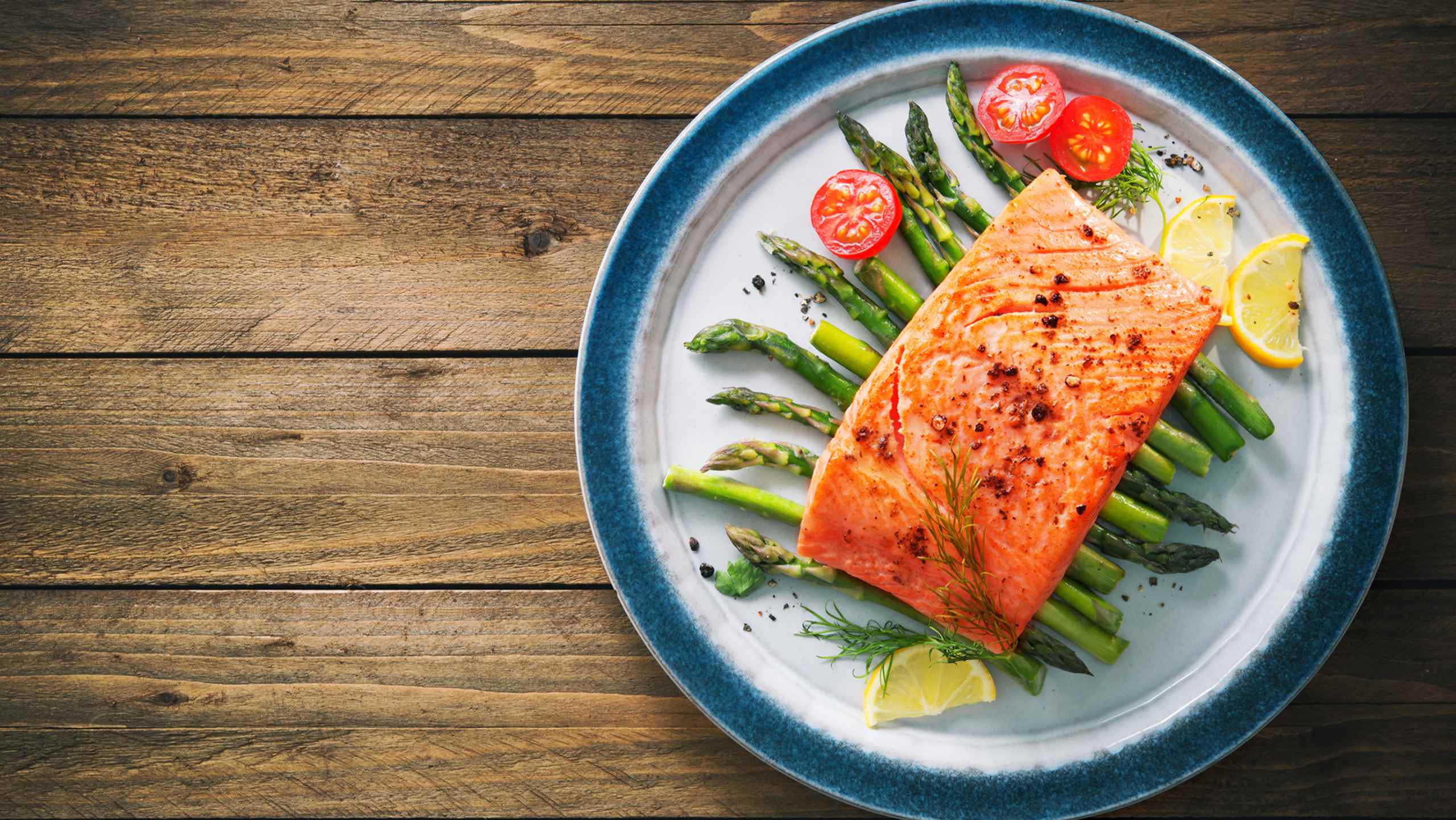
There may be certain foods, called triggers, that worsen your symptoms during a Crohn's disease flare-up. They differ from person to person, but common triggers include caffeine, alcohol, ultra-processed items, and foods high in fiber or fat. Try to avoid or limit trigger foods in your diet.
Many people with Crohn’s have vitamin deficiencies because the intestines don’t absorb nutrients as efficiently as in people without Crohn’s, notes DiGiovanni. So, it’s important to ensure that you’re getting adequate nutrition. Be sure to work with your HCP or a dietitian who specializes in IBD to develop a personalized eating plan.
It’s also essential to avoid or quit smoking. Smoking increases the risk of developing Crohn’s and may make the condition more severe. “Smoking has been shown to be very detrimental,” DiGiovanni says. “The first thing you need to do is stop smoking.” Talk to an HCP about methods that might be most effective for you.
Sources: MedlinePlus. Crohn's Disease. October 18... + 14
- MedlinePlus. Crohn's Disease. October 18, 2023.
- Tian C, Ranasinghe IR, Hsu R. Crohn Disease. 2025 Dec 1. In: StatPearls [Internet]. Treasure Island (FL): StatPearls Publishing; 2025 Jan–.
- American College of Gastroenterology. ACG Guideline Highlights: Management of Crohn's Disease in Adults. June 3, 2025.
- Merck Manual Professional Version. Crohn Disease. October 2026.
- National Institute of Diabetes and Digestive and Kidney Diseases. Crohn's Disease. July 2024.
- Merck Manual Professional Version. Overview of Inflammatory Bowel Disease. April 2026.
- Mayo Clinic. Crohn's Disease. September 16, 2026.
- Mayo Clinic. Ulcerative Colitis. June 6, 2026.
- Centers for Disease Control and Prevention. IBD Facts and Stats. June 21, 2024.
- Crohn's & Colitis Foundation. Overview of Crohn's Disease. Accessed November 4, 2026.
- American College of Gastroenterology. Updated 2025 ACG Clinical Guideline for the Management of Crohn's Disease. September 2025.
- National Institute of Diabetes and Digestive and Kidney Diseases. Definition & Facts for Ostomy Surgery of the Bowel. 2021.
- Mayo Clinic. Crohn's Disease Surgery. September 1, 2026.
- Crohn's & Colitis Foundation. What Should I Eat with IBD? Accessed November 4, 2026.
- American Gastroenterological Association. Diet and Nutritional Therapies in Patients With IBD. January 23, 2024.