

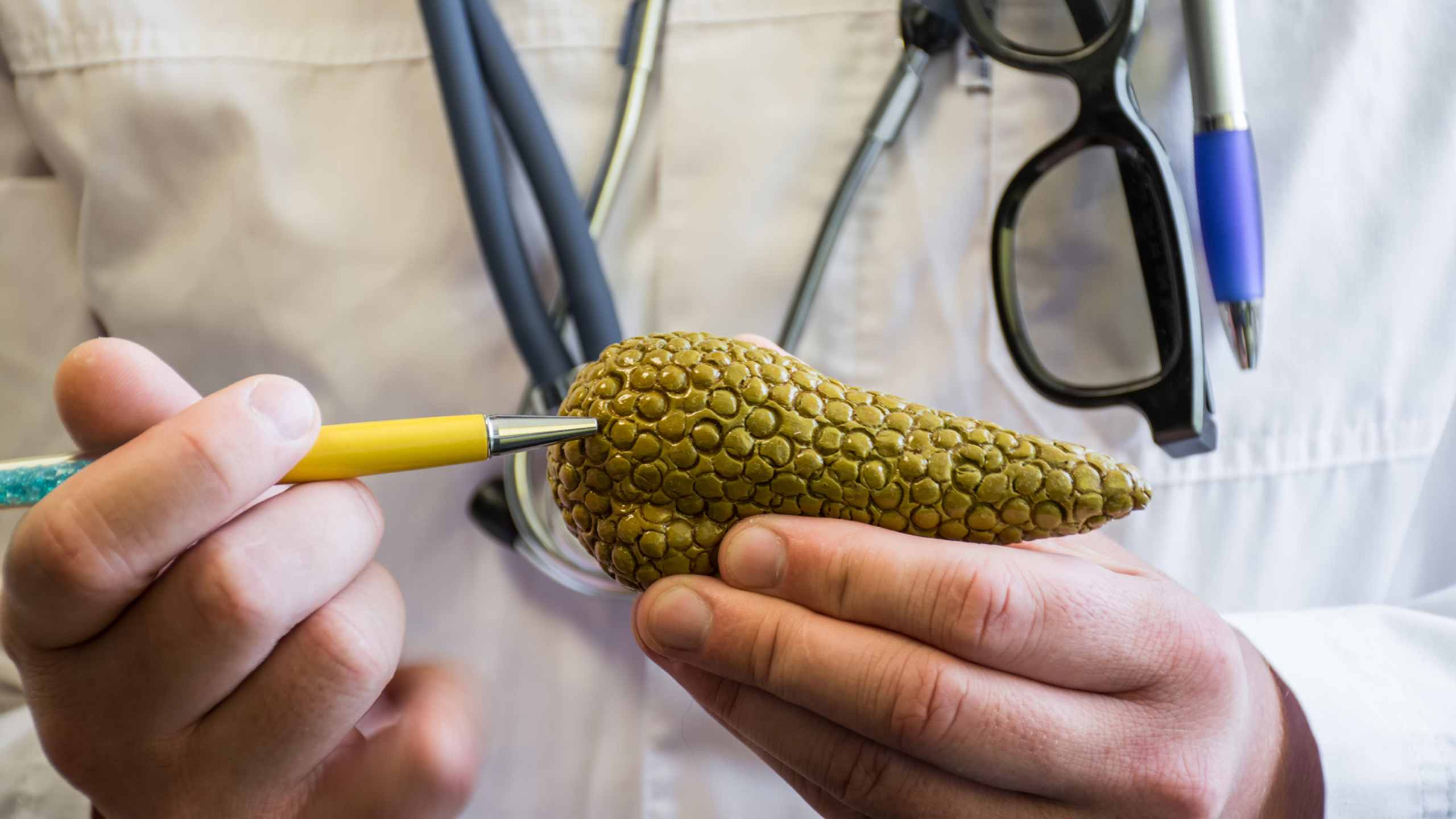
Exocrine pancreatic insufficiency (EPI) is a condition where the pancreas is unable to produce digestive enzymes. As a result, people with EPI are unable to fully digest food.
The primary symptoms of EPI are often similar to other gastrointestinal disorders. These symptoms may include stomach pain, gas, bloating, constipation, diarrhea, and fatty stools.
People with EPI may also lose weight without trying. Some become malnourished. This occurs because the body is unable to properly absorb nutrients.
There are several conditions and disorders linked to EPI, including the following.
Chronic pancreatitis
Chronic pancreatitis is continuous pancreatic inflammation that doesn’t improve as time passes. The most common cause is long-term alcohol abuse. It can also be caused by recurring acute pancreatitis, certain autoimmune conditions, genetic conditions such as cystic fibrosis, and certain vitamin deficiencies. People are typically diagnosed with chronic pancreatitis between the ages of 35 and 40.
Chronic pancreatitis can cause other health complications such as the hardening of pancreatic tissue, chronic pain, diabetes, gallstones, metabolic bone disease, and kidney failure. It is also a risk factor for pancreatic cancer.
Cystic fibrosis
Cystic fibrosis is a genetic disorder that presents at birth and progresses over time. When a person has cystic fibrosis, the cells that create mucus and digestive juices do not function normally. As a result, the body produces mucus that is thick and sticky—which results in clogged tubes and passageways throughout the body.
Cystic fibrosis can cause a wide range of symptoms, including a persistent cough that produces mucus, gastrointestinal issues, jaundice, chronic pain, delayed physical growth, clubbed fingers and toes, and fevers.
Cystic fibrosis can also result in many complications such as diabetes, liver disease, heart conditions, urinary incontinence, kidney problems, and malnutrition.
Diabetes, pancreatic cancer, and other conditions
While chronic pancreatitis is the most common cause of EPI, and EPI is common among people with cystic fibrosis, these are not the only conditions associated with EPI. Many different health conditions affect the pancreas, and some have been linked to EPI. These include:
Diabetes
Insulin is a hormone that is produced in the pancreas and needed to regulate blood glucose levels (blood sugar). Diabetes is a condition where the body does not make enough insulin or is unable to use the insulin it does make. EPI is common among people with diabetes.
Pancreatic cancer
This refers to cancer that originates in the pancreas. The most common form of pancreatic cancer begins with an uncontrolled growth of the cells that make up the glands that produce digestive enzymes.
Irritable bowel syndrome (IBS)
IBS is a gastrointestinal disorder that causes stomach pain, diarrhea, and constipation. While a specific cause is still unknown, it may be due to irregular movement in the digestive system, extra sensitive nerves, or a miscommunication between the brain and gut.
Inflammatory bowel disease (IBD)
This includes Crohn’s disease and ulcerative colitis, conditions that cause recurring inflammation in the gastrointestinal tract. IBD is often painful and can cause a number of GI problems.
Surgery
Surgeries on the organs of the digestive system can affect how the pancreas breaks down food and can be related to EPI. One example is bariatric surgery (weight-loss surgery).
Small intestinal bacterial overgrowth (SIBO)
This condition occurs when there is too much bacteria in the small intestine. It is often caused by surgery or another disease. Pain, bloating, diarrhea, and unwanted weight loss are common symptoms.
Getting an accurate diagnosis
The symptoms of EPI are common and overlap with many other health conditions and disorders. It’s important to work closely with a healthcare provider to get a proper diagnosis and appropriate treatment. Left untreated, EPI can cause serious complications.
EPI is treated with pancreatic exocrine replacement therapy (PERT), medications taken with food that replace the enzymes that are not being produced by the pancreas. Treatment also involves addressing the underlying conditions that are causing EPI or coexist alongside EPI.
Sources: Cleveland Clinic. Exocrine Pancreatic In... + 20
- Cleveland Clinic. Exocrine Pancreatic Insufficiency (EPI). June 10, 2021.
- National Institute of Diabetes and Digestive and Kidney Diseases. Definition & Facts for Exocrine Pancreatic Insufficiency. January 2023.
- The National Pancreas Foundation. Exocrine Pancreatic Insufficiency (EPI). Accessed May 21, 2026.
- The National Pancreas Foundation. About Chronic Pancreatitis. Accessed May 21, 2026.
- Goosenberg E, Lappin SL. Chronic Pancreatitis. 2025 Apr 4. In: StatPearls [Internet]. Treasure Island (FL): StatPearls Publishing; 2026 Jan–.
- American Family Physician. Chronic Pancreatitis: Diagnosis and Treatment. 2018.
- Ramsey ML, Conwell DL, Hart PA. Complications of Chronic Pancreatitis. Dig Dis Sci. 2017 Jul;62(7):1745-1750. doi: 10.1007/s10620-017-4518-x.
- Cedars Sinai. Chronic Pancreatitis. Accessed May 21, 2026.
- Johns Hopkins Medicine. Pancreatic Cancer Risk Factors. Accessed May 21, 2026.
- Mayo Clinic. Cystic Fibrosis. December 7, 2024.
- Cystic Fibrosis Trust UK. Cystic fibrosis complications and symptoms. Accessed May 21, 2026.
- Diabetes UK. Exocrine Pancreatic Insufficiency. October 29, 2023.
- Diabetes UK. What is type 3C diabetes? Accessed May 21, 2026.
- Radlinger B, Ramoser G, Kaser S. Exocrine Pancreatic Insufficiency in Type 1 and Type 2 Diabetes. Curr Diab Rep. 2020 Apr 1;20(6):18.
- American Cancer Society. What Is Pancreatic Cancer? February 5, 2024.
- Leeds JS, Hopper AD, et al. Some patients with irritable bowel syndrome may have exocrine pancreatic insufficiency. Clin Gastroenterol Hepatol. 2010 May;8(5):433-8.
- Cleveland Clinic. Irritable Bowel Syndrome (IBS). November 16, 2023.
- Antonini F, Pezzilli R, et al. Pancreatic disorders in inflammatory bowel disease. World J Gastrointest Pathophysiol. 2016 Aug 15;7(3):276-82.
- Centers for Disease Control and Prevention. Inflammatory Bowel Disease (IBD) Basics. June 21, 2024.
- Vujasinovic M, Valente R, et al. Pancreatic Exocrine Insufficiency after Bariatric Surgery. Nutrients. 2017 Nov 13;9(11):1241.
- Mayo Clinic. Small intestinal bacterial overgrowth (SIBO). November 11, 2024.


