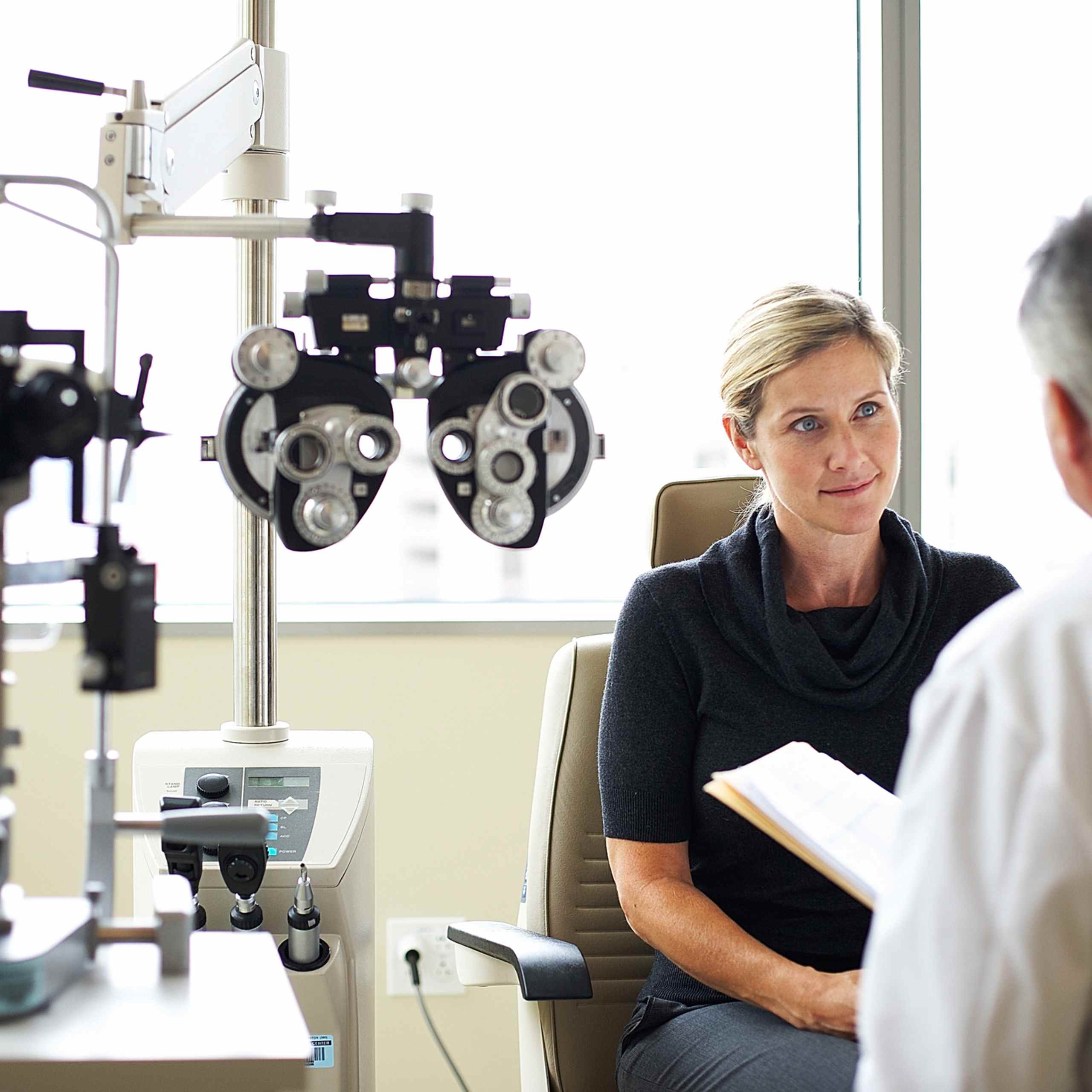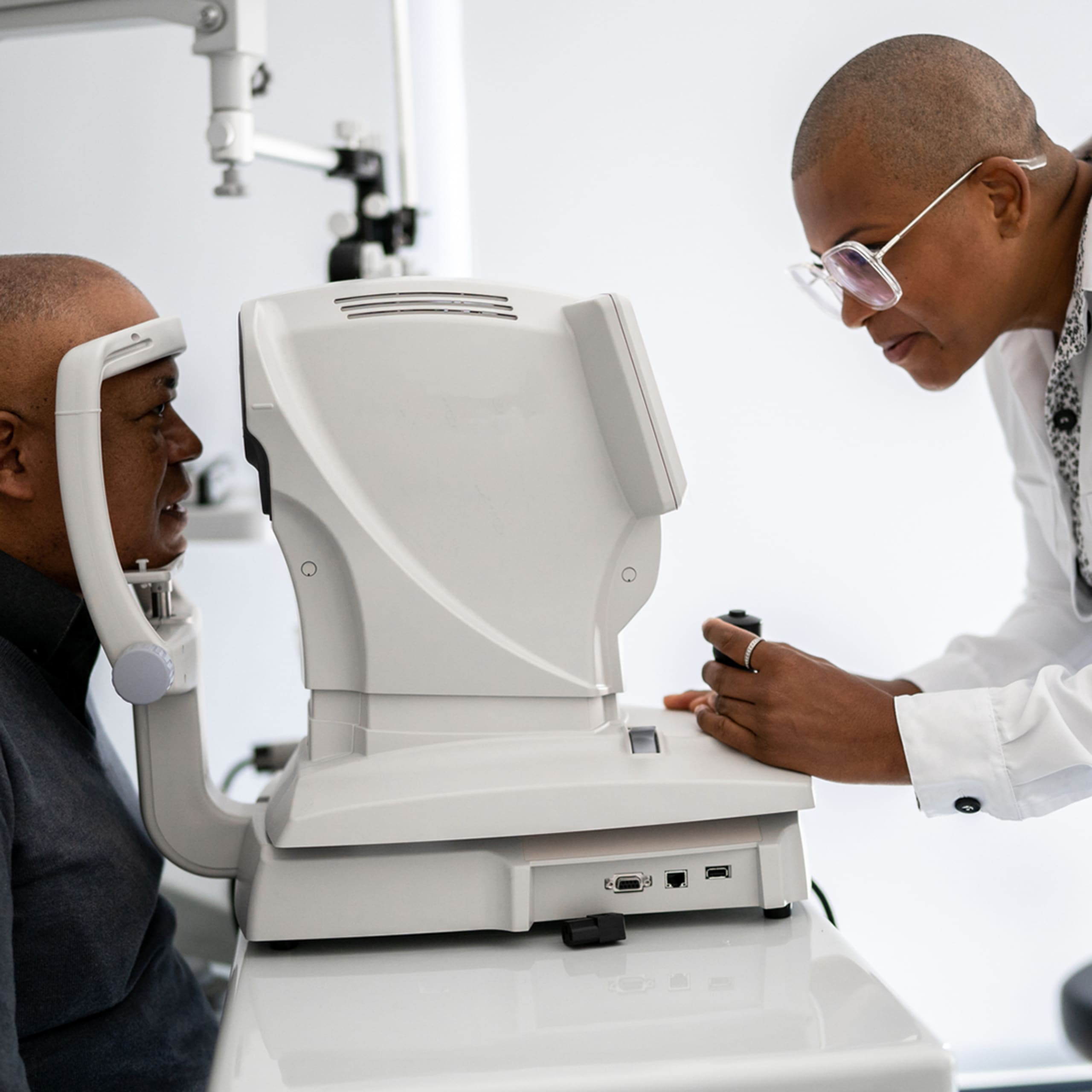


If you’re one of the millions of people who’ve used birth control pills over the years, you may want to book an eye exam. Research suggests that using oral contraceptives may put you at higher risk for developing glaucoma.
In a 2016 issue of Ophthalmology, researchers polled more than 3,400 women over the age of 40 who reported having glaucoma or ocular hypertension. They found that women who took birth control pills for three years or more were almost twice as likely to be diagnosed with glaucoma than those who didn’t. Another meta-analysis published in 2016 in Seminars in Ophthalmology found that longer-term oral contraceptive use increased the risk of glaucoma by 25 percent.
Eye disease and hormones: What’s the connection?
Glaucoma is a group of diseases that progressively damage the eye’s optic nerve and retina, often because of excessive levels of pressure in the eye. It may seem odd to link birth control pills to eye pressure, but there is, in fact, a connection.
Growing evidence shows that estrogen may play a role in keeping one’s eyes healthy in several ways.
First, estrogen helps the body produce nitric oxide, which improves circulation. Too little estrogen could reduce the amount of this molecule, starving the eye’s cells.
Second, glaucoma is potentially caused by a buildup of fluid pressure inside the eye. Studies have shown that increased estrogen levels, such as those experienced during pregnancy, have the effect of decreasing eye pressure. Taking estrogen therapy after menopause may also protect against glaucoma.
The impact of too much estrogen regulation
So how might taking birth control pills—many of which contain estrogen—increase the risk of glaucoma?
Here’s the rub: The pill controls hormones to prevent pregnancy, keeping estrogen levels from peaking during a woman’s menstrual cycle. That means that a woman taking birth control pills is actually exposed to less estrogen while on the pills than she would have been without them, which reduces the hormone’s overall protective effect.
Researchers who conducted the 2016 Ophthalmology study say this doesn’t mean people should stop taking the pill. But if you have taken birth control pills for longer than three years, the study authors recommend checking with your healthcare provider (HCP) to see if you should be getting regular eye exams.
Keep your eyes healthy
The American Academy of Ophthalmology recommends eye exams for people at risk of glaucoma based on age. That means getting exams:
- Every one to three years from ages 40 to 54
- Every one to two years from ages 55 to 64
- Every six months to a year for age 65 and older
You should also be screened if you begin experiencing unusual headaches or eye pressure or if you start having vision problems like tunnel vision, blurriness, or blind spots.
Other factors that can raise your risk of glaucoma include:
- Age over 40
- A family history of glaucoma
- Black or East Asian ancestry
- Health issues like diabetes, migraine headaches, hypertension, or poor circulation
- Far or nearsightedness
- Past eye injuries
- Taking corticosteroids (like prednisone)
- Other eye health issues like corneal or optic nerve thinning
Regular eye exams can reveal early signs of glaucoma including increased eye pressure, sight loss, or eye damage. Early detection and treatment are important because once vision is lost, it can’t be restored.
Sources: American Academy of Ophthalmology. Long-... + 6
- American Academy of Ophthalmology. Long-Term Oral Contraceptive Users are Twice as Likely to Have Serious Eye Disease, November 18, 2013.
- Wang YE, Kakigi C, Barbosa D, et al. Oral Contraceptive Use and Prevalence of Self-Reported Glaucoma or Ocular Hypertension in the United States. Ophthalmology. 2016;123(4):729-736.
- Vajaranant, T. S., & Pasquale, L. R. Estrogen deficiency accelerates aging of the optic nerve. Menopause. 2012:19(8), 942–947.
- Cleveland Clinic. Glaucoma Tests. Last reviewed March 9, 2022.
- Mayo Clinic. Glaucoma. Accessed September 30, 2022.
- Dewundara SS, Wiggs JL, Sullivan DA, Pasquale LR. Is Estrogen a Therapeutic Target for Glaucoma? Semin Ophthalmol. 2016;31(1-2):140-146.
- American Academy of Ophthalmology. EyeNet Magazine. Glaucoma in Women: The Estrogen Connection. April 2014.