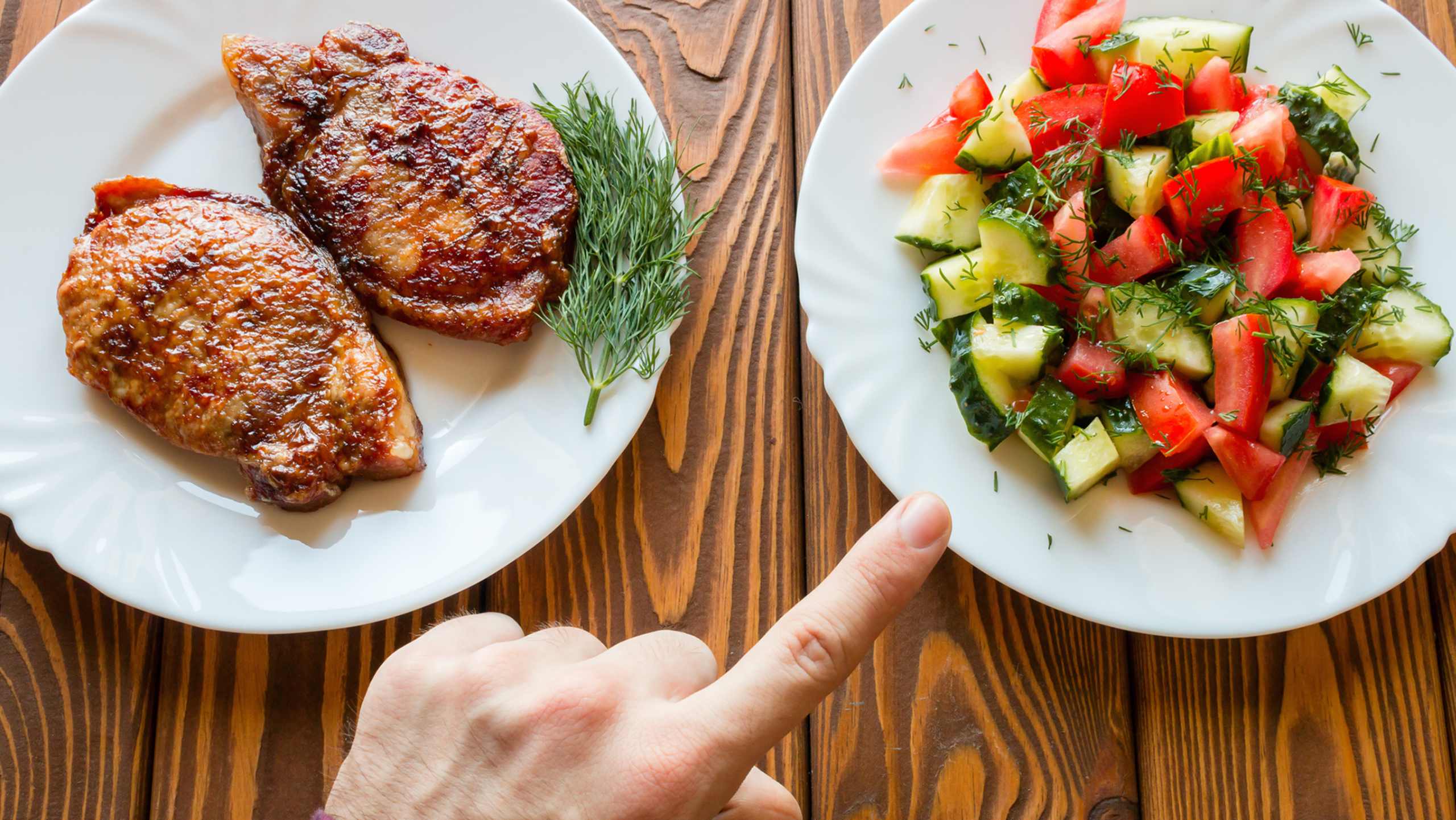
Looking for ways to more effectively manage your weight? Research suggests that over time, a diet that emphasizes legumes such as beans, peas, and lentils may help.
For example, for a 2023 study published in the journal Nutrients, researchers followed more than 10,000 adults in the United States over 10 years. They found that those who incorporated moderate or large amounts of beans into their diet gained less weight overall than those who did not. People who ate beans also had lower BMIs and smaller waist circumference measurements.
Other studies have echoed these findings, suggesting that meals centered around legumes leave people feeling less hungry and fuller compared to meals based on meat such as veal and pork.
Legumes and weight management
How might eating beans, peas, and lentils help you manage your weight?
Lower in calories
For one thing, legumes are relatively low in calories. Swapping meat for beans can reduce the total calories in a meal without reducing the volume of food.
For example, a 1/2-cup (100g) serving of cooked lentils contains about 115 calories, while a 3.5-ounce (100g) serving of 85 percent lean ground beef contains about 215 calories.
High in protein and fiber
Legumes are rich in protein and fiber, which help you feel full, potentially preventing you from overeating. One cup of cooked black beans, for example, provides 15 grams of protein and 15 grams of fiber.
The vast majority of adults in the United States don’t get enough fiber each day. Ask your healthcare provider how much to aim for; the amount will depend on age, sex, health status, and other personal factors
Legumes and disease risk
In addition to weight management, legume consumption has been also linked to lower risks of heart disease, type 2 diabetes, and even some cancers. This may be because:
- Eating legumes helps to manage weight and being overweight or obese is a risk factor for these conditions.
- Diets that focus on plant-based foods like legumes tend to be rich in heart-healthy polyunsaturated fats and low in unhealthy saturated fat. Too much saturated fat can raise the risk of heart disease.
- Legumes are also a good source of health-promoting antioxidants, plant compounds that help prevent or delay damage to cells in the body.
Substituting beans to support a healthy weight
Legumes are diverse and delicious. They grow well in a variety of climates and compared to meat, require less fertilizer and water to cultivate, making them a more sustainable source of protein. Here are just a handful of the most common varieties:
- Black beans
- Black-eyed peas
- Garbanzo beans (also called chickpeas)
- Kidney beans
- Navy beans
- Red, brown, green, black, and yellow lentils
- Peas
- Soybeans
Making beans the focus of soups, salads, and main dishes is a healthy and delicious way to eat fewer calories and feel satisfied. Try these recipes to get started:
- Bean, corn, and red pepper salad
- Protein-rich breakfast burrito
- 5-layer Mexican-style dip
- Garlic and red pepper hummus
- Chicken, kale, and white bean stew
Sources: Tucker LA. Legume Intake, Body Weight, a... + 4
- Tucker LA. Legume Intake, Body Weight, and Abdominal Adiposity: 10-Year Weight Change and Cross-Sectional Results in 15,185 U.S. Adults. Nutrients. 2023 Jan 16;15(2):460.
- Cleveland Clinic. 6 Big Benefits of Beans. August 11, 2025.
- MedlinePlus. Healthy food trends – beans and legumes. May 14, 2024.
- Harvard Health Publishing. Love those legumes! October 25, 2018.
- Yanni AE, Iakovidi S, Vasilikopoulou E, et al. Legumes: A Vehicle for Transition to Sustainability. Nutrients. 2023 Dec 27;16(1):98.