Emergency careHeart health

How to do hands-only CPR on an adult

CPR or cardiopulmonary resuscitation can save a person's life if it is performed in the first few minutes of cardiac arrest. This tutorial will help prepare you in case of an emergency.


LearnHeartCardiac arrestHow to do hands-only CPR on an adult

Up Next

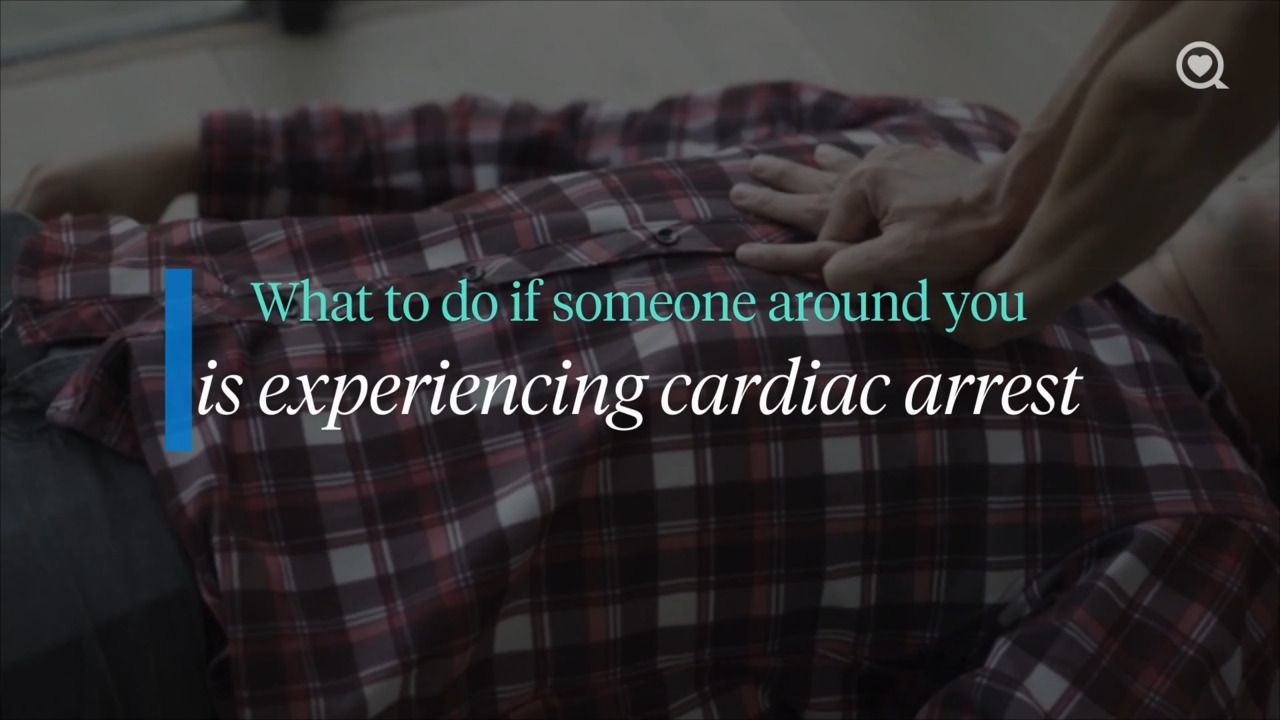
  • What to do if someone around you is experiencing cardiac arrest

  • Heart health: learning this one thing could save a life
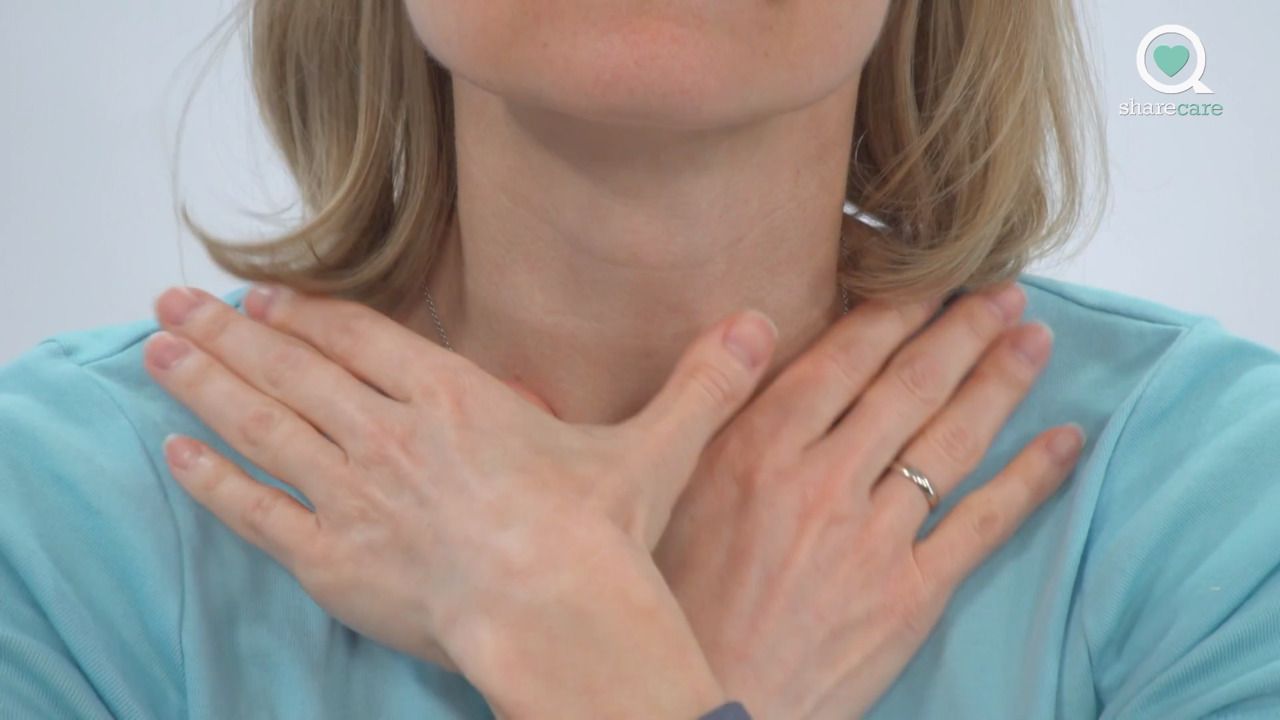
  • How to perform the Heimlich maneuver

  • What is the difference between cardiac arrest and a heart attack?
  • What is a heart attack?

  • What is sudden cardiac arrest?

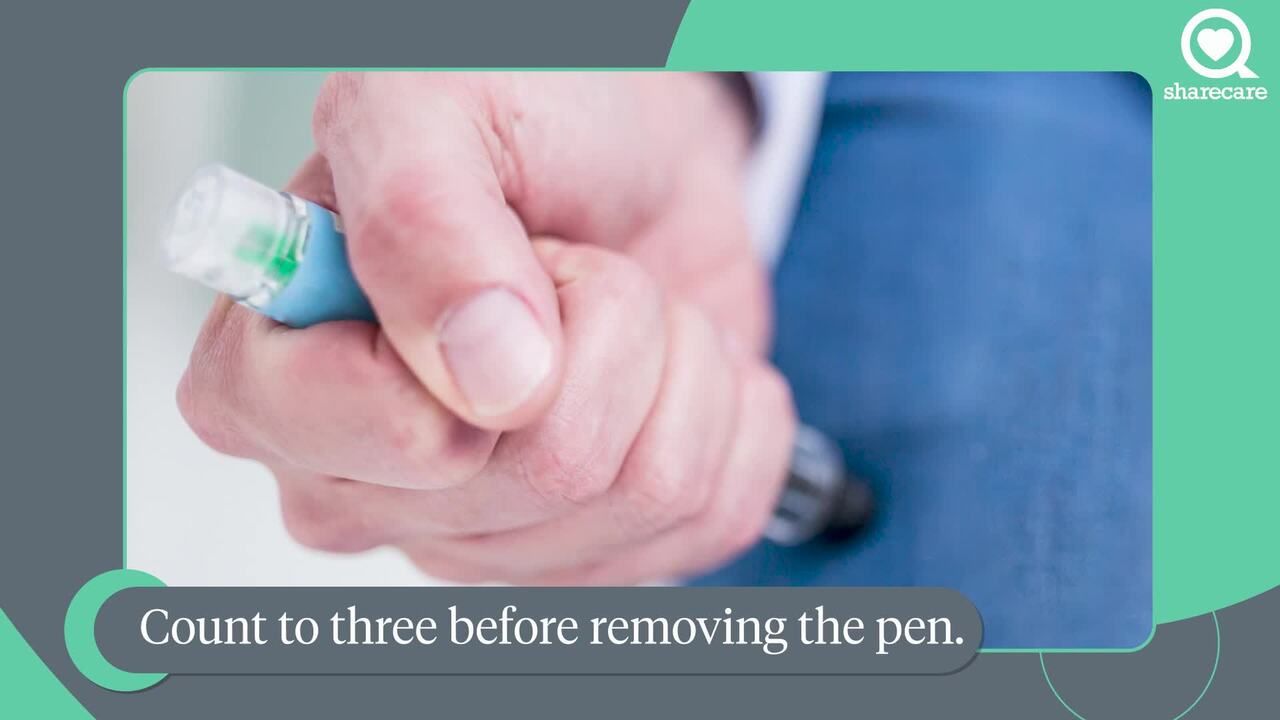
  • How to use an EpiPen

  • What should I carry in case of a medical emergency?
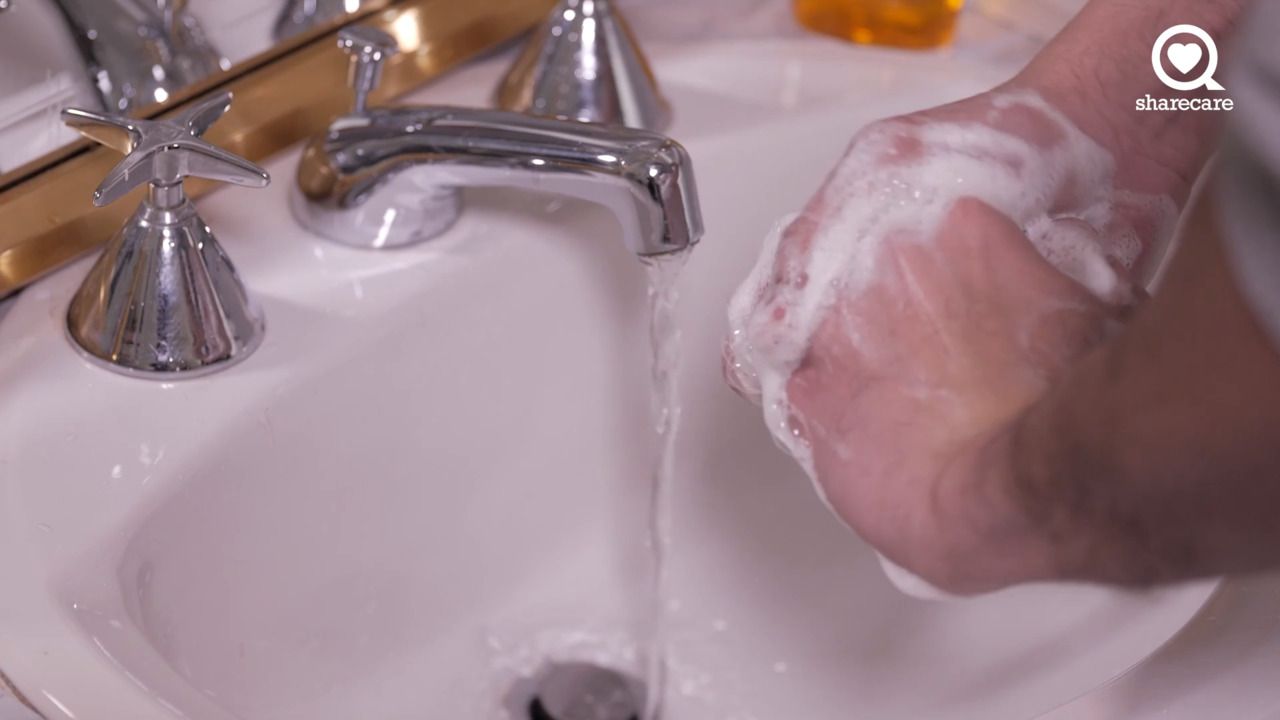
  • How to wash your hands – the right way
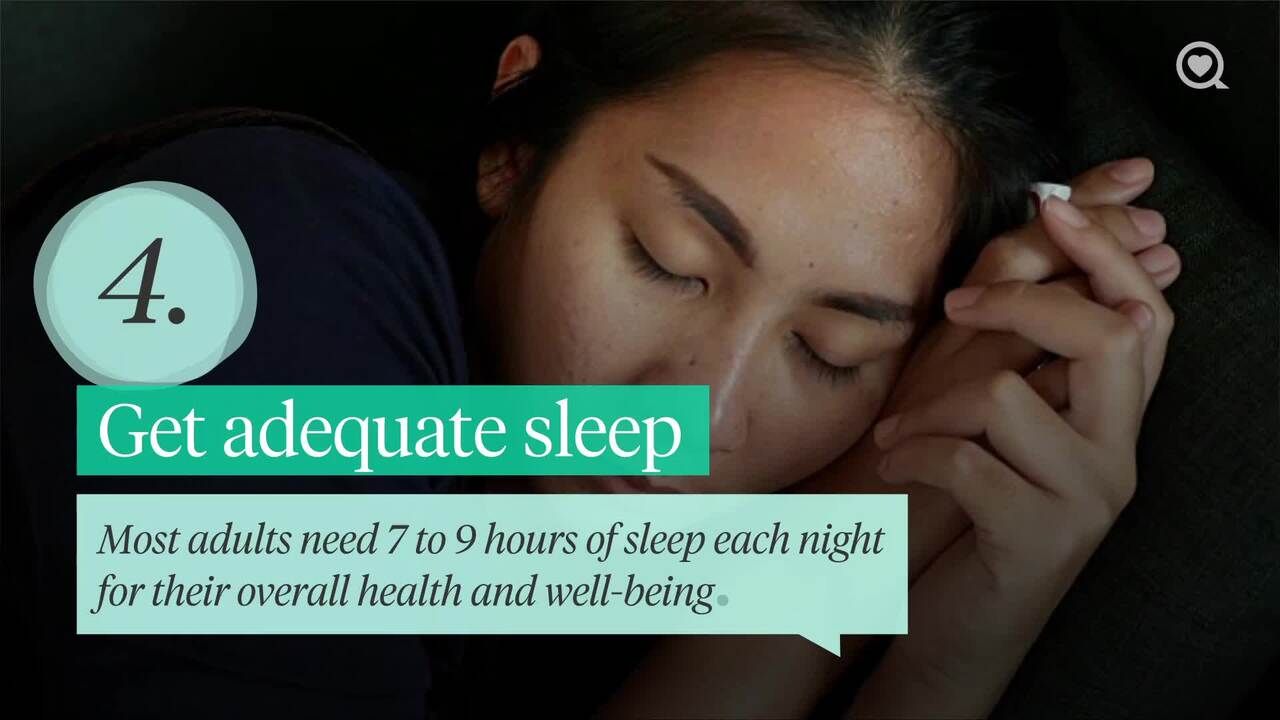
  • 8 simple habits that could drastically improve your heart health

Up Next

  • What to do if someone around you is experiencing cardiac arrest

  • Heart health: learning this one thing could save a life

  • How to perform the Heimlich maneuver

  • What is the difference between cardiac arrest and a heart attack?

  • What is a heart attack?

  • What is sudden cardiac arrest?

  • How to use an EpiPen

  • What should I carry in case of a medical emergency?

  • How to wash your hands – the right way

  • 8 simple habits that could drastically improve your heart health

AskMDAskMD

Curious about Emergency care?

Get instant answers from our AI health assistant

Ask Now

Recommended for you

Know how to perform hands-only CPR, when to use an AED, and how to find your rhythm with your CPR song of choice.

How to deliver high-quality, hands-only CPR
Article

Acting fast makes survival more likely. Here's what you need to know.

What to do if you suspect a heart attack
Article

Understanding how to respond in a crisis could help you save a life.

Do you know these 7 lifesaving emergency tips?
Article

Bleeding can cause death in just five minutes. Here’s how to help keep someone alive until professionals arrive.

Are you prepared to save a life?
Article

It’s crucial to act quickly before it's too late.

How to respond to the signs of a stroke
Article
AskMDHow can I be more consistent?
AskMD by Sharecare LogoAskMD by Sharecare Logo
Privacy policyConsumer health data privacyTerms of use
Cookie policyYour privacy choices

© 2026 Sharecare, Inc.

ask-mdask-md
AskMD by Sharecare LogoAskMD by Sharecare Logo
Privacy policyConsumer health data privacyTerms of use
Cookie policyYour privacy choices

© 2026 Sharecare, Inc.