

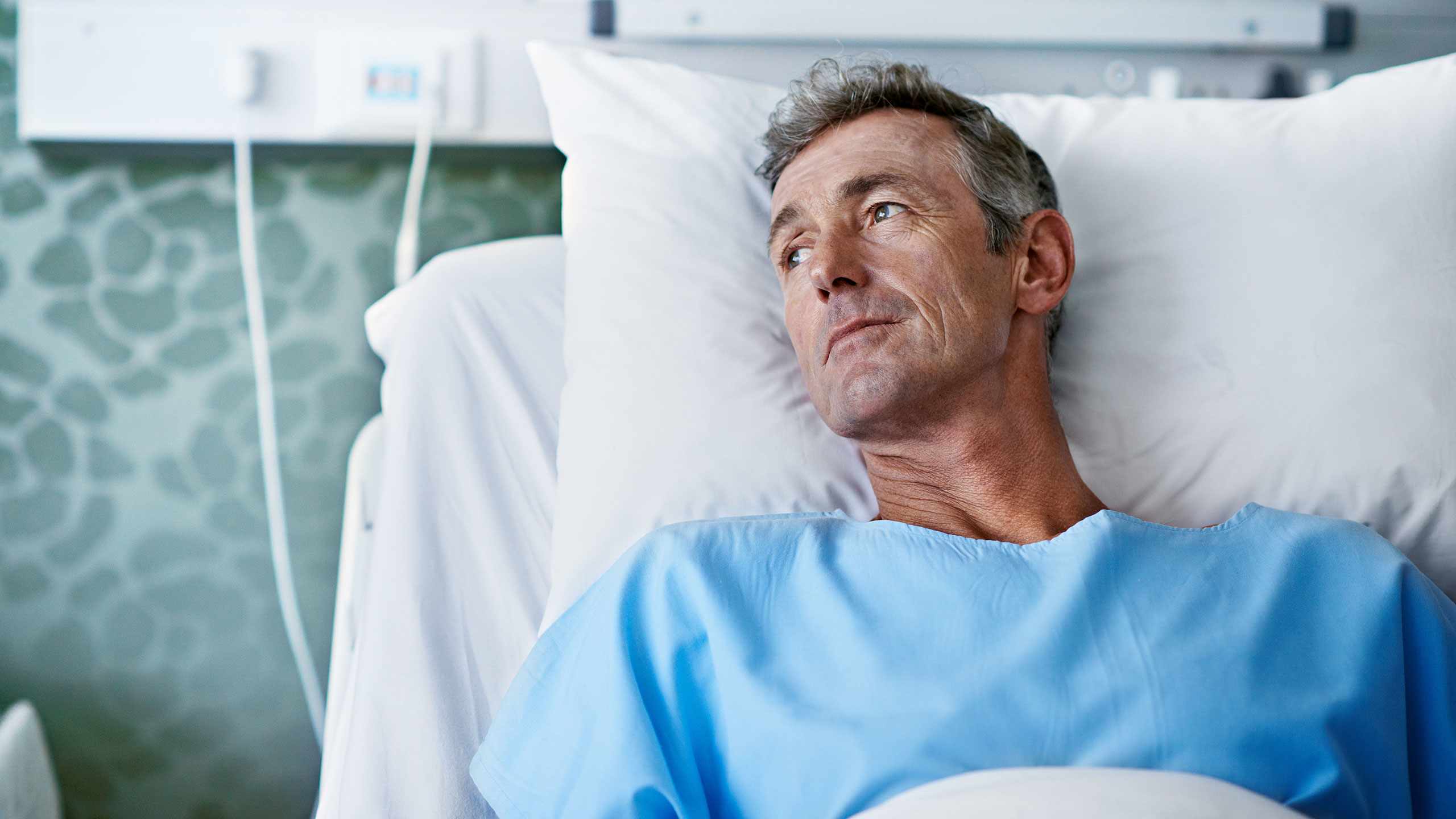
A heart attack is a life-altering event. After it happens, most people know that their physical health will be affected, but they may not be aware of how much it can affect their mental well-being. Studies show that symptoms of depression occur in up to one-third of heart attack survivors each year. This can have important consequences, since depression can delay recovery, especially if a person doesn’t seek treatment such as cardiac rehab after their heart attack.
Many people don’t recognize the signs of depression or realize that there are treatment options available. Learn why depression can occur after a heart attack, how cardiac rehab can help, and what can be done at home.
Why is depression so common after a heart attack?
Heart attacks often occur without warning, changing a person’s life for the short and long term. The event can bring fears about mortality to the surface, and many people worry how it may affect their longevity.
“Having an unexpected cardiac event, especially when people think they are healthy, can put them in a great depression,” says Poorna Nalabothu, MD, a cardiologist in Milcreek, Utah. “They also become anxious as to what it will lead to in the later part of their life.”
Immediately following a heart attack and during recovery, a person may be unable to perform activities or hobbies they typically enjoyed. Day-to-day tasks may also feel difficult. Some people become angry at their circumstances. They may withdraw from family and friends. Others become fearful of a repeat cardiac incident.
The scope of the lifestyle changes patients must make after a heart attack can also feel overwhelming. “Keeping up with the new medications, the new symptoms and a strict diet is difficult,” says Dr. Nalabothu.
Life circumstances that caused chronic stress before a heart attack may also influence depression if they are not addressed following a cardiac event.
Signs of depression after a heart attack
Following a heart attack, primary care physicians and cardiologists will often screen a person for depression using tools such as the Patient Health Questionnaire (PHQ). There is a two-question PHQ and a nine-question version. Either can be filled out by patients and discussed with a physician.
Nalabothu uses the two-question format, also called the Short Patient Health Questionnaire, to start a conversation about depression with her patients, especially if she already suspects symptoms. The questions, which are also the first two in the nine-question screening tool, are as follows:
- In the past two weeks, how often have you been bothered by feeling down, depressed or hopeless?
- In the past two weeks, how often have you felt bothered by having little interest or pleasure in doing things?
Answering yes to either of these should prompt your physician to recommend further evaluation.
There can be other indicators of depression as well. Nalabothu often asks patients if they are not interested in engaging in conversation with loved ones. “Some patients may be unable to sleep,” she notes. “Many have loss of appetite and some are not able to keep up with daily activities.”
Other symptoms of depression include:
- Irritability
- Trouble concentrating
- Feelings of worthlessness or guilt
- Lack of energy
- Weight gain or loss
- Thoughts of suicide
If you are experiencing any of these symptoms following a cardiac episode—especially thoughts of suicide—consult your primary care physician or cardiologist immediately. You can also call, text, or chat 988 to reach the 988 Suicide and Crisis Lifeline, where help is available 24/7. If you are in immediate crisis and thinking of harming yourself or another person, call 911 or go to an emergency department right away.
Options for depression treatment
Following a depression screening, your physician may refer you for treatment from a mental health professional. Based on the severity of the depression, you may be prescribed psychotherapy, antidepressants, or a combination of both. Although people may worry about interactions between their heart medications and antidepressants, studies have shown that use of certain selective serotonin reuptake inhibitors (SSRIs) can be taken by some patients following a heart attack. Consult your physician to get the correct drug recommendations for your situation.
Always make sure your care team is up to date on your current medications so you can avoid potentially dangerous drug interactions. They should monitor any behavior changes you may experience while taking antidepressants. Don’t stop taking your antidepressant unless directed by a physician. If you feel your depression is worsening, let them know as soon as possible so you can try a different option.
Remember that treatment for depression is not a short-term fix. It may take a few tries to find a combination of therapy and an antidepressant that works for you. Discontinued or untreated depression is linked to greater mortality risk, lower rates of cardiac rehabilitation, and reduced quality of life, so it’s important to stick with a treatment plan.
Where cardiac rehab fits in
Cardiac rehabilitation is medically supervised outpatient treatment. It usually consists of up to 36 one-hour sessions focusing on exercise, lifestyle changes, and mental health, all personalized to your needs and recovery. This can include support and counseling for depression. Members of your cardiac rehab team can also screen for depression throughout the recovery process.
Some cardiac rehab programs have mental health professionals on staff to work with patients and their medical teams. Together, physicians and mental health specialists can decide which treatment options will work best if a person shows signs of depression. Research suggests that people who complete cardiac rehab have fewer symptoms of depression and anxiety and improved heart health moving forward.
Nalabothu also notes that the social aspect of cardiac rehab can lead to better mental health. “Patients are more motivated because of the everyday interaction with their doctors and other patients,” she says. “They get to know other patients in rehab, so they bond with each other.”
The risk of untreated depression after a cardiac episode
Even though it is common to experience depression after a heart attack, some people may not realize they are affected. “Many never knew that they're depressed,” says Nalabothu. “They think they're just stressed and sad.”
Some people also never receive screenings, leaving themselves and their physicians in the dark about their symptoms. “Physicians should have more awareness about screening as well,” suggests Nalabothu, “because unless the physician knows or suspects something, they may not look into the cause of depression.”
She also stresses that healthcare providers need to ask about thoughts of suicide when talking to patients, and any suicidal thoughts should immediately be reported.
Untreated depression may hinder recovery and impede the motivation to adopt a healthier lifestyle in a number of ways. Those who are depressed:
- May fail to follow the medication program set forth by their physician
- Are more likely to skip cardiac therapy or find reasons to discontinue treatment
- May also be less motivated to change their diet or perform their prescribed physical exercises
It’s worth noting that depression doesn’t always develop right after a heart attack. It may take months, so physicians should continue to screen for symptoms even after cardiac rehab is over.
Ways to stay motivated during recovery
“A healthier lifestyle definitely starts at home,” says Nalabothu. In addition to mental health treatment and cardiac rehab, these strategies can help you cope with depression and stay motivated to pursue recovery.
Follow the plan outlined by your doctor
It’s crucial to follow the recommendations provided for you. Continue to attend your cardiac rehab sessions. Take medications as directed, try to implement a healthy eating plan, and do not try any exercises or tasks that haven’t been approved by a physician. Following their advice can help you recover quickly.
Rely on your support system
Asking for help can be tough, but family and friends are often happy to provide assistance through recovery. “Lots of support from family is important,” says Nalabothu. “Have them take you to doctor’s appointments or look after you if you don't feel well. Have them help with home-cooked meals.” She also suggests that patients should continue to socialize as they feel comfortable, which can include asking friends to help should they need it.
Find ways to reduce stress
Finding effective relaxation techniques can aid heart attack recovery while easing depression symptoms. Yoga, meditation, deep breathing exercises, music, and finding distraction in hobbies can help relieve stress. Be easy on yourself, both mentally and physically, in the time following your heart attack.
If you are not sure what triggers your stress, start tracking it daily on the Sharecare app (available for iOS and Android). Figuring out what upsets you may help you to develop effective coping strategies.
Stay positive and be patient with recovery
The goals of cardiac rehab are to improve health, restore heart function, and help people safely return to daily activities. The amount of time needed varies for everyone. Don’t become discouraged if it takes longer than you expect—and don’t quit.
Sources: American Heart Association. Psychologica... + 7
- American Heart Association. Psychological distress common after a heart attack, may lead to future heart conditions. September 22, 2025.
- Levine GN, Carney RM, et al. Post-Myocardial Infarction Psychological Distress: A Scientific Statement From the American Heart Association. Circulation. 2025 Oct 21;152(16):e298-e310.
- American Heart Association. Why a cardiac crisis also can be a mental health issue. May 23, 2023.
- American Academy of Family Physicians. Screening for Depression. January 15, 2012.
- Specialist Pharmacy Service. Choosing an antidepressant for people with coronary heart disease. Last updated April 29, 2025.
- Mayo Clinic. Cardiac rehabilitation. November 21, 2024.
- American Heart Association. What is Cardiac Rehabilitation? April 24, 2024.
- MedlinePlus. Cardiac Rehabilitation. February 9, 2026