It’s no secret that being stressed can take a toll on your body and mind. In fact, chronic stress may lead to or worsen cardiovascular problems. While you may not be able to control all of your stressors, you can take steps to better deal with them—and help protect your health in the process.
How stress impacts heart health
Stress raises levels of certain hormones, such as cortisol and adrenaline. In the short term, this can be helpful, triggering the “fight or flight” response that helps you deal with immediate threats. Over time, however, chronic stress could increase your risk for a slew of health issues, including heart disease.
In fact, repeated stress can lead to episodes of high blood pressure, elevated heart rate and irregular heart rhythms. You might also lose sleep or be tempted to overeat, smoke or drink alcohol in a misguided attempt to de-stress. Those who respond to stress in such unhealthy ways may be increasing their risk for heart problems. Stress can also occur after someone has a heart attack or other serious cardiovascular issue, leading to an increased chance for another cardiac event.
In rare cases, stress can lead to a temporary heart-attack like response called “broken heart syndrome.” When someone receives devastating news or goes through a sudden traumatic event, part of their heart stops pumping blood. They may experience symptoms similar to a heart attack, like irregular heart beat and chest pain. However, this can be treatable and does not cause a blocked artery.
Decrease stress from your life.
It’s important to find ways to relax and respond to hectic life events.
Figure out what causes stress. Write a list of your triggers and devise problem-solving strategies for the things you’ve itemized.
Have a quick coping mechanism. When you need a moment, figure out a quick action you can do to stay calm, like listening to music, deep breathing or a few stretches.
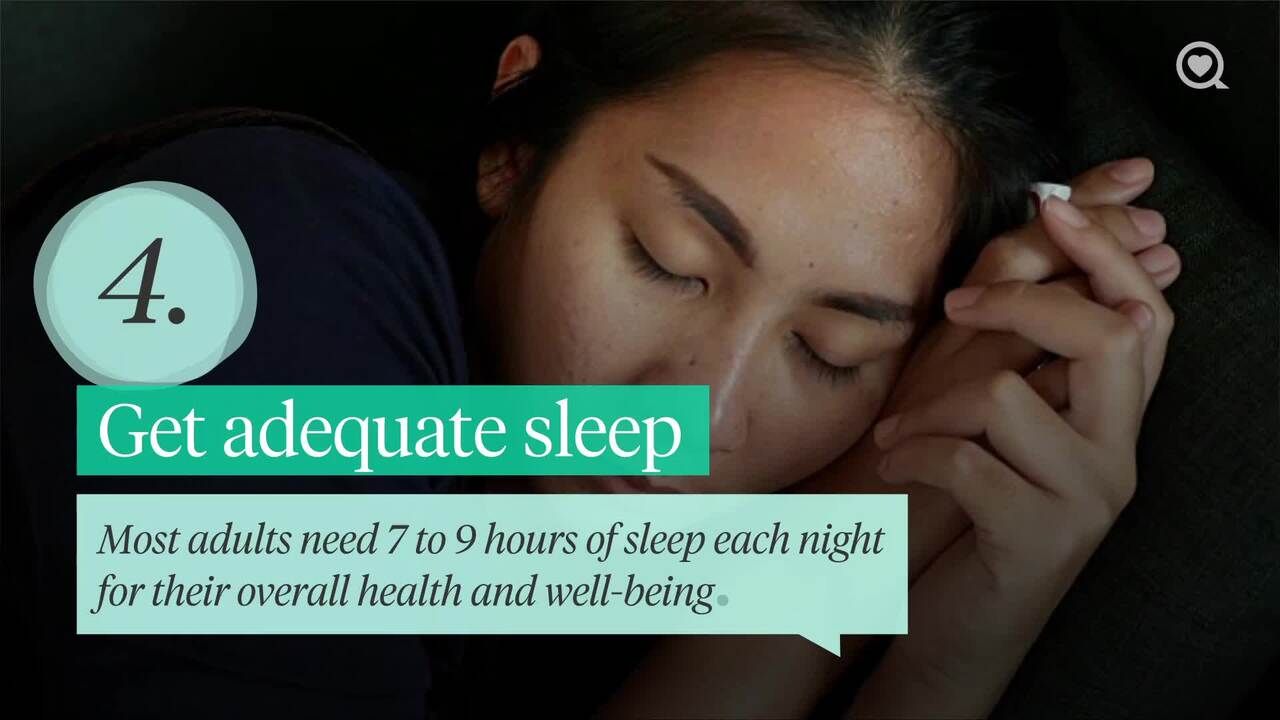
Address the physical causes of stress. Sometimes, we’re stressed out because of unmet physical needs that are actually in our grasp to fulfill: getting more sleep, eating a balanced diet or exercising more.
Use your vacation days. Time off could help reduce the risk of high blood pressure, high blood sugar, excess belly fat and abnormal cholesterol levels, all of which raise the risk for heart disease.
Get outside. Spending more time outdoors can boost your mood and happiness. You don’t always need to plan a long hike. Sitting in the park or walking around your neighborhood works.
Talk about it. Reach out to loved ones to talk about your stressors. If you feel overwhelmed by stress, consider speaking to a mental health professional.
Sources: American Heart Association. Stress and H... + 1
- American Heart Association. Stress and Heart Health. Last Reviewed: Feb 8, 2024.
- American Heart Association News. Chronic stress can cause heart trouble. Published: February 4, 2020.