One of the hardest aspects of living with type 2 diabetes is making changes to habits and routines. But factors like a better diet, more exercise, and fewer unhealthy habits often make the biggest difference in treatment.
Here, we look at five strategies that can help you find—and stick—with healthier habits.
Define your targets
When setting any goal—whether it is related to diabetes or anything else—it’s important to be specific. Specific about what you want to achieve. Specific about the steps you will take to get there.
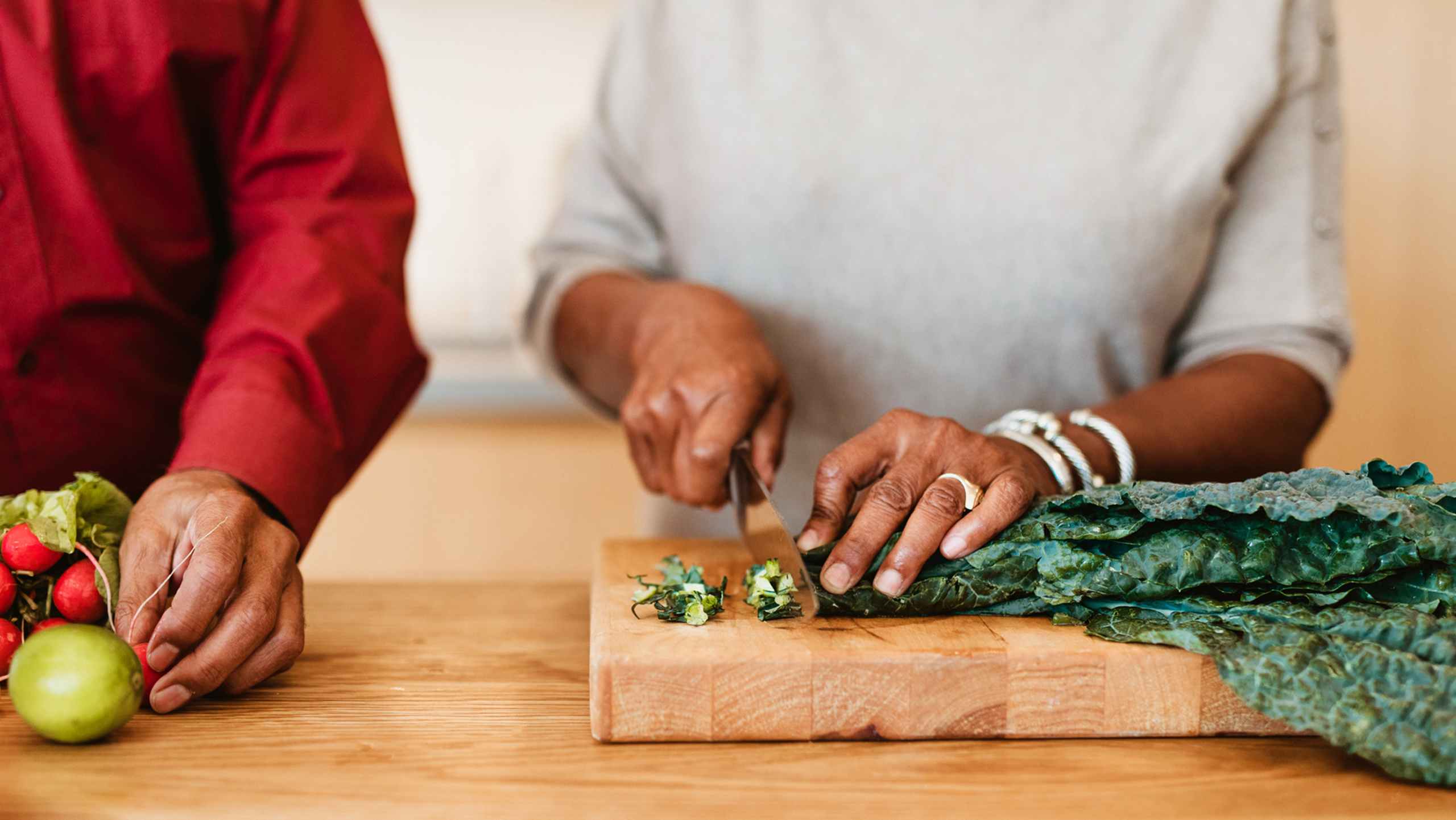
For example, if you want to eat healthier foods and exercise more, set a goal of one extra serving of leafy green vegetables with dinner each night and fifteen minutes of walking each morning. Both are measurable (one serving, fifteen minutes) and both are tied to a specific part of the day (dinnertime, morning).
Write it down
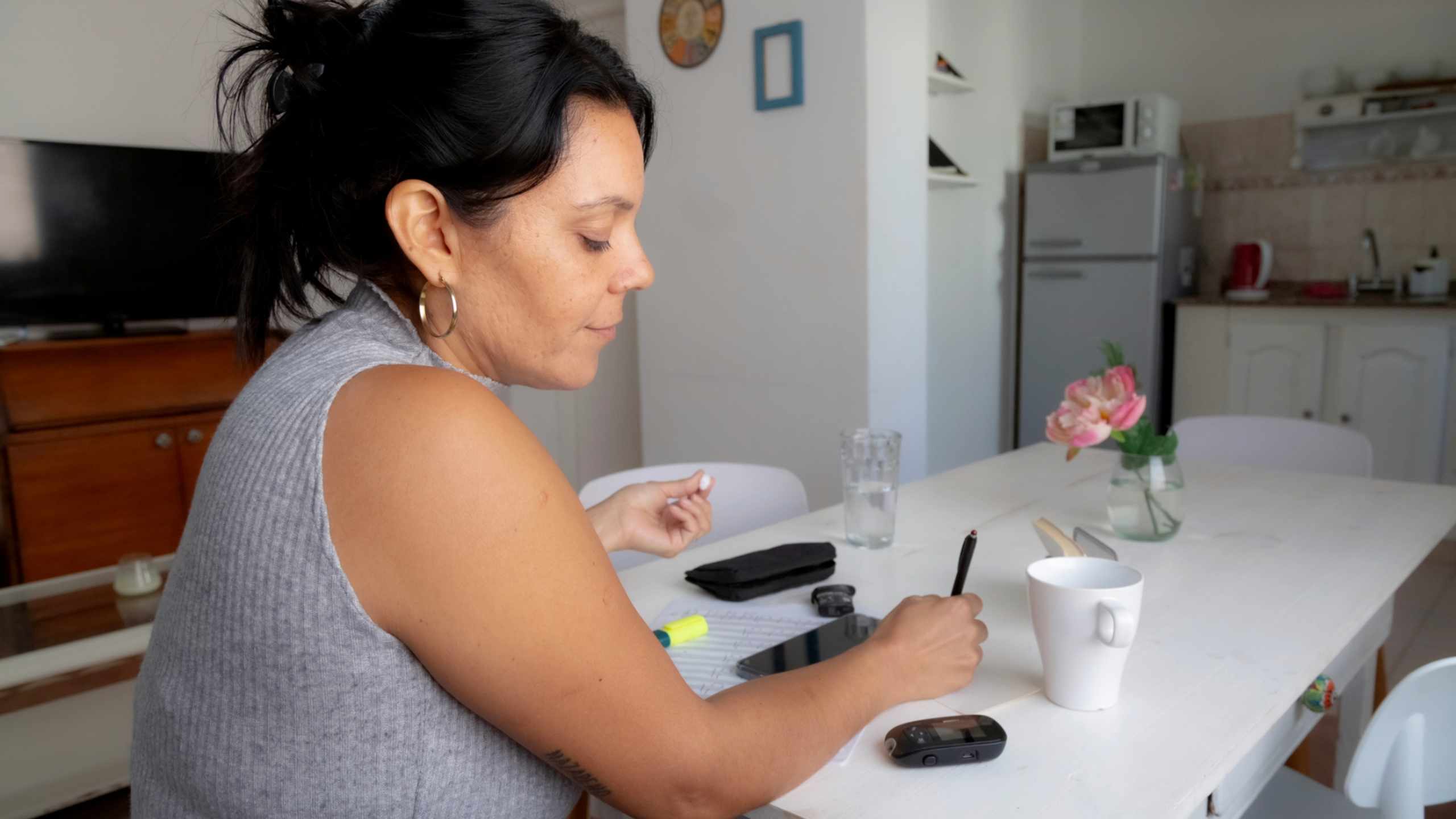
In order to measure progress, progress needs to be measured. One of the best ways to measure your progress is to keep a diary or journal. This is particularly helpful when trying to make improvements to diet and exercise.
Keeping a record also keeps you accountable, helps you celebrate the successes you’ve had, and identify the areas you’d like to improve. It is also important to write down your goals, to give yourself a visual reminder of what you want to do and how you will do it.
Take small steps
Making a big change can be complicated and overwhelming. The vast majority of people are unable to make big changes to their lives that they stick with long term.
Fortunately, there is a solution to this—make small, simple changes.
To use diet and nutrition as an example—start eating your meals with a portion plate (a plate with separate sections for the different food groups). This is a simple and easy way to start tracking the portions of the different foods that make up your meals.
Build your support system
Type 2 diabetes is not an easy condition to manage. And like many aspects of life, having a support system can make the difference in what you are able to achieve.
A support system can include friends, family, other people who are also managing diabetes, and other people who have goals that are similar to your own. Know someone who is trying to eat healthier? Invite them over for a meal. Someone who is trying to be more physically active? Visit a park to take a walk.
Also consider joining a support group for people who have type 2 diabetes. There are support groups that meet online and in person. It can help to talk to other people who are dealing with the same challenges of managing type 2 diabetes. Support groups are also a great place to celebrate success.
Keep learning
Learning more about type 2 diabetes is an essential part of managing type 2 diabetes. This includes understanding what contributes to type 2 diabetes, what’s happening inside the body, and the skills that can help you keep blood sugar under control.
Investing in diabetes education is associated with better A1C levels, healthier blood sugar and cholesterol, fewer diabetes-related complications, and lower healthcare costs.
Sources: American Diabetes Association. "Setting ... + 8
- American Diabetes Association. "Setting Realistic Goals."
- Katherine D. McManus. "Why keep a food diary?" Harvard Health Publishing. January 31, 2019.
- Jack F. Hollis, Christina M Gullion, et al. "Weight loss during the intensive intervention phase of the weight-loss maintenance trial." American Journal of Preventive Medicine, 2008. Vol. 35, No. 2.
- Kristen A. Carter. "Small Changes for Health: Not So Fast." Psychology Today. September 2, 2020.
- Harvard T.H. Chan School of Public Health. "Healthy Eating Plate."
- Centers for Disease Control and Prevention. "Eat Well."
- American Diabetes Association. "Eating right doesn't have to be boring."
- Centers for Disease Control and Prevention. "How People with Diabetes Benefit from DSMES."
- Margaret A. Powers, Joan Bardsley, et al. "Diabetes Self-management Education and Support in Type 2 Diabetes: A Joint Position Statement of the American Diabetes Association, the American Association of Diabetes Educators, and the Academy of Nutrition and Dietetics." Clinical Diabetes, 2016. Vol. 34, No. 2.