

There is no known cure for type 1 diabetes, but the condition can be managed with ongoing treatment. Treatment requires a person to take insulin to replace the insulin that the body is unable to produce on its own.
Different types of insulin
Insulin for diabetes comes in a variety of types, and it’s common for a person to use a combination of different insulins. The major types of insulin are:
- Rapid-acting insulin starts working within 15 minutes of injection, peaks in around 1 hour, and is out of your system in 2 to 4 hours.
- Regular or short-acting insulin begins to work within 30 minutes after injection, peaks in 2 to 3 hours, and lasts from 3 to 6 hours.
- Intermediate-acting insulin starts to work two to four hours after injection, peaks anywhere from 4 to 12 hours later, and lasts 12 to 18 hours.
- Long-acting insulin works over a 24-hour period and does not have a real peak of action, but starts working 60 to 90 minutes after being injected.
There are also some insulin medications that are a premixed combination of long- acting and short-acting insulin. Some types of insulin can also be mixed in a syringe—a healthcare provider can instruct you on how to prepare a mixed dose of insulin.
Insulin requirements can change over time, especially when someone begins insulin therapy at a young age. For example, insulin requirements typically increase during puberty—growth, development, and hormonal changes can all affect a body’s insulin needs.
Different delivery systems
People treating type 1 diabetes with insulin therapy have several options for insulin delivery:
- Syringes. Many people still use this traditional method of taking insulin, where insulin is drawn from a vial and injected.
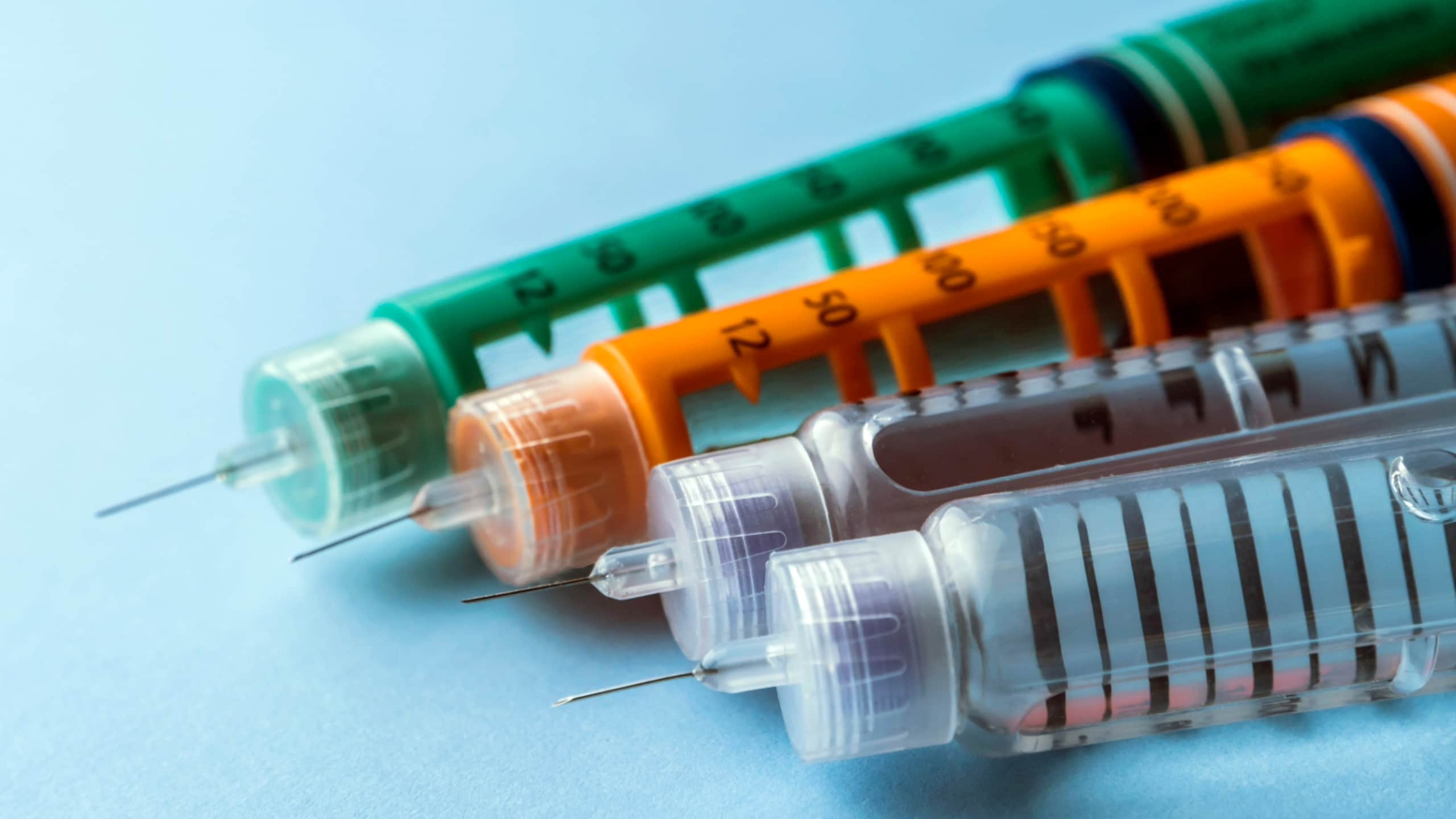
- Pens. These pre-filled pens are convenient and provide accurate doses. Some pens are disposable and others can be refilled.
- Pumps. Insulin pumps deliver insulin continuously throughout the day and night using a catheter that is placed under the skin. This replaces the need for insulin shots. Pumps are about the size of a small mobile phone.
- Inhalers. There is also a type of short-acting inhaled insulin taken with an inhaler.
Other parts of a treatment plan
People with type 1 diabetes will also need to monitor blood glucose levels with a glucose meter, learn how different foods affect blood glucose levels (and follow an eating plan), and know how to address adverse events like hypoglycemia (very low blood sugar). Hypoglycemia episodes are common among people who treat type 1 diabetes with insulin but need to be avoided—severe episodes can be life-threatening.
Maintaining a healthy lifestyle is another important aspect of treatment. This includes good nutrition, regular exercise, avoiding habits that can damage your health (such as smoking), and keeping up with healthcare appointments.
Sources: Centers for Disease Control and Preventi... + 8
- Centers for Disease Control and Prevention. Just Diagnosed With Type 1 Diabetes. May 15, 2024.
- Merck Manual Professional Version. Type 1 Diabetes Mellitus. July 2026.
- Centers for Disease Control and Prevention. Types of Insulin. May 15, 2024.
- National Institute of Diabetes and Digestive and Kidney Diseases. Insulin, Medicines, & Other Diabetes Treatments. March 2022.
- Centers for Disease Control and Prevention. 4 Ways To Take Insulin. May 15, 2024.
- Lucier J, Mathias PM. Type 1 Diabetes. 2024 Oct 5. In: StatPearls [Internet]. Treasure Island (FL): StatPearls Publishing; 2024 Jan–.
- Mayo Clinic. Insulin Human Inhaled (Inhalation Route). November 1, 2026.
- Mayo Clinic. Type 1 Diabetes. March 27, 2024.
- Mathew P, Thoppil D. Hypoglycemia. 2022 Dec 26. In: StatPearls [Internet]. Treasure Island (FL): StatPearls Publishing; 2022 Jan–.


