

For many decades, men in the United States tended to drink alcohol more than women. But women have largely caught up. Now, men and women drink at almost the same rates, according to the National Institute on Alcohol Abuse and Alcoholism (NIAAA). The shift has important health implications, because women are at higher risk for alcohol-related health issues than men.
Experts believe the higher risk of illness and complication is partly because most women process alcohol differently than most men. They absorb more alcohol into the bloodstream and then take longer to metabolize it due to differences in body chemistry and composition.
For example, relative to men’s bodies, women’s bodies contain higher proportions of fat and less water. Fat tends to absorb alcohol while water tends to dilute it. This means that alcohol remains in women’s bodies for a greater period of time, potentially causing more damage to organs. It also means that women become impaired more quickly, even after drinking the same amount as men.
And yet, more than 1 in 6 U.S. women reported binge drinking in the past month in the 2024 National Survey on Drug Use and Health. Binge drinking is defined as having four or more alcoholic beverages (or five or more drinks for men) within about two hours on at least one occasion in the previous month. Health experts recommend that women limit themselves to one drink per day. Here’s how one drink breaks down:
- 12 ounces of beer containing 5 percent alcohol
- 5 ounces of wine containing 12 percent alcohol
- 1.5 ounces of 80-proof liquor containing 40 percent alcohol
It's worth noting that typical pours of wine, beer, and even cocktails often exceed these amounts, especially at restaurants and bars. Here’s how drinking alcohol could lead to health risks down the road.
6 risks of excessive alcohol use
Drinking alcohol can increase your odds of certain health conditions, including the following.
Liver damage and inflammation
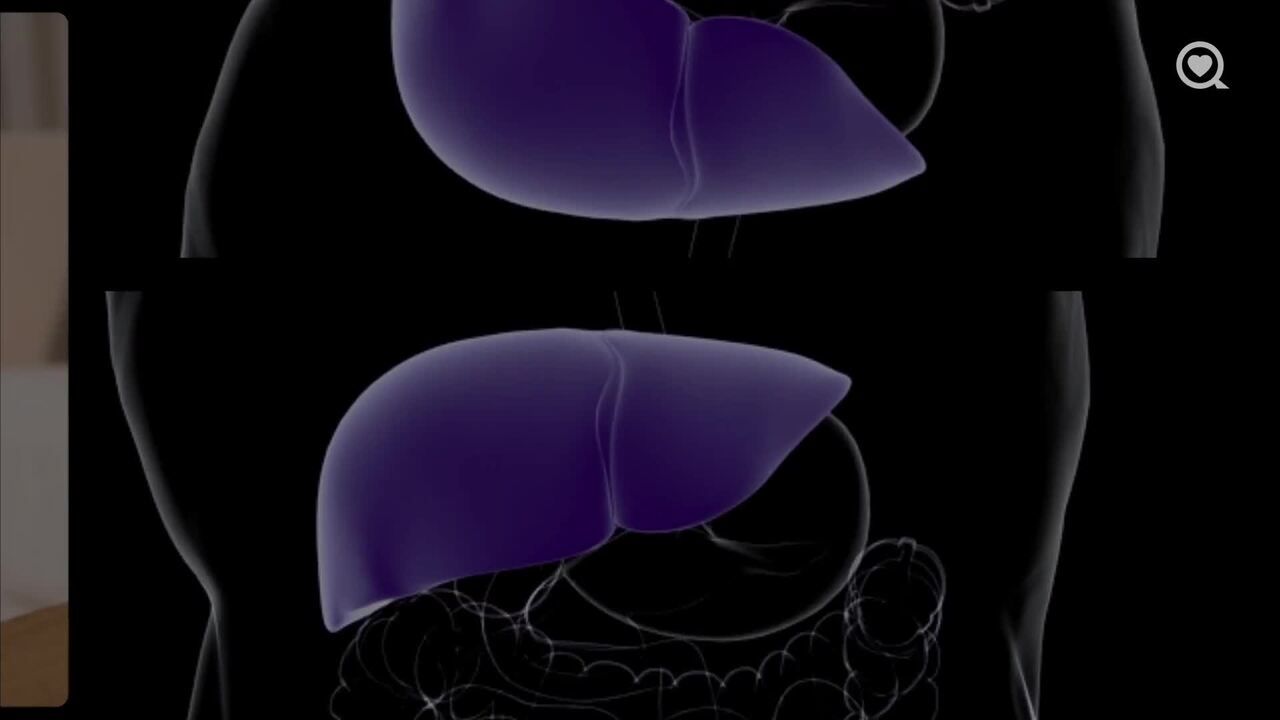
Women are more likely to develop alcohol-induced liver disease even after consuming less alcohol than men. Alcohol-induced liver disease is an infection that may affect digestion and the body’s ability to get rid of toxins. In more extreme cases, liver disease may trigger the formation of scar tissue, or cirrhosis.
Breast cancer
Even just one drink per day may increase the risk of developing breast cancer. The risks are higher for those with a family history of breast cancer and for postmenopausal women.
Brain damage
Research suggests that women increase their risk for alcohol-induced brain shrinkage the more they drink. Both men and women have learning and memory problems when they are heavy drinkers, too.
Pregnancy complications
More than 15 percent of pregnant people drink alcohol, according to the Centers for Disease Control and Prevention, which can pass to the fetus through the umbilical cord. Drinking any amount while pregnant can contribute to fetal alcohol spectrum disorders (FASD), while excessive alcohol use may increase the risk of miscarriage, stillbirth, premature delivery, and sudden infant death syndrome. Experts advise that no amount of alcohol is safe during pregnancy.
Heart disease
Excessive drinking over a long period increases the risk of heart disease. Women are susceptible to these cardiovascular effects in a shorter amount of time than men.
Addiction
Women who drink heavily—defined as four or more drinks a day, or eight or more in a week—increase their chances of developing alcohol use disorder (also known as alcohol dependence, abuse, addiction, or alcoholism).
If you’re trying to limit yourself to one drink a day or less, try these tips:
- Measure out your serving size if you’re at home.
- Pay attention to how much you are drinking when you’re outside the home. Remember, the bigger the glass, the more wine you’re likely to get.
- Sip water between sips of alcohol. Instead of reaching for a second cocktail, enjoy a glass of seltzer water with a squeeze of fresh fruit juice.
How to get help if you have a drinking problem
Some research suggests that women are less likely than men to seek help and treatment for alcohol use disorder. Here are some signs that you may be dependent on alcohol:
- You’ve tried to stop drinking but couldn’t.
- You have alcohol cravings.
- Alcohol consumption interferes with daily activities like work, caring for family members, or going to school.
- You’re skipping hobbies and events to drink instead.
- Your bouts with drinking lead to memory blackouts.
- You have to drink more to feel the effects.
- You experience withdrawal symptoms like trouble sleeping, shakiness, irritability, sweating, or seizures.
If any of the symptoms sound familiar, see a healthcare provider so they can steer you toward the right treatment path. Common treatments for alcohol use disorder include alcohol counseling to focus on behavior and medications such as naltrexone and disulfiram to help with alcohol dependence.
Mutual-support groups like Alcoholics Anonymous (AA) or Women for Sobriety can also help you connect with other people going through similar issues.
Sources: National Institute on Alcohol Abuse and ... + 13
- National Institute on Alcohol Abuse and Alcoholism. Alcohol Use in the United States: Age Groups and Demographic Characteristics. August 2025.
- Centers for Disease Control and Prevention. Alcohol Use Effects on Men’s and Women’s Health. January 31, 2025.
- Mayo Clinic Press. Drinking—It’s Different for Women. March 6, 2023.
- Substance Abuse and Mental Health Services Administration. 2022–2024 NSDUH: Binge Alcohol Use in the Past Month. September 30, 2025.
- Centers for Disease Control and Prevention. Data on Excessive Alcohol Use. August 6, 2024.
- Centers for Disease Control and Prevention. Alcohol Use and Your Health. January 14, 2025.
- National Institute on Alcohol Abuse and Alcoholism. Understanding Alcohol Drinking Patterns. January 2026.
- National Institute on Alcohol Abuse and Alcoholism. Women and Alcohol. December 2025.
- Centers for Disease Control and Prevention. Data and Statistics on Alcohol and Pregnancy. August 14, 2026.
- National Institute on Alcohol Abuse and Alcoholism. Alcohol and Pregnancy in the United States. August 2025.
- National Institute on Alcohol Abuse and Alcoholism. Understanding Fetal Alcohol Spectrum Disorders. December 2025.
- American College of Obstetricians and Gynecologists. Alcohol and Women. May 2025.
- National Institute on Alcohol Abuse and Alcoholism. What Is Alcohol Misuse? Accessed October 9, 2026.
- National Institute on Alcohol Abuse and Alcoholism. Understanding Alcohol Use Disorder. January 2025.