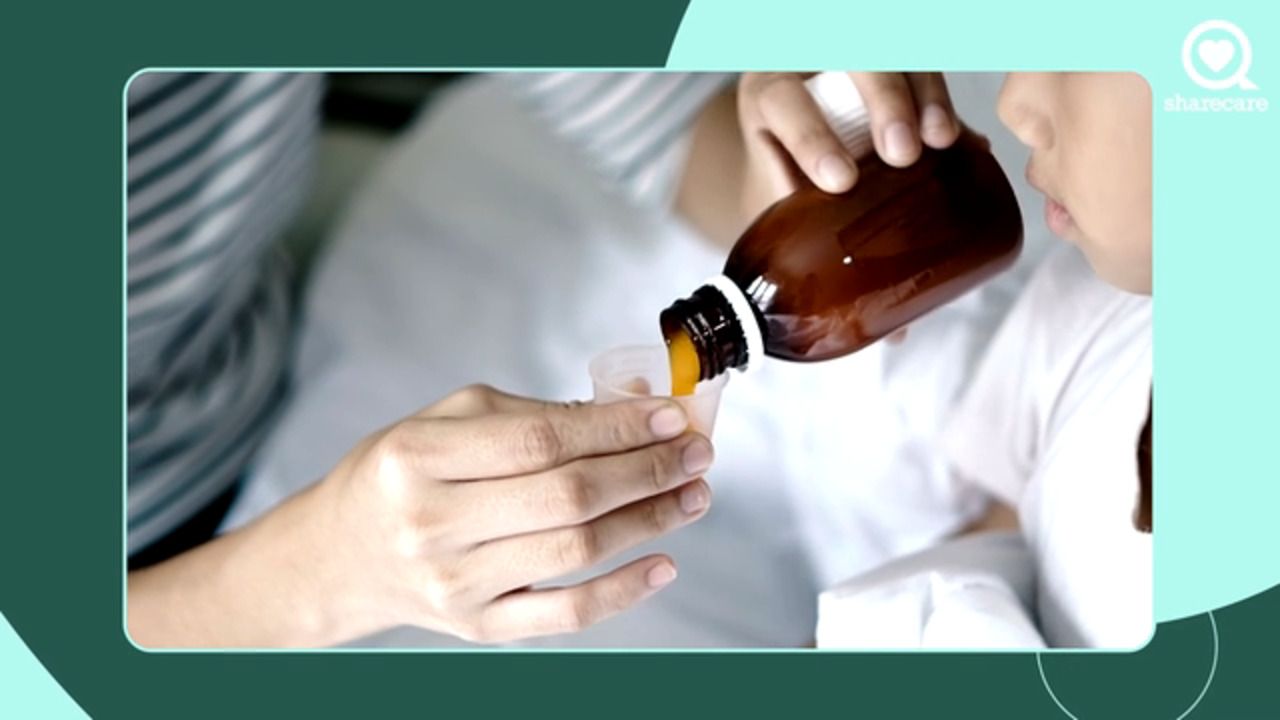
Which pain reliever do you reach for when your child has a fever, an earache, or a headache? There's a good chance it's the same one your parents gave you.
Most pain relievers contain either ibuprofen (known by the brand names Advil or Motrin) or acetaminophen (Tylenol). While there's no shame in brand loyalty, it may not be the best strategy. Here are my tips for giving children ibuprofen or acetaminophen:
Never give your child any kind of aspirin
Not even baby aspirin, which is not for babies. I cannot stress this enough.
Aspirin can cause Reye's syndrome. Many of you might remember taking baby aspirin in your own childhood, but that was before we knew better.
Let me repeat: Baby aspirin is not for babies or kids under 16.
Always treat your child, not the fever
If your child has a mild fever but appears happy and playful, it is not necessary to give your child a fever reducer. Germs don't like higher body temperatures, so if your child is fighting an infection and does not seem uncomfortable, I'd skip the meds. The immune system has warmed up and is doing its work.
Do not give ibuprofen to infants under 6 months old
The same goes for kids who are dehydrated or vomiting. In these cases, ibuprofen can cause gastritis (inflammation of the stomach lining) and stomach pains.
Don't give your child acetaminophen unless you're certain of the dose
And never give it for more than five days in a row. With care, acetaminophen can usually be given to young kids, even infants, but always check with your pediatrician first.
Acetaminophen is used to treat mild to moderate pain and fever. It does have the benefit of coming in a suppository form, which can be helpful if your child is vomiting or refusing to take medications by mouth.
Note that acetaminophen doesn't have any anti-inflammatory properties, so it's not the best choice for treating infections or sports injuries.
As always, be very careful with dosing. If you give your child medicine on your own, always follow the dosing instructions on the label. In certain situations, your pediatrician might recommend a different dose of ibuprofen or acetaminophen than what the label recommends, depending on your child's condition. In that case, follow your doctor's instructions to the letter.
If your pediatrician recommends either Infants' Tylenol Drops or Children's Tylenol Liquid Medicine (both are acetaminophen), pay special attention to which product you're using and what the dose is. As always, use only the dispenser that's made for that product. The infants' drops come with a little dropper for dispensing and are more concentrated than the liquid medicine, which comes with a little cup. Don't mix up the meds or the dispensers. Overdosing can be toxic to the liver, which is one of the most frequent causes of medication-related death in children.
Talk to a pediatrician before giving more than one fever reducer
It can be risky to alternate them, especially if your child is dehydrated or has other medical problems. The drugs can react with each other to cause serious side effects, including kidney damage.
If you've already given your child ibuprofen for fever and want to add acetaminophen for pain, check with your pediatrician first. If they okay alternating the two, keep a written schedule so that you give the right one at the right time.
Sources: KidsHealth. Acetaminophen. April 2024. + 6
- KidsHealth. Acetaminophen. April 2024.
- KidsHealth. Ibuprofen. July 2025.
- Mayo Clinic. Reye’s Syndrome: Symptoms and Causes. July 30, 2024.
- UC Davis. Tips on fevers in children. Accessed March 26, 2026.
- MedlinePlus. Acetaminophen. October 15, 2025.
- Children’s Hospital of Orange County. Acetaminophen vs. Ibuprofen: A Guide for Parents. November 30, 2021.
- Kaiser Permanente. Acetaminophen and Ibuprofen: Guidelines for Parents. 2022.