

Children's healthPreventive care

Enterovirus D68: top 5 must-know facts

Understand the symptoms and ways to prevent this infection.


LearnInfectionsHand, foot and mouth diseaseEnterovirus D68: top 5 must-know facts
What are the symptoms, and how is it diagnosed?
How is it spread?
Can it be treated or prevented?
Should I be concerned?

1 of 5

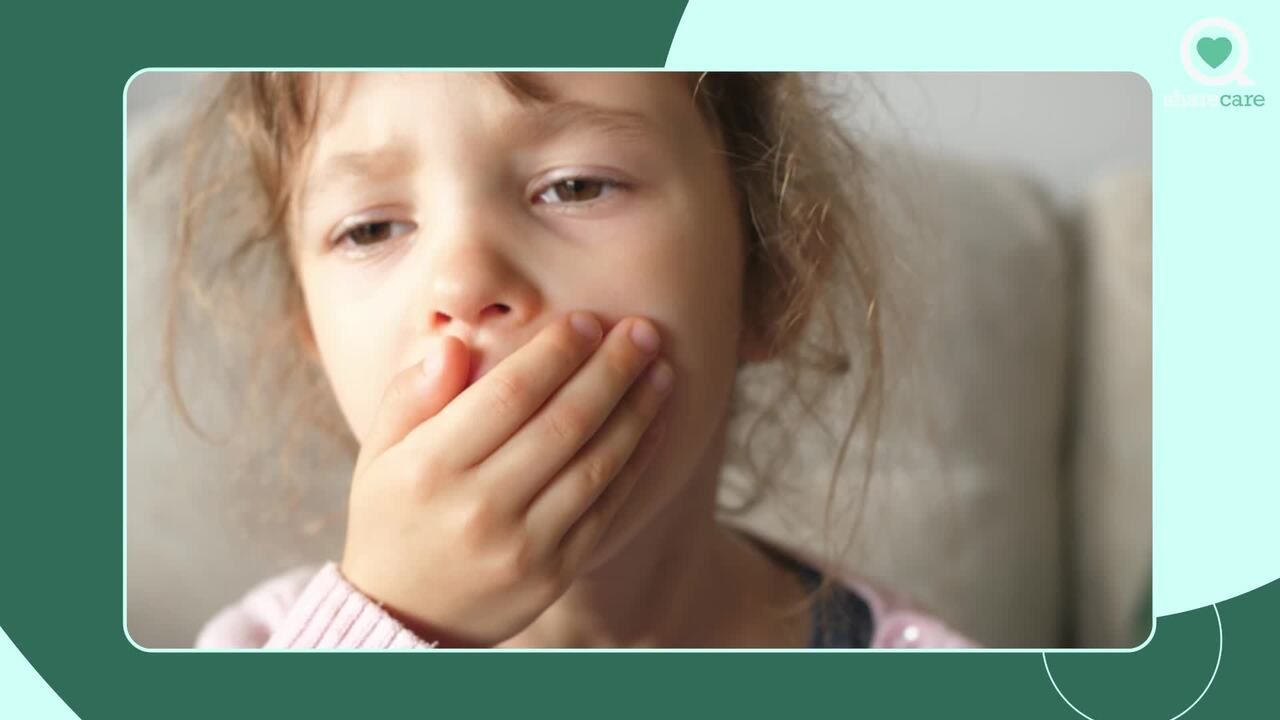
Enterovirus D68 (EV-D68) is one of more than 100 similar viruses called non-polio enteroviruses. Although many of these viruses are very common, only small numbers of EV-D68 infections have been seen in the United States since 1987. In 2014, a nationwide outbreak of EV-D68 affecting 1,395 people led to many cases of severe respiratory illnesses in children, especially among children with asthma. Outbreaks occurred again in 2016 and 2018. The 2018 outbreak caused 96 percent of people diagnosed to be admitted to a hospital with 58 percent going to an intensive-care unit. The reason for these spikes in EV-D68 is unknown.

Recent research also indicates that EV-D68 is the probable cause of a spike in cases recorded in 2018 of acute flaccid myelitis (AFM), a polio-like condition that causes sudden weakness in the arms and legs.

Sources: Centers for Disease Control and Preventi... + 1
  1. Centers for Disease Control and Prevention. Enterovirus D68. Last reviewed: August 11, 2021.
  2. Fall A, Kenmoe S, Ebogo-Belobo et al. (2022) Global prevalence and case fatality rate of Enterovirus D68 infections, a systematic review and meta-analysis. PLoS Negl Trop Dis 16(2): e0010073.
Written by Michael Gollust.
Medically reviewed by Ann Wendling, MD, MPH.March, 2024
Updated onAugust, 2026
Written by Michael Gollust.
Medically reviewed by Ann Wendling, MD, MPH.March, 2024
Updated onAugust, 2026
AskMDAskMD

Curious about Children's health?

Get instant answers from our AI health assistant

Ask Now

Recommended for you

Learn what this virus is, symptoms to watch for, how it's treated, and ways to protect children from infection.

Enterovirus D68: What parents need to know
Article

Learn about the symptoms of this infection and what it means for kids with asthma.

6 ways to protect kids with asthma from EV-D68
Slideshow

Hygiene tips that can help protect children from Enterovirus D68 include thorough hand washing, not touching the face, and keeping kids home if they are sick. Watch pediatric infectious disease specialist Gail Shust, MD, share some prevention advice.

What hygiene tips can help protect my child from Enterovirus D68?
Video

Get the truth about the disease that’s been making a worrisome comeback.

5 important facts about measles
Slideshow

The most common symptoms of Enterovirus D68 are fever, sneezing, runny nose, cough and body aches; plus, some kids may wheeze and have muscle weakness. Lisa Thornton, MD, explains these symptoms and what to look out for.

What are common symptoms of Enterovirus D68?
Video
AskMDHow can I be more consistent?
AskMD by Sharecare LogoAskMD by Sharecare Logo
Privacy policyConsumer health data privacyTerms of use
Cookie policyYour privacy choices

© 2026 Sharecare, Inc.

ask-mdask-md
AskMD by Sharecare LogoAskMD by Sharecare Logo
Privacy policyConsumer health data privacyTerms of use
Cookie policyYour privacy choices

© 2026 Sharecare, Inc.