

While many bug bites cause only minor irritation, some can spread diseases like West Nile, Zika, dengue, and Lyme disease. In fact, between 2001 and 2023, illnesses transmitted by ticks, mosquitoes, and fleas—also known as vector-borne illnesses—more than doubled in the United States, according to the Centers for Disease Control and Prevention (CDC). More than 1 million cases of vector-borne illnesses were noted, though the real numbers were likely higher, since infections often go unreported.
All in all, vector-borne illnesses account for more than 700,000 deaths around the globe each year, according to the World Health Organization. So, preventing the spread is critical.
Protect yourself against vector-borne illnesses
Start protecting yourself now by trying these tips to help stave off insect bites.
Wear insect repellent
Choose a repellent with at least 20 percent DEET. Repellents registered with the Environmental Protection Agency (EPA) are safe and effective, even for pregnant and breastfeeding women. This EPA tool can help determine the right one for you.
Make sure to apply it correctly. During the summer, sunscreen and bug spray are often applied together. If using both, put on sunscreen first, wait until it has dried, and then apply insect repellent. Mosquitoes can bite through some clothing, so always spray on top of your clothes and never under them. Bug spray with DEET won’t damage cotton, wool, or nylon, but you shouldn’t apply to spandex, rayon, and other synthetic materials. Finally, avoid spraying insect repellent directly into your face. Instead, spray it into your hand and rub it into your face, neck, and head. When applying it to children, spray it into your hand first before applying anywhere on the body.
Wear protective clothing
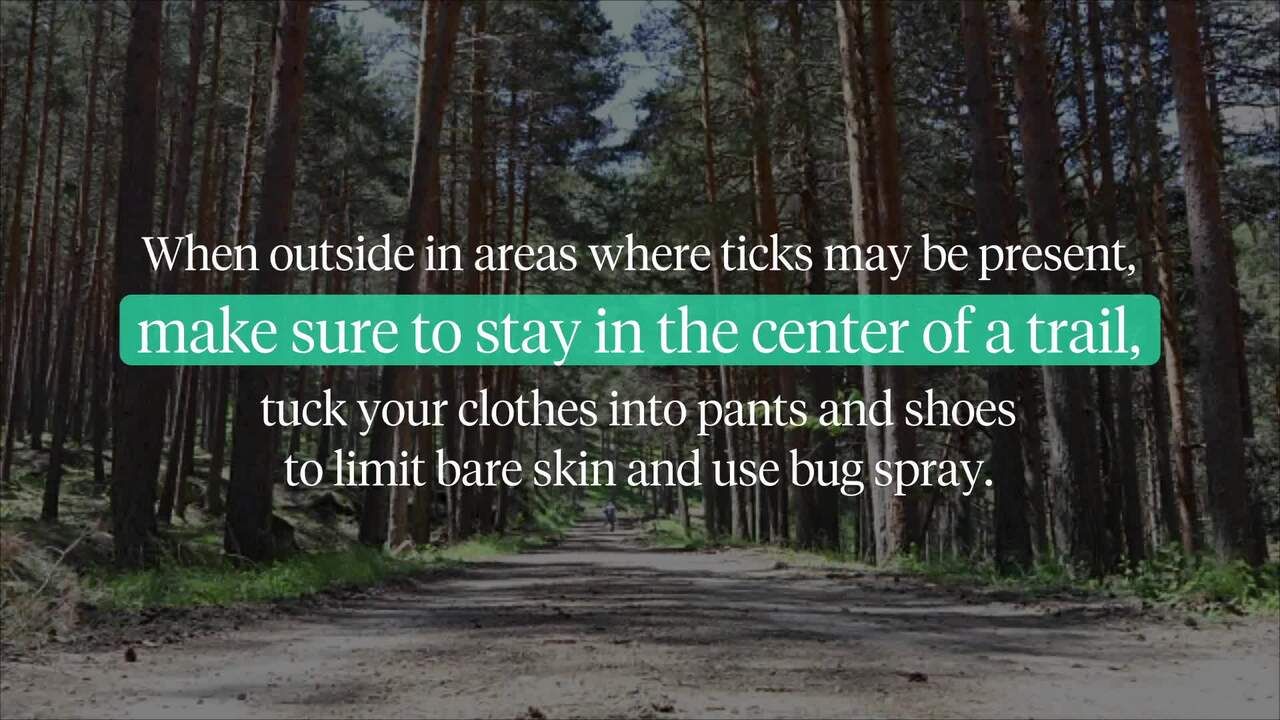
Cover skin with clothing like pants, long-sleeve tops, socks, and closed shoes, especially when venturing into densely wooded areas. Wearing permethrin-treated clothing and gear adds another layer of protection against bug bites.
Keep bugs out of your home
Make sure window screens are free of holes or gaps. If you can, use air conditioning instead of keeping windows open. If air conditioning is not an option or you are sleeping outdoors, cover your sleeping area with a mosquito net.
Protect your pets, too. Talk with your veterinarian about flea and tick repellents for your pet. Check pets for ticks daily, especially if they go outside.
Stay informed about outbreaks and travel warnings by checking the CDC website regularly.
Spot the signs of vector-borne illness
Not all bug bites are preventable, even with the proper precautions, so knowing the signs of common vector-borne illnesses is important.
Lyme disease
Early signs of this tickborne illness include headache, fatigue, and muscle and joint aches. Affected people may also experience a red, bullseye-shaped rash at the bite site. Left untreated, Lyme disease can lead to facial paralysis and arthritis, especially in large joints like the knee.
West Nile virus
Most people—about 80 percent of those with the virus—will not experience any symptoms. Although uncommon, some symptoms include fever, headaches and body aches, rash, vomiting, and diarrhea. In more serious cases, about 1 in every 150 people will experience brain or spinal cord swelling characterized by disorientation, neck stiffness, vision loss, paralysis, or convulsions.
Dengue
Dengue is a tropical virus that makes its way into the U.S. through places like Florida and Texas. This illness is diagnosed when a high fever and at least two other symptoms—including headache, joint pain, rash, or severe eye pain—are present. If these symptoms are accompanied by difficulty breathing, vomiting blood, and severe abdominal pain, seek immediate medical attention.
Zika
Most cases of the virus are symptomless, but some people may experience mild discomfort, like fever, rash, headache, or muscle and joint pain that lasts for several days to a week. If you experience these symptoms and live in or have traveled to an affected area, see a physician or other healthcare provider (HCP). This is especially crucial for pregnant women. Zika can be passed to a fetus, causing severe brain birth defects, including microcephaly.
If you have recently been bitten and begin to feel ill, it's best to get an HCP’s opinion.
What health officials are doing
The CDC recommends that state and local health agencies take more action toward becoming better prepared for outbreaks. Their suggestions include implementing programs designed to test ticks and mosquitoes and track the spread of disease.
Health agencies are also encouraged to educate the public about ways to prevent bites.
Sources: Centers for Disease Control and Preventi... + 10
- Centers for Disease Control and Prevention. About Vector-Borne Diseases. June 26, 2024.
- World Health Organization. Vector-Borne Diseases. September 26, 2024.
- Centers for Disease Control and Prevention. Prevent Mosquito Bites. August 28, 2024.
- Centers for Disease Control and Prevention. Preventing Tick Bites. August 28, 2024.
- Centers for Disease Control and Prevention. How to Prevent Mosquito and Tick Bites. January 30, 2025.
- Centers for Disease Control and Prevention. Preventing Ticks on Pets. May 15, 2024.
- Centers for Disease Control and Prevention. Signs and Symptoms of Untreated Lyme Disease. May 15, 2024.
- Centers for Disease Control and Prevention. Symptoms of West Nile. June 16, 2026.
- New York State Department of Health. West Nile Virus – Frequently Asked Questions. Accessed August 5, 2026.
- Centers for Disease Control and Prevention. Symptoms of Dengue and Testing. August 7, 2025.
- Centers for Disease Control and Prevention. Zika Symptoms. January 30, 2025.