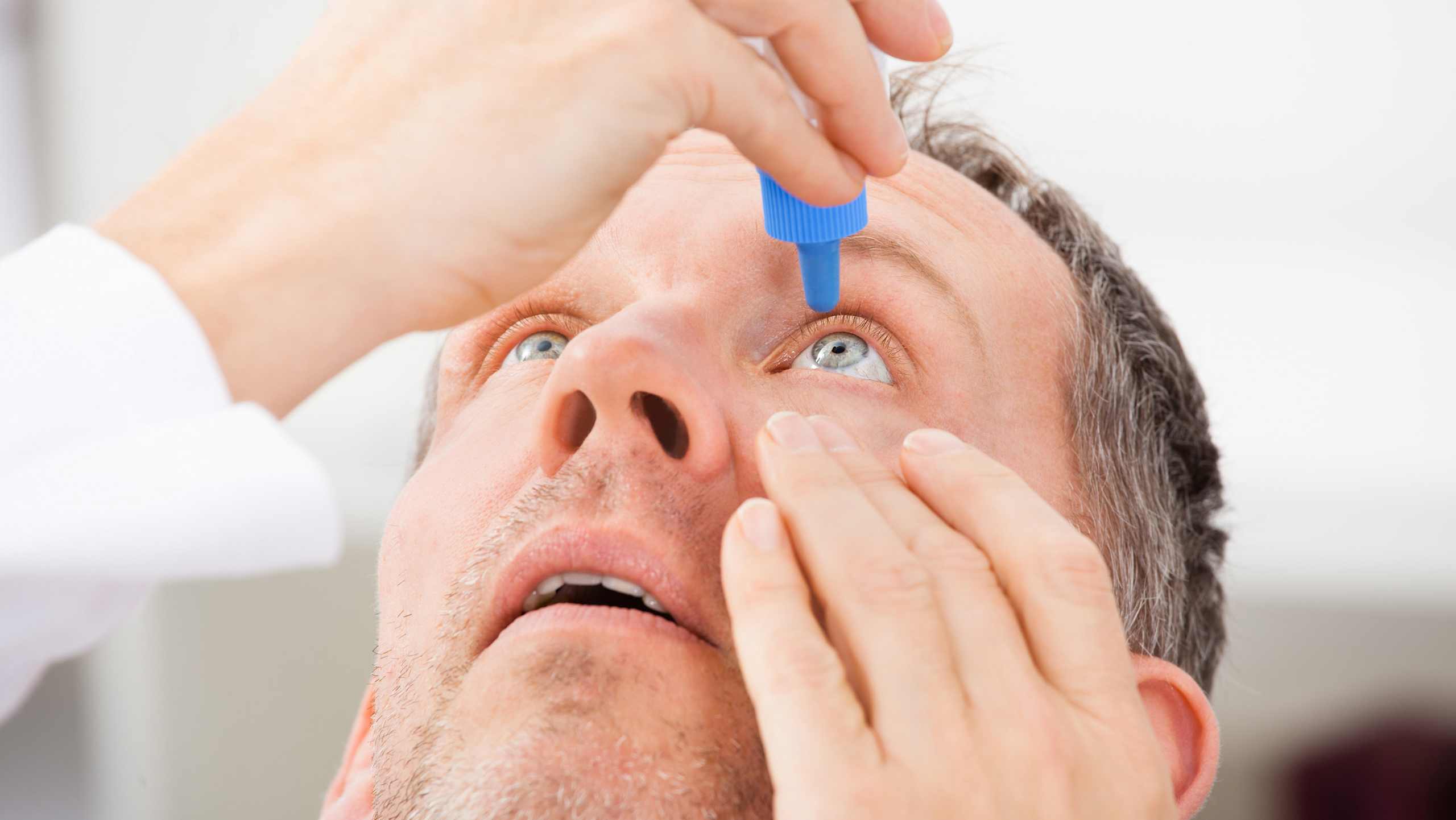


Sjögren’s syndrome (also called Sjögren’s disease) is an autoimmune disorder where the body’s immune system attacks and destroys the glands that produce tears and saliva. The most common symptoms are dry eyes and dry mouth, which can range from mild to severe. The eyes can itch, burn, and feel gritty (like grains of sand are stuck inside the eyelids). Dry mouth can affect speaking, swallowing, and eating, and can cause gum disease and tooth decay.
Symptoms typically begin between the ages of 45 and 55, and the disease is much more common in females. Approximately 90 percent of people diagnosed are female. The cause of Sjögren’s syndrome is unknown, but like other autoimmune diseases, it is believed to result from a combination of genetics and environmental factors.
Sjögren’s syndrome can occur on its own or occur alongside other autoimmune or immune-mediated disorders, such as rheumatoid arthritis, systemic lupus erythematosus, and systemic sclerosis. This is referred to as secondary Sjögren or Sjögren-overlap syndrome.
Sjögren’s syndrome can affect many areas of the body
While Sjögren’s syndrome primarily damages tissues in the tear ducts and salvatory glands, it is a systemic disease that can affect many different parts of the body. This includes the skin, joints, gastrointestinal tract, kidneys, lungs, and nervous system. Up to one-half of people with Sjögren’s syndrome experience symptoms beyond dry eyes and dry mouth.
Additional symptoms of Sjögren’s syndrome can include:
- Persistent fatigue
- Muscle pain
- Joint pain and swelling (arthritis)
- Dry skin
- Swollen glands
- Skin rashes on the hands and feet
- Numbness, pain, and tingling
- Raynaud phenomenon, where the hands and feet change color when exposed to cold
- Persistent dry cough
- Vaginal dryness
- Painful urination
- Nausea
- Irregular heartbeat
- Headaches/migraines
Symptoms and the severity of symptoms will vary from person to person, and it’s important to know what symptoms to watch for beyond dry eye and dry mouth. Patient education is an essential part of managing this disorder, and all people living with Sjögren’s syndrome should discuss potential symptoms with a healthcare team.
Complications of Sjögren’s syndrome
Sjögren’s syndrome can lead to complications, especially if untreated or undertreated. These include complications related to dry eyes and dry mouth as well as complications related to the disease’s impact on other areas of the body.
Complications of Sjögren’s syndrome can include:
- Damage to the eyes that causes scarring and vision loss.
- Dental problems, including gum disease, tooth decay, and recurring oral thrush (a fungal infection in the mouth).
- Respiratory problems and illnesses, such as pneumonia, bronchitis, and pulmonary hypertension (high blood pressure in the lungs).
- Neurological problems, including problems with the central nervous system (brain and spinal cord) and peripheral nerves (nerves outside the brain and spinal cord). These can include pain, tingling, and numbness in many different parts of the body, as well as problems with thinking, memory, balance, coordination, and loss of sensation.
- Blood disorders, including low amounts of red blood cells, white blood cells, platelets, and antibodies. Sjögren’s syndrome can also lead to cryoglobulins, abnormal proteins that can clump together and block blood flow when exposed to cold temperatures.
- Problems with other organs, including a loss of kidney function and cirrhosis (scarring) of the liver.
Compared to the general population, people with Sjögren’s syndrome are also at a higher risk of developing non-Hodgkin lymphoma (NHL), a type of cancer where the body produces cancerous white blood cells.
It’s recommended to keep a symptom journal, recording notes on how you feel day to day. This can help you identify changes in how you feel and new symptoms. Any new symptoms should be discussed with a healthcare provider as soon as possible.
What healthcare providers treat Sjögren’s syndrome?
There is no cure for Sjögren’s syndrome, and treatment focuses on reducing and managing symptoms as well as addressing any complications or health concerns that arise. Treatments can include eye drops, saliva substitutes, and medications that help the body produce more saliva. It can also include procedures to plug or seal the tear ducts, medications to help with other symptoms, and drugs that act on the immune system to reduce disease activity. Treatment will vary from one person to another.
Your best source of information will be a healthcare provider. Treatment for Sjögren’s syndrome is usually overseen by a rheumatologist, a medical doctor that specializes in the diagnosis and treatment of autoimmune disorders. Other key members of a healthcare team include a primary care provider, ophthalmologist, and dentist.
Sources: MedlinePlus Encyclopedia. Sjogren syndro... + 14
- MedlinePlus Encyclopedia. Sjogren syndrome. April 1, 2025.
- Johns Hopkins Sjögren’s Center. Sjögren’s Disease Information. Accessed March 24, 2026.
- Johns Hopkins Medicine. Sjögren's Syndrome Symptoms. Accessed March 24, 2026.
- Sjögren's Foundation. Sjögren's Disease Fast Facts. Accessed March 24, 2026.
- Steven E. Carsons and Marissa A. Blum. Sjogren Syndrome. StatPearls. July 6, 2025.
- National Institute of Dental and Craniofacial Research. Sjögren's Disease. February 2026.
- Sjögren's Foundation. Headaches and Sjögren’s. Accessed March 24, 2026.
- National Institute of Arthritis and Musculoskeletal and Skin Diseases. Sjögren’s Disease. June 2024.
- Sjögren's Foundation. Start 2026 Strong: Your Annual Sjögren’s Care Checklist. January 12, 2026.
- Mayo Clinic. Sjogren's syndrome. August 2, 2022.
- Sjögren's Foundation. Nervous System and Sjögren’s Disease. Accessed March 30, 2026.
- Robert B. Killeen, Mashal Awais, and Beverly A. Mikes. Cryoglobulinemia. StatPearls. March 28, 2025.
- Sjögren's Society of Canada. Management of Lymphoma and Other Cancers in Sjögren’s. February 1, 2026.
- American Cancer Society. What Is Non-Hodgkin Lymphoma? Accessed March 30, 2026.
- Johns Hopkins Sjögren’s Center. Treatment of Sjögren’s Disease. Accessed March 24, 2026.