Rare Disease Roadmap: C3G & Primary IC-MPGN
Journey Overview
Complement 3 glomerulopathy (C3G) and primary immune complex-mediated membranoproliferative glomerulonephritis (primary IC-MPGN) are rare kidney diseases. While separate conditions, both C3G and primary IC-MPGN overlap in underlying causes, symptoms, complications, and treatment. Both are related to abnormal immune system activity, and both cause inflammation and damage to the glomeruli, delicate filtering units inside the kidneys. As glomeruli become damaged, the kidneys lose function.
If you or a loved one is living with C3G or primary IC-MPGN, this guide provides information to help you better understand the healthcare providers that you will work with, the questions you should be asking at appointments, and how these rare kidney diseases can be managed.

Your Comprehensive Care Team
People who are living with C3G or primary IC-MPGN will work with a team of healthcare providers with different specialties. This team can include:


Nephrologist
Also known as a “kidney doctor,” a nephrologist is a medical doctor who specializes in diseases that affect the kidneys. A person diagnosed with C3G or primary IC-MPGN will work with a nephrologist, who will oversee treatment and coordinate with other members of a healthcare team.


Primary Care Provider
Primary care providers address routine healthcare needs, such as checkups, treatment of illness or injury, and preventive care like vaccinations. This may be a Doctor of Medicine (MD), Doctor of Osteopathic Medicine (DO), Nurse Practitioner (NP), or Physician Assistant (PA).


Renal Dietitian
People living with C3G and primary IC-MPGN may need to make changes to their diet, monitoring and limiting their intake of sodium, protein, and fats. You may be referred to a renal dietitian, a registered dietitian that specializes in working with people living with kidney disease.


Additional Members
Kidney disease can affect many aspects of a person’s health. People living with C3G or primary IC-MPGN may also work with additional specialists, such as a cardiologist and/or an ophthalmologist (eye doctor). As with any condition, nurses will play an important role in treatment.
C3G Treatment Options
- Treatment will depend on the diagnosis, but treatments for C3G and primary IC-MPGN can overlap.
- Medications to control blood pressure, reduce protein in the urine, and lower cholesterol can help slow the progression of kidney damage.
- Treatment can include drugs that act on the immune system, such as complement inhibitors and corticosteroids.
- Changes to diet and other lifestyle modifications may be recommended.
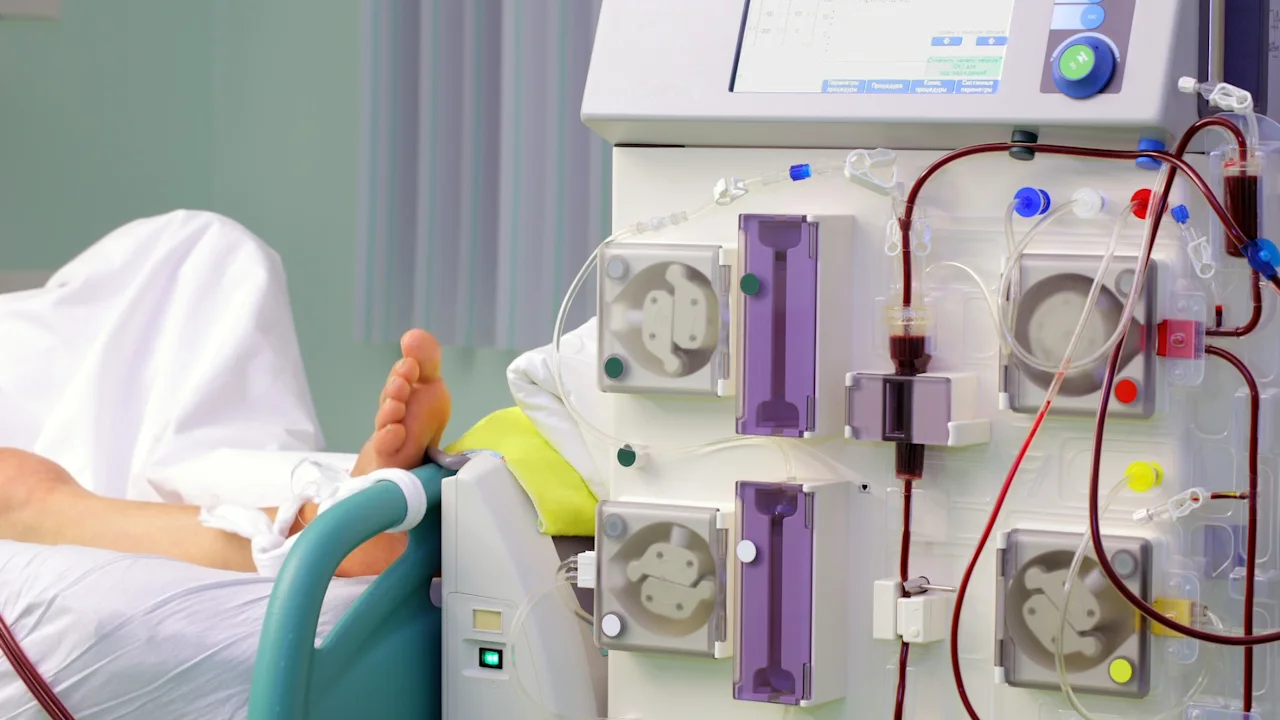
- If kidney failure occurs, it will need to be treated with dialysis and/or kidney transplantation.


C3G and IC-MPGN are rare diseases, and it’s important to work with healthcare providers who are experienced in treating rare kidney diseases. It’s also important to learn as much as you can about your diagnosis, your kidneys, and the medications you are taking.

The Conversation: Questions for Your Healthcare Team
Good communication with your healthcare team will help you get the most from treatment. Keep a symptom journal. Prepare for your appointments by writing down a list of questions and topics you want to cover. These questions can help you get started:
What are the most important things for me to know about my diagnosis? Where can I learn more about my diagnosis?
What do these numbers mean and why are they important to my kidneys?
- Glomerular filtration rate (GFR)
- Urine albumin level
- Blood pressure
Ask your provider to explain the results of any tests, including:
- Blood tests
- Urine tests
- Kidney biopsy
- Genetic testing
What treatment do you currently recommend? Ask these questions for every therapy you are prescribed.
- Why do you recommend this treatment?
- How does this treatment work?
- What is the goal of this treatment?
- How long will I be on this treatment?
- What are the potential side effects?
What can I do to prevent damage to my kidneys?
- What things should I limit, avoid, or change?
- Where can I learn more about how to care for my kidneys?
What new symptoms, changes in symptoms, and complications do I need to watch for?
- When do I need to call you?
- When do I need to seek emergency care?
Are there other healthcare providers I should be working with?
Will you communicate with my other healthcare providers? Ask what you can do to make sure your primary care provider and any specialists you are seeing are up to date on your current diagnosis and treatment.
Who can I talk to if I have concerns about the cost of treatment?
Your appointment is an opportunity to learn more about your diagnosis. If you have a question, ask. If something isn’t clear, ask for an explanation.
More Information for Patients and Caregivers
Article
What are the complications of C3 glomerulopathy?
For anyone living with C3 glomerulopathy, preventing these complications will be an important goal of treatment.

Article
The importance of comprehensive care for C3G and primary IC-MPGN
Why these rare kidney diseases require coordinated and comprehensive treatment from a multidisciplinary team.

Article
What tests are used to monitor C3G and IC-MPGN?
An overview of the tests that help check how these rare kidney diseases are responding to treatment.

Article
C3 glomerulopathy: A guide to the kidneys
An overview of how the kidneys work and how C3 glomerulopathy causes a loss of kidney function.

Article
What are the complications of IC-MPGN?
For anyone living with IC-MPGN, preventing these complications will be an important goal of treatment.

Article
C3G and IC-MPGN: Understanding the complement system
C3G and IC-MPGN are complement-mediated renal diseases, kidney diseases caused by problems with the complement system.
Join the Social Conversation:
#c3g #c3glomerulopathy #mpgn #primarympgn #kidneydisease #kidneydiseaseawareness