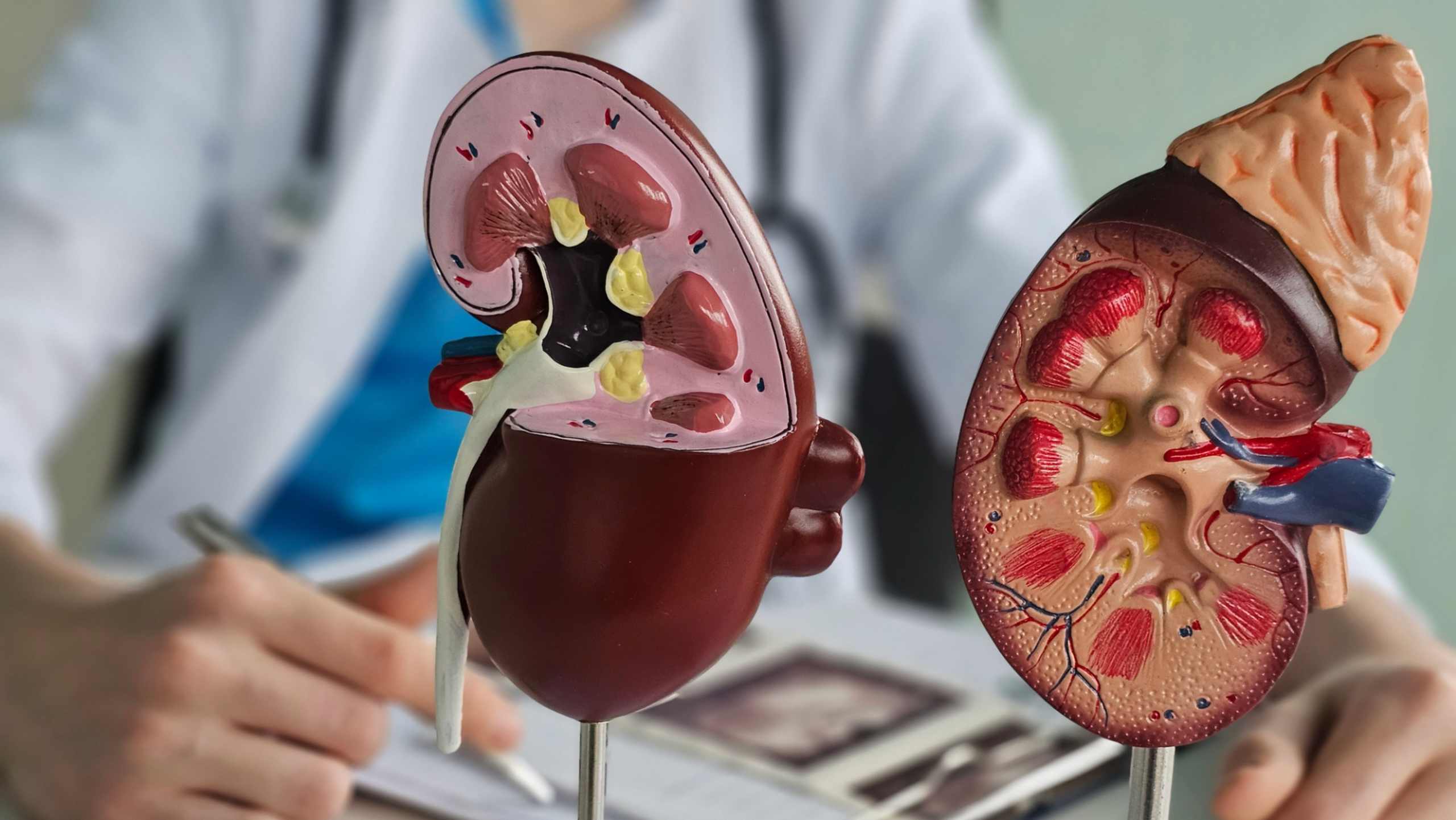
The kidneys are a pair of organs that act as filters for the blood. Each kidney contains about a million filtering units made up of networks of very small blood vessels, called glomeruli. As blood moves through these networks, some substances are filtered out of the blood, while other substances remain in the bloodstream.
When the kidneys are healthy, excess fluid, cellular waste, and excess salts are filtered out and become urine. Proteins, blood cells, and other substances the body needs remain in the bloodstream.
When the kidneys are damaged, problems occur. Blood and protein can leak into the urine. Excess fluid and salts can remain in the blood, raising blood pressure and causing more damage to the kidneys.
What is immunoglobulin A nephropathy (IgAN)?
Immunoglobulin A nephropathy (IgAN) is a type of kidney disease. Though it is less common than other types of kidney disease it is a leading cause of inflammation and damage to the glomeruli.
The underlying cause of IgAN is a problem with the immune system that results in the formation of large immune complexes. These are clumps of proteins that become stuck inside the tiny blood vessels of the glomeruli. As the immune system attempts to remove these blockages, the glomeruli become inflamed and damaged.
Roughly 90 percent of IgAN have no identifiable cause. Some cases are associated with an underlying health condition or as a side effect of taking certain medications.
What are the symptoms of IgAN?
IgAN affects different people in different ways. Some people have no symptoms or only mild symptoms, while others experience a rapid progression of kidney damage that leads to kidney failure.
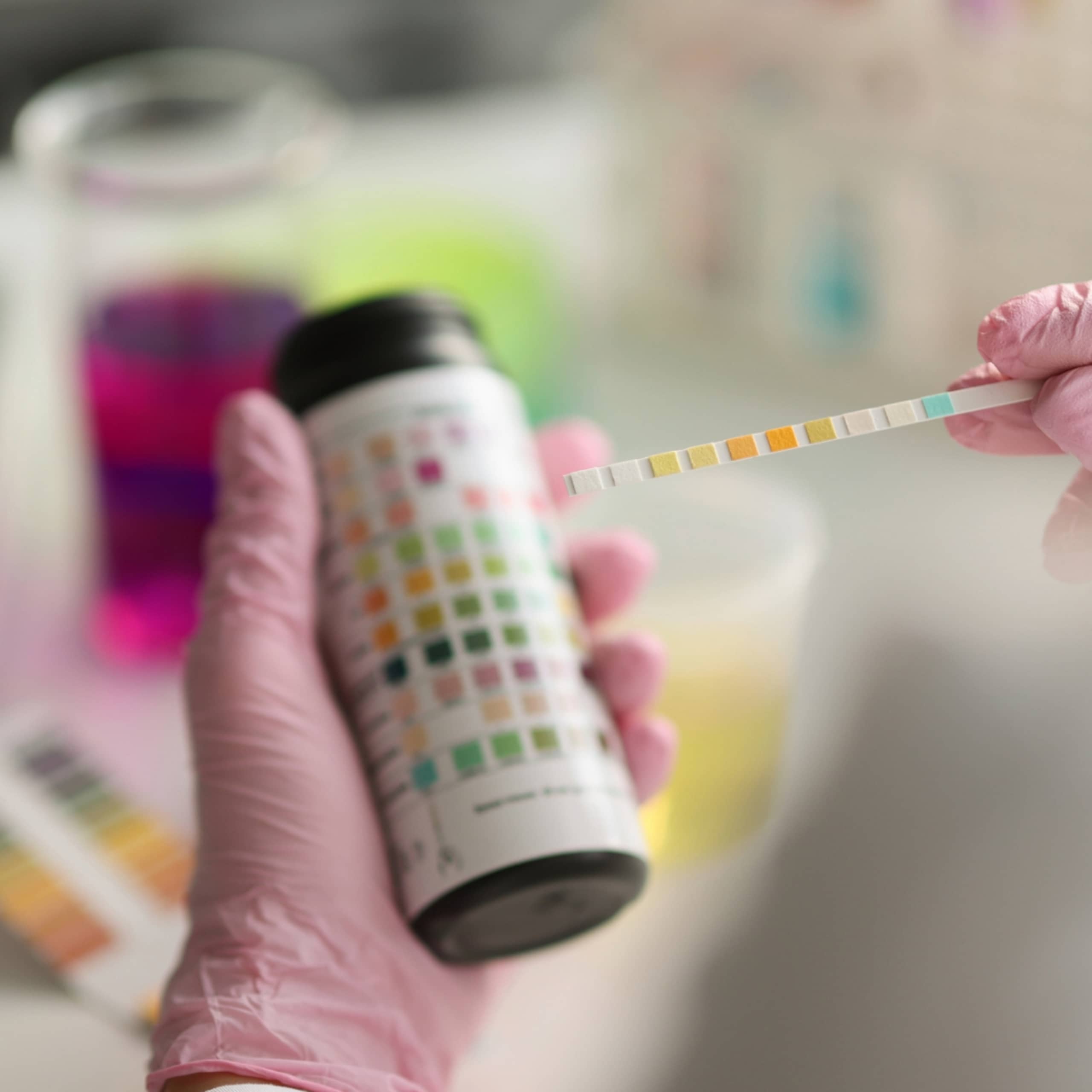
Even without symptoms, the first signs of IgAN can be detected during urinalysis, a urine test that is often used in routine health exams. Urinalysis can detect the presence of blood and protein in the urine (hematuria and proteinuria) even when urine appears normal.
When symptoms of IgAN are present, they can include:
- Blood in the urine. This is typically the first symptom.
- Other changes in urine. These include foamy urine and/or changes in urine color. Urine can appear pink, dark brown, cola-colored, or tea colored. This is caused by protein and/or blood leaking from damaged glomeruli into the urine.
- High blood pressure. Mentioned above, excess fluid and salts that remain in the blood can raise blood pressure.
- Edema: This is swelling due to fluid buildup. Common affected areas include the feet, ankles, lower legs, belly, and face. Edema in the face can look or feel like puffiness around the eyes and is common in the morning.
- Pain in the lower back. The kidneys are located in the lower back, below the bottom ribs, along either side of the spine. IgAN can cause pain in this area.
What are the symptoms of kidney failure?
While a person can have IgAN for years without any noticeable symptoms, damage can accumulate in the kidneys during that time.
Some people with IgAN progress to end-stage renal disease, or kidney failure. At this stage, the kidneys are no longer functioning enough to keep a person alive, and the only treatment options are dialysis and/or kidney transplant.
Symptoms of end-stage renal disease include
Significant damage to the kidneys can result in additional symptoms:
- An inability to urinate, or producing little to no urine
- Loss of appetite, nausea, and/or vomiting
- Itching and numbness
- Muscle cramps
- Unintentional weight loss
- Difficulty sleeping
- Fatigue and weakness
- Shortness of breath
- Problems with concentration, thinking, and memory
Symptoms of a medical emergency
Call 911 or go to the nearest emergency room if you or a loved one experience:
- Chest pain
- Difficulty breathing
- Loss of consciousness
- Seizures
- A sudden inability to urinate
- Rapid swelling
- Blood clots in urine
Most people with IgAN do not progress to this stage of the disease, and preventing severe complications is a major goal of treatment.
There is no cure for IgAN, but there are medications that can help control blood pressure, proteinuria (protein in the urine), and inflammation, which help protect and preserve kidney function. Reducing sodium intake, as well as other diet and lifestyle changes (like quitting smoking, for anyone who smokes) are also recommended.
A healthcare provider will be your best source of information about treatment, dietary guidelines, and other steps to take to protect your kidneys.