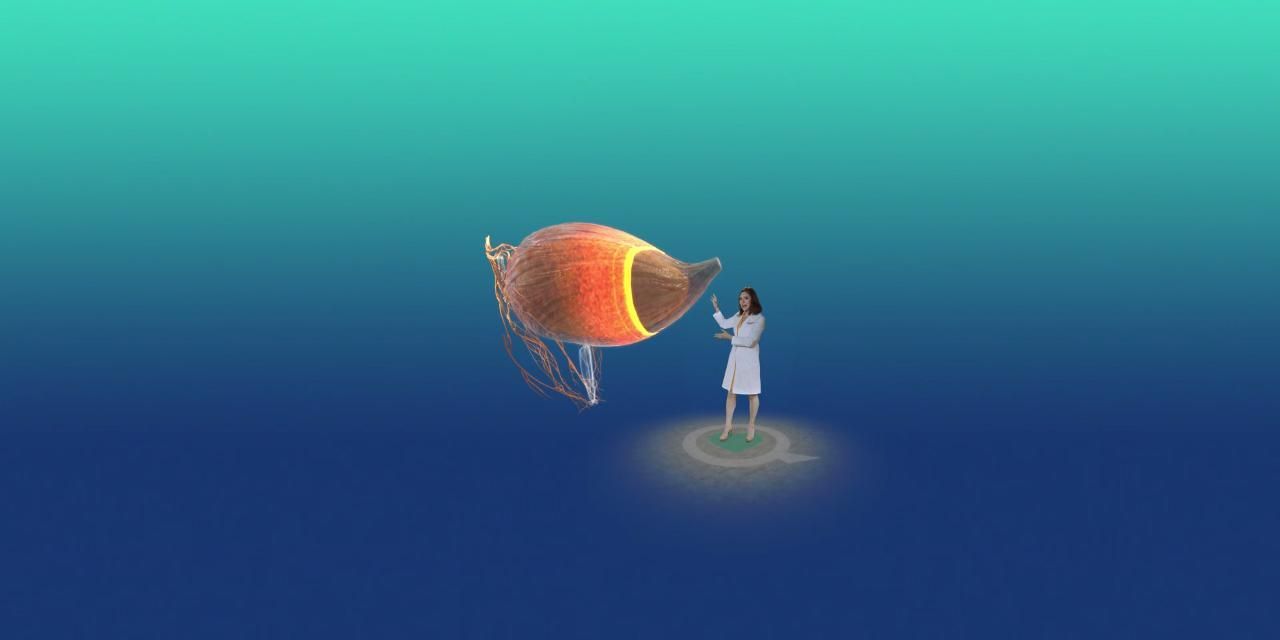


If you find yourself planning trips around bathroom access or getting up multiple times at night to urinate, you may have a condition known as overactive bladder (OAB). But there are many things aside from OAB that cause excess urination. These range from benign causes, like drinking too much fluid, to serious conditions, such as diabetes or prostate issues.
“The number of different possibilities is just enormous,” says Heather Wargo, MD, a urologist based in Burlington County in New Jersey. “In order to treat, you have to get at the root cause.”
Signs and symptoms of overactive bladder
Certain symptoms surrounding how and when you urinate are markers of OAB. These symptoms include:
- Having an urgent need to urinate very suddenly
- Leakage of urine (incontinence) after suddenly having to urinate
- Urinating eight times or more per day
- Urinating two times or more per night
“When someone comes in and they say they pee all the time, I ask them what they mean by ‘all the time,’” says Dr. Wargo. “I have them guess and then keep a diary.” Wargo says she wants to know how often the person is going, and how much at a time. For example, urinating 8 to 12 ounces at a time—a normal bladder volume—will provide a urologist different clues than urinating 2 to 4 ounces at a time.
Other possible causes of frequent urination
Aside from OAB, the following conditions and health issues may cause frequent urination. A healthcare provider (HCP) can do a physical exam and testing and talk with you about your symptoms to help determine the exact cause.
Urinary tract issues
A leading cause of frequent urination is urinary tract infection, which occurs when bacteria infect the kidneys, bladder, or urethra. Certain genitourinary issues affecting women may also increase the need to urinate. These include yeast infections, vaginal inflammation, and uterine prolapse, when the uterus shifts out of place due to weakened muscles.
Diabetes mellitus
Diabetes mellitus, which includes type 1 and type 2 diabetes, is characterized by too much sugar in the blood. Excessive urination is a hallmark. “If the sugar is not controlled, the body gets rid of the excess sugar in urine. The sugar drags water along with it, so you produce more urine,” Wargo says. Other diabetes mellitus symptoms include unexplained weight loss, blurry vision, and excessive thirst.
Pregnancy
During the first trimester of pregnancy, increased production of certain hormones can cause more frequent urination. As the fetus grows in the third trimester, they may push on the bladder and make it more difficult to hold in urine.
Neurological conditions
Neurological conditions that can affect the bladder include multiple sclerosis, Parkinson's disease, brain tumor, and spinal cord injury. A stroke can also cause you to urinate a lot. “There’s feedback between the sensation of fullness in the bladder and control from the brain,” Wargo says. If the stroke happens in a part of the brain that affects bladder control, your brain could tell your bladder to empty too often or cause incontinence. “Often with stroke, there’s initially nonfunctioning of the bladder, and then five to six weeks later, the bladder becomes hyperactive,” she adds.
Medications and diet
Some medications can increase urination. For example, diuretics signal the kidneys to remove excess salt and water, which will be secreted as part of urine. Foods such as caffeine, carbonated beverages, alcohol, spicy foods, citrus, sugar, chocolate, and artificial sweeteners can also make you urinate more often.
Drinking lots of fluid
This is probably the simplest cause. “The more you drink, the more you’ll have to go,” says Wargo.
Nighttime urination causes
Several health conditions may cause nocturia, or nighttime urination, including high blood pressure and diabetes. Wargo calls out two other conditions that could cause frequent urination at night: heart failure and sleep apnea. With congestive heart failure, fluid builds up in the tissues but drains out and becomes urine when you’re lying down (such as when you’re sleeping). Sleep apnea is when your breathing is restricted, or you stop breathing when you sleep. It can trigger a reaction that signals the kidneys to produce more urine.
Bowel problems
Bowel issues such as constipation can also lead to frequent urination. "I always ask [people] about their bowel habits, as this can certainly affect the urinary pattern,” Wargo says.
A mass or obstruction
These may include the following.
- Pelvic masses like tumors or cysts can obstruct or irritate the bladder.
- Blockages in the urethra (the tube through which you urinate) can irritate the bladder or cause it to not empty fully.
- Though comparatively rare, bladder cancer can irritate the bladder, block the urethra, or affect the bladder wall.
Prostate enlargement
An enlarged prostate can obstruct and irritate. This may result in urinating in smaller amounts more often, which can lead to weaker bladder muscles and an inability to empty the bladder.
When to see a healthcare provider
If you experience any of the following symptoms, reach out to your HCP right away:
- Urgency to urinate that’s not due to pregnancy or increased fluid intake
- Blood in your urine
- Cloudy urine
- Incontinence
- Increased thirst, appetite, or fatigue
- A fever
- Back or side pain
- Sudden weight loss
- Vomiting
- Lifestyle changes due to your symptoms
Your HCP or a urologist can perform tests to help find out what’s causing your symptoms. These tests may include:
- Urinalysis to examine your urine for chemical changes, physical changes, or certain substances (like crystals)
- Urine culture to check for bacteria or other germs in the urine
- Tests to measure the pressure and flow of urine in your bladder
- Nervous system tests for those with an urgency to urinate
- Cystoscopy (insertion of a tube with a camera through the urethra)
- Imaging tests like an ultrasound
“We want to make sure there’s no blood in the urine, you don’t have an infection, there’s no excessive sugar, and the kidney function’s OK, no mass around the ovaries or uterus,” says Wargo. “It might be as simple as going to your doctor, giving a urine sample, and getting lab work.”
Sources: MedlinePlus. Overactive Bladder. January... + 15
- MedlinePlus. Overactive Bladder. January 26, 2024.
- Cleveland Clinic. Overactive Bladder. September 13, 2022.
- MedlinePlus. Urine Culture. October 9, 2024.
- Mayo Clinic. Diabetes Symptoms: When Diabetes Symptoms Are a Concern. June 27, 2023.
- Cleveland Clinic. Diabetes. February 17, 2023.
- Cleveland Clinic. Frequent Urination. February 25, 2025.
- Cleveland Clinic. Neurogenic Bladder. February 15, 2022.
- National Institute of Diabetes and Digestive and Kidney Diseases. Diabetes Insipidus. September 2021.
- Mayo Clinic. Link Between Food and Bladder Symptoms. April 25, 2023.
- Cleveland Clinic. Nocturia. April 24, 2023.
- National Heart, Lung, and Blood Institute. What Is Sleep Apnea? January 9, 2025.
- National Institute of Diabetes and Digestive and Kidney Diseases. Enlarged Prostate (Benign Prostatic Hyperplasia). June 2024.
- MedlinePlus. Frequent or Urgent Urination. May 17, 2024.
- MedlinePlus. Urinalysis. February 2, 2023.
- MedlinePlus. Urine Culture. October 9, 2024.
- MedlinePlus. Cystoscopy. May 17, 2024.