

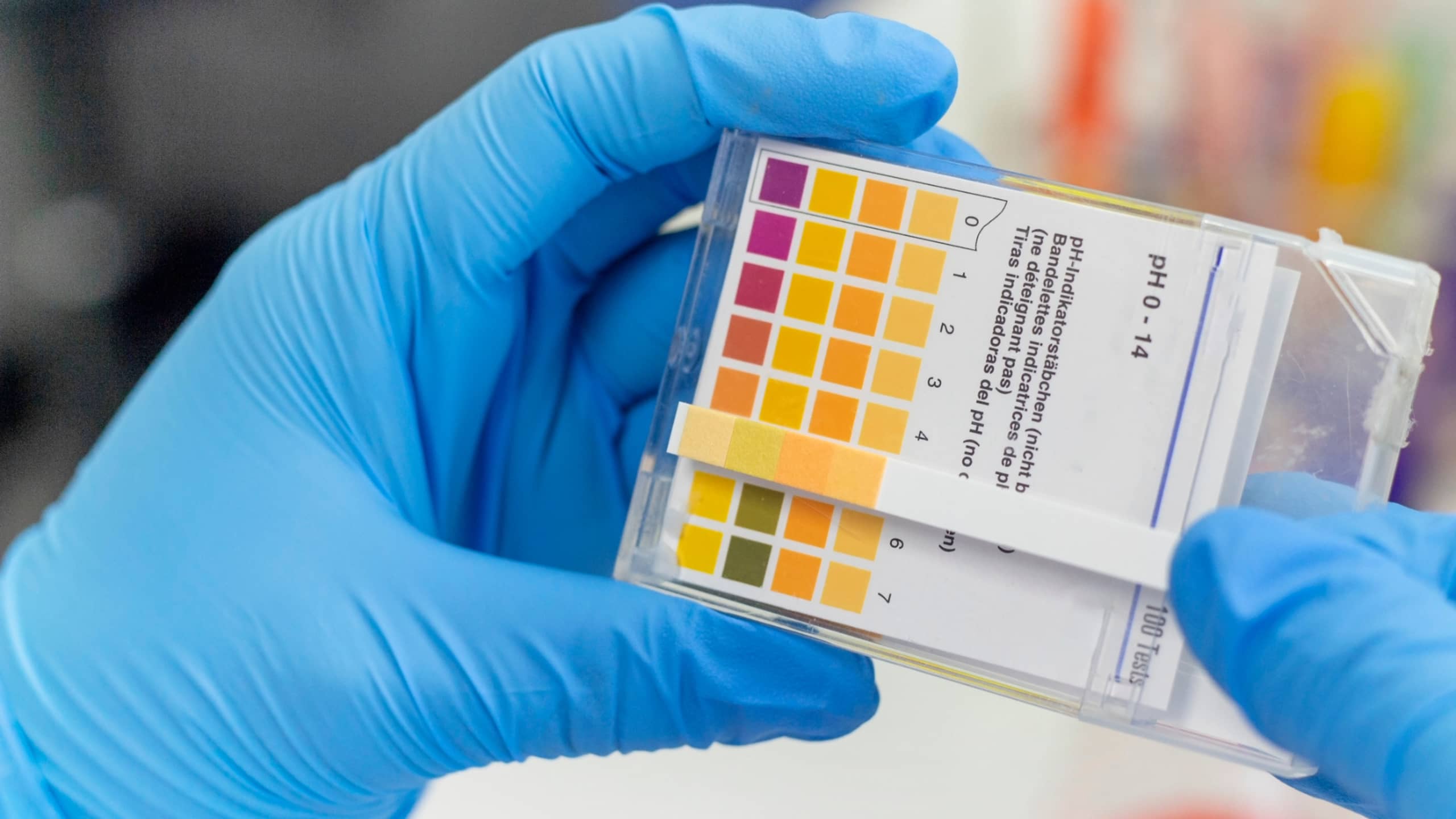
The kidneys are a pair of organs located in the lower back, below the ribs and on either side of the spinal column. These organs act as filters for the blood.
As blood moves through the kidneys, it passes through networks of tiny blood vessels called glomeruli. This process removes excess fluid, waste, and unneeded substances, which become urine that can be expelled from the body. Meanwhile, blood cells and other substances the body still needs are routed back into the blood stream.
A healthy kidney contains roughly one million glomeruli. Focal segmental glomerulosclerosis (FSGS) is a type of kidney damage that affects the glomeruli, reducing this number and reducing kidney function.
One of the main symptoms of FSGS is proteinuria, or higher-than-normal amounts of protein in the urine.
How does FSCS lead to proteinuria?
FSGS is not a single condition, but a type of damage that can occur due to a number of different causes, or no identifiable cause:
- Primary FSGS occurs without an identifiable cause. It may be caused by an issue with the immune system.
- Secondary FSGS is associated with an underlying medical condition, chronic viral infection, injury to the kidneys, or as a side effect from certain drugs or medications.
- Genetic FSGS is caused by gene mutations that are inherited or occur after a person is conceived.
All types of FSGS cause damage to the blood vessels that make up the glomeruli, making these blood vessels less effective at filtering blood. As a result, waste and excess fluid circulate back into the blood, and protein ends up in urine.
FSGS also causes scarring and hardening of glomeruli. This reduces the number of filtering units that blood is able to pass through as it moves through the kidneys. This increases blood pressure, which puts added strain on the glomeruli that are still functioning, leading to more damage, and creating a cycle of progressive kidney loss. This can happen quickly in some cases. FSGS can lead to end-stage renal disease and kidney failure, especially if untreated.
Why is proteinuria important to the management of FSGS?
Temporary increases in urine protein levels can occur in a variety of circumstances—dehydration, intense exercise, stress, kidney stones, or as side effects from some medications. But under normal circumstances, urine contains very small or undetectable amounts of protein.
Proteinuria refers to larger amounts of protein in the urine, which can be a sign the kidneys are damaged. It can be an early warning sign of kidney disease, since protein in the urine is often detectable before other kidney disease symptoms.
Healthcare providers can measure protein in FSGS using several specialized tests:
- Urine albumin-to-creatinine ratio (uACR). This measures the ratio of a specific protein (albumin) to a substance called creatinine (a waste product) in a urine sample.
- Urine protein-to-creatinine ratio (uPCR). This measures the ratio of all types of proteins to creatinine in a urine sample.
- 24-hour urine collection. Urine is collected in a special container over a 24-hour period, which is then sent to a lab for testing that checks what substances are in the urine.
Tests will be used to monitor treatment response and watch for signs that kidney damage is progressing. Blood pressure checks and bloodwork are also important to monitoring.
Reducing and controlling proteinuria is a focus of treatment for FSGS. Lower levels of proteinuria are associated with better outcomes for the kidneys in the treatment of FSGS. Treatment plans typically include medications to reduce proteinuria, as well as blood pressure and cholesterol. Treatment with medications is supported by lifestyle interventions.
Treatment for FSGS will depend on the type, symptoms, kidney function, and a person’s overall health. A healthcare provider will be your best source of information about diagnosis and treatment.
Sources: National Institute of Diabetes and Diges... + 8
- National Institute of Diabetes and Digestive and Kidney Diseases. Your Kidneys & How They Work. Accessed August 14, 2026.
- Frank O'Brien. Overview of Kidney Filtering Disorders. Merck Manual Consumer Version. April 2025.
- Johns Hopkins Medicine. Proteinuria. Accessed August 14, 2026.
- National Organization for Rare Disorders. Focal Segmental Glomerulosclerosis. November 21, 2018.
- National Kidney Foundation. Focal Segmental Glomerulosclerosis (FSGS). June 30, 2026.
- American Heart Association. High Blood Pressure and Your Kidneys. May 10, 2024.
- MedlinePlus. Protein in Urine. December 2, 2024.
- American Kidney Fund. Focal segmental glomerulosclerosis (FSGS): symptoms, causes and treatment. August 19, 2026.
- Laura H. Mariani, Howard Trachtman, et al. Proteinuria as an End Point in Clinical Trials of Focal Segmental Glomerulosclerosis. American Journal of Kidney Diseases, 2025. Vol. 85, No. 5.
