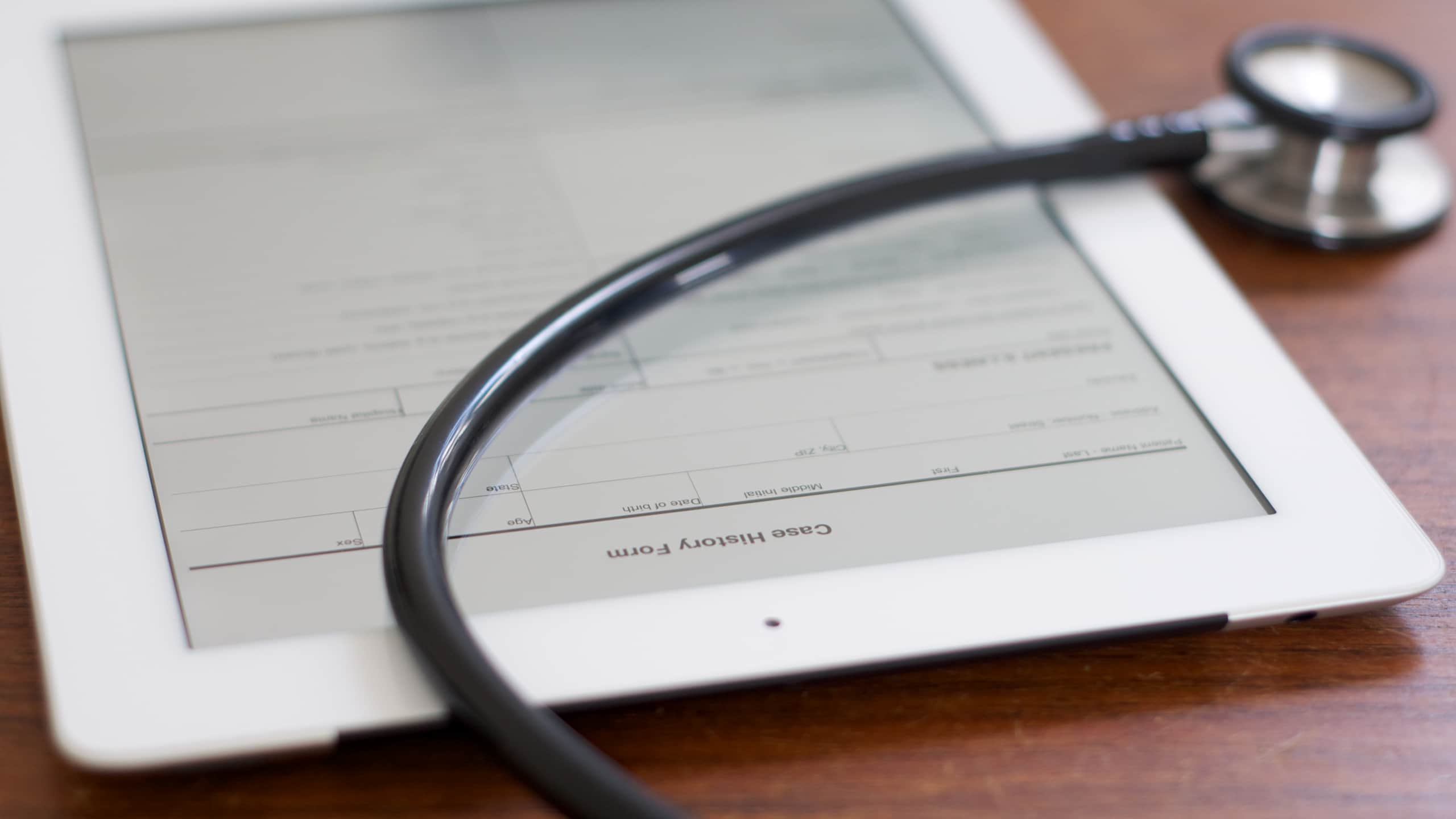
In the past, your health history was tracked on paper only, but that's no longer the case. Healthcare providers (HCPs) and hospitals across the country have streamlined recordkeeping, turning those paper medical records into something more practical—the electronic health record (EHR), also known as the electronic medical record (EMR). According to the Centers for Disease Control and Prevention, as of 2021, more than 88 percent of office-based HCPs were using an EHR system.
Here are five facts to help you understand more about EHRs.
EHRs offer more comprehensive recordkeeping
EHRs go beyond standard clinical data collected in a provider’s office and can offer a broader view of your care. EHRs can:
- Sync your health history, diagnoses, medicines, treatment plans, immunization dates, allergies, radiology images, and lab and test results within an online portal.
- Allow all your HCPs to access your record, making it easier for them to share information and coordinate your care.
- Help you create a personal, secure account to review all of your health information.
- Give providers evidence-based tools to help them make decisions about your care.
The federal government encourages these changes by incentivizing HCPs and facilities to use EHRs.
They’re different than your personal health record (PHR)
You control and maintain what's in your personal health record (PHR). You can use it to collect, track, and share past and current information about your health or the health of someone you're caring for. Whether you track this health information on paper or online is completely up to you, but it's becoming more popular in the form of an electronic health data application, which may be linked to your EHR.
With an EHR, your HCP or hospital controls the information. Your EHR may be stored at an HCP’s office, a hospital, an insurance company, or an employer.
EHRs may help you get better care
With all your medical information in one place, your HCP has a more complete and organized view of your health. EHRs help your HCPs stay current with your conditions and treatments and track your progress over time. It also alerts them when you’re due for preventive care. They even help prevent prescription errors, guarding you against incorrect dosages and harmful interactions with other medicines you may be taking. Ultimately, it’s a more effective way to help your HCP help you.
EHRs save you money
EHRs make it less likely that HCPs will order duplicate or unnecessary tests. They also make practices more efficient, reducing administrative costs involved with transcribing notes, handling charts, and billing. Those savings reduce overall healthcare spending—and help reduce the kinds of costs that are often passed on to you.
You’re not left out of your care
EHRs are designed to be accessed by everyone involved in your care, including you. Forgot something your HCP said during your visit? They can share notes from your visit with you, give you self-care or follow-up instructions, and point you to web resources. An EHR can even help you schedule an appointment, send questions to your HCP via email, and much more.
Sources: Sarwal D, Gupta V. StatPearls. Personal ... + 8
- Sarwal D, Gupta V. StatPearls. Personal Health Record. Page last updated October 17, 2022.
- Centers for Disease Control and Prevention: National Center for Health Statistics. Electronic Medical Records/Electronic Health Records (EMRs/EHRs). Page last reviewed January 17, 2023.
- Centers for Medicare & Medicaid Services. Electronic Health Records. Page last updated September 6, 2023.
- The Office of the National Coordinator for Health Information Technology (ONC). Benefits of EHRs: Improve Care Coordination. Page accessed October 20, 2023.
- American College of Physicians. CMS Electronic Health Record (EHR) Incentive Program. Page accessed October 20, 2023.
- Centers for Medicare & Medicaid Services. Personal Health Records. Page last updated September 6, 2023.
- The Office of the National Coordinator for Health Information Technology (ONC). Benefits of EHRs: Improved Diagnostics & Patient Outcomes. Page accessed October 20, 2023.
- The Office of the National Coordinator for Health Information Technology (ONC). Benefits of EHRs: Medical Practice Efficiencies & Cost Savings. Page accessed October 20, 2023.
- The Office of the National Coordinator for Health Information Technology (ONC). Benefits of EHRs: Increase Patient Participation in Their Care. Page accessed October 20, 2023.