

In the United States, more than 48,000 people die by suicide each year, according to the Centers for Disease Control and Prevention (CDC). Though it affects so many lives, it’s common to shy away from discussing suicide. Some people might even hesitate to speak up when a loved one is at risk because they’re not sure how to approach the subject.
The thoughts and events leading up to a suicide attempt are unique for each person and there’s no way to know for sure whether someone will die by suicide. However, there are certain behaviors that could indicate a person’s considering it.
Know the warning signs of suicide
One of the biggest signs? When someone makes comments about wanting to die. They might not say they’re considering suicide outright, but they could make comments like, ‘I just want the pain to stop,’ or, ‘Everyone would be better off if I were gone.’ Even if they say these things casually, don’t let it slide.
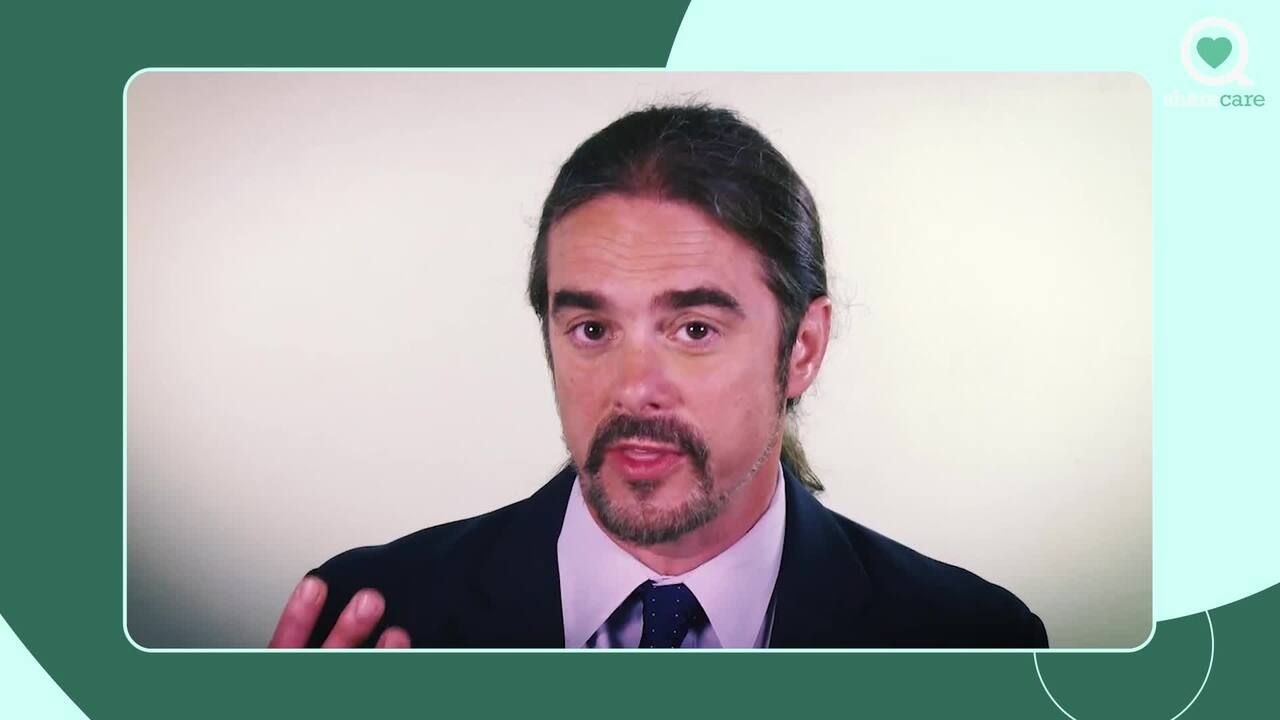
“Whenever someone makes a statement related to suicide, you must take it seriously,” says Jeff Sommers, MD, a psychiatrist in Richmond, Virginia. “If he or she is verbalizing suicidal thoughts, they need to be in contact with a mental health professional.”
“Other warning signs include withdrawing from friends, having dramatic mood swings, participating in dangerous or reckless behaviors, and increasing drug or alcohol use,” he adds. “Teenagers tend to be more action-oriented, making them prone to reckless activities. The elderly are more likely to stop following their treatments or taking their medications. They may become preoccupied with death and start giving away their personal items, too.”
These behaviors should be taken seriously in every case. But they’re especially concerning in someone at risk for suicide, such as people with:
- A history of attempted suicide
- A mental illness like depression, a substance use disorder, bipolar disorder, or schizophrenia
- A recently deceased spouse
- A high-risk profession like law enforcement, medicine, or the armed forces
- A family history of suicide
Even if someone doesn’t fall into one of these high-risk categories, you should still respond to suicide warning signs. When in doubt, it’s always better to talk to the person, rather than risk losing them.
Don’t hesitate to say something
It’s a myth that discussing suicide could “put the idea” in a person’s head. If they’re truly at risk, the idea is already front and center.
“In reality, asking someone if they’re thinking about killing themself demonstrates how much you care, and that their life matters to you,” says Dr. Sommers. “It lets them know you empathize with the fact that they feel miserable. Isolation is also a risk factor for suicide, so reaching out can help them feel less alone.”
Not sure what to say? Start the conversation with open-ended questions like:
- It sounds like the last few months have been really tough for you. How are you coping with everything?
- You don’t seem like yourself. How are you feeling?
- How have you been doing lately?
Give them time to express whatever is on their mind, but at some point in the conversation ask, “Are you having thoughts of suicide?” Be direct. It’s important to show that it’s okay to discuss this topic.
Don’t judge or argue
Once you open the conversation, let the other person do the talking. “You need to actively listen,” says Sommers. “Give them your complete, respectful attention. Don’t judge or criticize. Put your own needs on the back burner. Just doing that can sometimes feel like a gift to the person—it’s more helpful than you may think.”
“As you listen, try to gather important information,” he adds. You want to determine if they have a plan to carry out suicide. If they’re actively trying to kill themself, call 911 immediately and stay with them until help arrives. Don’t leave them alone for any reason, but remove all possible weapons like firearms, wires, and sharp objects from their reach.
“If you’ve called for an ambulance and you’re waiting together, reassure them that you're not going to leave their side,” says Sommers. “You can try to get them to think about their relationships and to envision something worth living for. But you should also continue to be an active listener. Pledge your unwavering support and then just listen.”
It’s also a good idea to travel with the person to the ER. If they’re under a great deal of stress, they might not be able to answer questions correctly or understand what their doctors are saying. You can take notes, help answer questions, and continue to provide emotional support.
If the person isn’t actively attempting suicide, they should still speak to a healthcare provider, such as a mental health professional right away. If they’re already in counseling, go ahead and dial their therapist.
Another option is to reach out to the Crisis Text Line by texting ‘HOME’ to 741741. You will be connected with a person who will listen to your concerns without judgment. You can also call, text, or chat 988 to reach the 988 Suicide and Crisis Lifeline.
Find other resources that can help
Contact these organizations for additional information and support.
- The American Foundation for Suicide Prevention: Learn how to make a safety plan, get help after a suicide attempt and more.
- The Substance Abuse and Mental Health Services Administration: Find treatment facilities in your area.
- The Trevor Project: Help for LGBTQ+ youth considering suicide, along with their family, friends, and teachers. Help is available 24 hours a day online chat, text or phone at 1 (866) 488-7386.
- Vet Call Center: Call centers are open around the clock for military personnel and their families. Dial 877-WAR-VETS.
Ultimately it’s important to remember: Reaching out, listening without judging, and taking warning signs seriously can save a life.
Sources: Centers for Disease Control and Preventi... + 7
- Centers for Disease Control and Prevention. Suicide Data and Statistics. March 26, 2025.
- KFF. Suicide Deaths: National Trends and Variation by Demographics and States. February 24, 2026.
- National Institute of Mental Health. Warning Signs of Suicide. 2023.
- American Foundation for Suicide Prevention. Risk Factors, Protective Factors, and Warning Signs. Accessed March 11, 2026.
- Mayo Clinic. Suicide: What to do when someone is thinking about suicide. August 12, 2023. National Institute of Mental Health. Suicide FAQ. 2023
- American Foundation for Suicide Prevention. What to Do When Someone Is at Risk. Accessed March 11, 2026.
- 988 Suicide and Crisis Lifeline. About 988. Accessed March 11, 2026.
- 988 Suicide and Crisis Lifeline. Help Someone Else. Accessed March 11, 2026.