

New dads can experience depression during their partner’s pregnancy or after the birth of their child, just as mothers can. The term for it is paternal postpartum depression (PPD).
Estimates vary, but studies suggest that about 10 percent of fathers develop paternal PPD; under-reporting could mean this number is higher. When a man’s partner also has PPD, paternal rates may climb as high as 50 percent.
Despite its prevalence, silence surrounding paternal PPD can cause dads to wonder if their condition is real or legitimate. They may grapple with their symptoms in isolation. Male gender norms like stoicism and self-reliance—along with a sense of duty to provide for their growing family—can also contribute to men feeling alone and overwhelmed.
But talking about the very real stress of fatherhood is critical. Left untreated, paternal PPD can interfere with children’s mental and emotional development, worsen maternal depression, and lead dads to hurt themselves, their kids, or their partner.
Here’s what to know about some of the key differences between paternal and maternal PPD, plus practical advice on how to cope with the challenges of being a dad.
What does PPD look like in men?
All new parents—biological parents, stepparents, adoptive parents, and others—may experience traditional symptoms of PPD. These include:
- Feeling sad, hopeless, or empty
- Losing interest in things they normally enjoy
- Withdrawing from or avoiding friends and family
- Having trouble bonding or forming an emotional attachment with their baby
- Resenting their baby and feeling guilty over this resentment
- Fearing their behavior around their baby
- Having a desire to hurt themselves or others
- Experiencing physical aches and pains
- Feeling anxious or irritable
- Having appetite changes
People who have given birth undergo dramatic physical and hormonal changes that make them especially susceptible to PPD. Women are more likely to show sadness, talk openly about their symptoms, and seek help, says Mark Boles, MD, an OBGYN in Dublin, Georgia. On the other hand, a lot of men try to be “the strong one” and suppress their feelings.
“For them,” Dr. Boles explains, “depression tends to come out in other ways, very few of which are constructive.” Men with PPD may be more prone to:
- Emotional withdrawal or physical absence
- High-risk activities like reckless driving
- Drug or alcohol abuse
- Agitation or aggression
- Violence, including intimate partner violence
- Self-harm or suicide
Many men with PPD demonstrate irritability and a lack of desire to be home or to help with childcare, and it’s common for them to view the baby as the source of their issues, according to Boles. “That's when a lot of women will say, ‘He doesn't come home until late; I'm taking care of the baby all the time.’”
“It could be that this dad is experiencing PPD,” Boles adds, “but no one has made that connection.”
Sleep deserves a special mention: A new baby can significantly disrupt your sleep. Poor rest, in turn, can trigger or worsen PPD symptoms, including anger at your baby’s cries. At the same time, depression can aggravate sleep problems like insomnia. This cycle is often a major source of stress for new parents.
What causes paternal PPD?
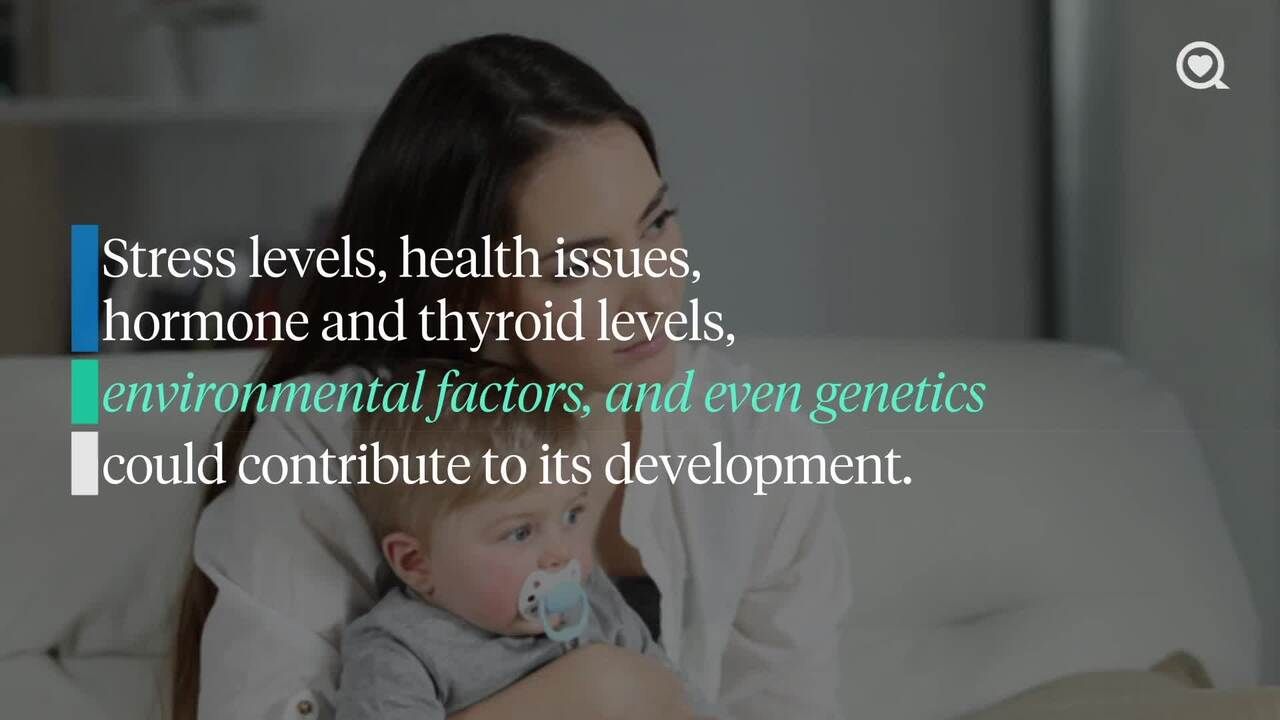
Many factors contribute to PPD in men, says Boles, and many factors make it difficult for them to get help. “Levels of testosterone and other hormones can change in men following their child’s birth,” he explains. “Sleep deprivation, changes to their relationship, and lack of intimacy may play a role as well.”
In research, some men express a sense of having been forgotten—including by healthcare providers—and frustration over a lack of father-directed parenting materials and lack of awareness of paternal PPD.
“Dads often don’t have a provider that they’ve bonded with over the course of pregnancy the way moms tend to have,” says Boles. “So, when these symptoms appear, they can feel like they’re on an island. They might not know a provider well enough to be able to be vulnerable and say, ‘I’m having a lot of difficulty adjusting to life with a child in the house.’”
Several studies suggest that feeling distanced from their partner affects dads, too. Since many men may not express vulnerability outside of their intimate relationship, this distance can mean losing their emotional lifeline right when they need it most. Couples may grow apart due to the lifestyle, scheduling, and responsibility changes that can arrive with a baby. In many cases, men’s emotional withdrawal fuels this dynamic as well: Dads may question their right to discuss their thoughts or to “burden” their partner with their experience. These unspoken worries may further increase tension.
New territory for dads today
It’s increasingly common for people to define family and parenthood for themselves, rather than according to tradition. That means new dads may be occupying very important but possibly unfamiliar roles with few models to guide them. This can leave dads feeling over their heads.
On top of that, paid paternal leave remains a rare employee benefit. Returning to work too soon after their child’s birth can add to a father's:
- Stress from balancing the financial demands of childcare
- Physical absence from home due to long working hours
- Exclusion from parenting milestones
- Poor bonding and difficulty developing an attachment with his baby
Excessive absence also may lead to mounting resentment between parents and can exacerbate maternal PPD.
Be real with yourself, your partner—and other dads
It takes courage to have difficult conversations. It’s not always comfortable but being up front about what’s on your mind can lead to solutions.
“The first thing I recommend is talking to your partner,” says Boles. This is crucial because it might help to clear up long-running misunderstandings. “For example, she might be thinking she's no longer attractive to you after these body changes and assume you must be ‘stepping out.’”
Next, talk to someone who can give you the tools to improve your symptoms, such as your general practitioner or a mental health provider. As Boles advises, “Find someone who can help you understand this diagnosis, who can explain that it’s a real condition, and who can address it with medications, if appropriate, and with talk therapy.”
It also helps to reach out to a broader support system. Friends, co-workers, family members, and online or in-person support groups can help you consider issues from fresh perspectives. Finally, since stigma surrounding mental health often keeps men from getting treatment, being transparent with other dads you know might prompt them to seek lifesaving help, too.
The best version of you
Life is better for your family when you’re present and involved, and depression can get in the way of that. On the other hand, seeking help may have a ripple effect, easing depression for your baby’s mom and boosting her interest in parenting.
Here are some places to start:
- Access an online forum for new dads, get book recommendations, and more at Postpartummen.com.
- Explore Postpartum Support International (PSI), a platform for families affected by PPD. Call their 24-hour helpline at 800-944-4773 or text to 503-894-9453. Be sure to visit their Resources for Fathers page.
- Get tips for maximizing your sleep time.
- Call, text, or chat 988 to the 988 Suicide & Crisis Lifeline if you or someone you know is considering suicide.
- Reach the National Domestic Violence Hotline at 800-799-7233 (TTY 800-787-3224).
“Accessing mental health care can somehow be seen as weak or ‘less manly,’” says Boles. “But if there are changes taking place to your brain chemistry, it doesn't matter how strong you are. Until you do something to address those changes, you're not going to feel whole and you're not going to have energy to be there for your kids.”
Sources: Cleveland Clinic. Yes, Postpartum Depres... + 14
- Cleveland Clinic. Yes, Postpartum Depression in Men Is Very Real. June 26, 2025.
- HealthyChildren.org. Depression and Anxiety During Pregnancy and After Birth: FAQs. November 19, 2019.
- Paulson JF, Bazemore SD. Prenatal and postpartum depression in fathers and its association with maternal depression: a meta-analysis. JAMA. 2010 May 19;303(19):1961-9.
- Darwin Z, Galdas P, et al. Fathers' views and experiences of their own mental health during pregnancy and the first postnatal year: a qualitative interview study of men participating in the UK Born and Bred in Yorkshire (BaBY) cohort. BMC Pregnancy Childbirth. 2017 Jan 26;17(1):45.
- Eddy B, Poll V, et al. Forgotten Fathers: Postpartum Depression in Men. Journal of Family Issues, 2019, 40(8), 1001-1017.
- Da Costa D, Zelkowitz P, et al. Dads Get Sad Too: Depressive Symptoms and Associated Factors in Expectant First-Time Fathers. Am J Mens Health. 2017 Sep;11(5):1376-1384.
- Kumar SV, Oliffe JL, Kelly MT. Promoting Postpartum Mental Health in Fathers: Recommendations for Nurse Practitioners. Am J Mens Health. 2018 Mar;12(2):221-228.
- National Institute of Mental Health. Perinatal Depression. 2023.
- March of Dimes. Postpartum Depression. June 2025.
- Eunice Kennedy Shriver National Institute of Child Health and Human Development. Moms’ Mental Health Matters. June 2, 2022.
- Kim P, Swain JE. Sad dads: paternal postpartum depression. Psychiatry (Edgmont). 2007 Feb;4(2):35-47.
- O'Brien AP, McNeil KA, et al. New Fathers' Perinatal Depression and Anxiety-Treatment Options: An Integrative Review. Am J Mens Health. 2017 Jul;11(4):863-876.
- American Psychological Association. Men Can Experience Depression After Childbirth. August 2018.
- Scarff JR. Postpartum Depression in Men. Innov Clin Neurosci. 2019 May 1;16(5-6):11-14.
- HealthyChildren.org. Perinatal Depression in Partners: Can Both Parents Get the "Baby Blues?" January 19, 2023.