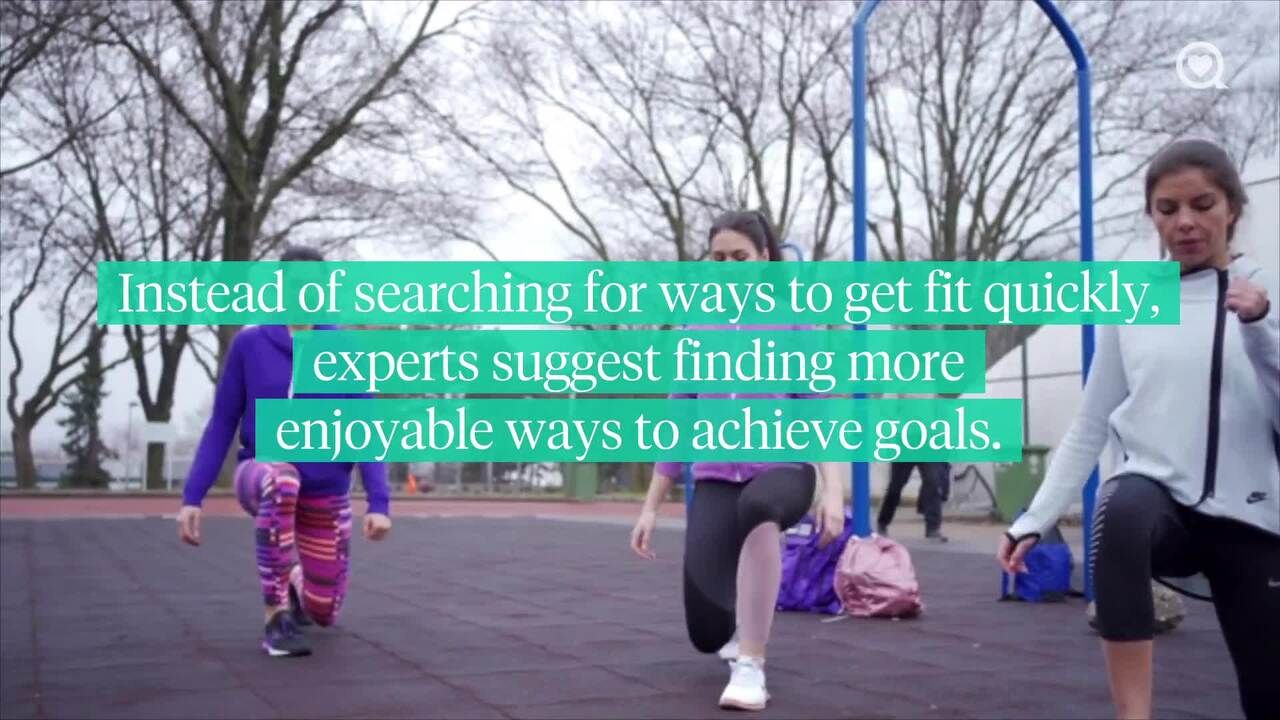
‘Tis that time of the year again: 40 to 45 percent of adults in the United States will make New Year’s resolutions, continuing a tradition that began in ancient Roman times.
Resolutions run the gamut of self-improvement, but the majority concern health behaviors, such as losing weight, starting exercise, stopping smoking and reducing alcohol use.
Associates and I have conducted multiple studies on self-change in general and New Year’s resolutions in particular. Making a resolution is a valuable opportunity for you to increase the quality of your life.
In fact, 40 to 46 percent of New Year’s resolvers will be successful after six months. Contrary to widespread public opinion, a considerable proportion of New Year resolvers do succeed. What’s more, scientific research indicates that you are 10 times more likely to change by making a New Year’s resolution compared to non-resolvers with the identical goals and comparable motivation to change.
Here are evidence-based tips for creating and keeping your New Year’s resolution. These are based on research studies tracking successful resolvers. In other words, here’s what separates successful from unsuccessful resolvers.
Before January 1
- Make realistic, attainable goals. Vague goals beget vague resolutions. Grandiose goals beget resignation.
- Develop a specific action plan. What, specifically, are you going to do differently to counter the problem?
- Establish genuine confidence that you can keep the resolution despite the occasional slip. Confidence (or self-efficacy, as psychologists call it) is a potent predictor of who succeeds in the New Year.
- Publicly declare your resolution. Public commitments are generally more successful than private decisions.
In January
- Track your progress by recording or charting your changed behavior. Research indicates that such “self-monitoring” increases the probability of keeping the resolution.
- Reward your successes. Reinforce yourself for each step with a (healthy) treat. Perhaps you could create a reward contract with a loved one.
- Build in a healthy behavior incompatible with your problem. For example, learn assertion if your resolution is to be less passive or learn to relax if you are resolved to decrease stress.
- Arrange your environment to help, rather than hinder, you. Limit exposure to high-risk situations and create reminders for your resolutions. If you are limiting the sweets, don’t hang out in the bakery.
- Expect occasional slips in your resolutions. Most successful resolvers slip in January. But a slip need not be a fall; pick yourself up and recommit to your resolution. Don’t let one missed exercise class end the exercise program. One study showed that 71 percent of successful resolvers said their first slip had actually strengthened their efforts.
- Avoid self-blame after a slip. Frequent self-blame predicts who will give up soon.
February and beyond
- Cultivate social support. The buddy system works! And buddies can be coworkers, family members, friends or fellow resolvers.
- Think of resolutions as marathons, not 100-yard dashes. Prepare for the long haul of a changed lifestyle.
- Prepare for slips associated with negative emotions and social pressures. Create a “slip plan” to deal with those situations once into February. Consider, for example, leaving the pressured situation, distracting yourself, calling a friend and reminding yourself that a slip (lapse) need not be a fall (relapse).
- Avoid getting negative about yourself or your slips—be positive about your successes!
- Remember that meaningful change takes time. It takes three to six months before a change becomes routine.