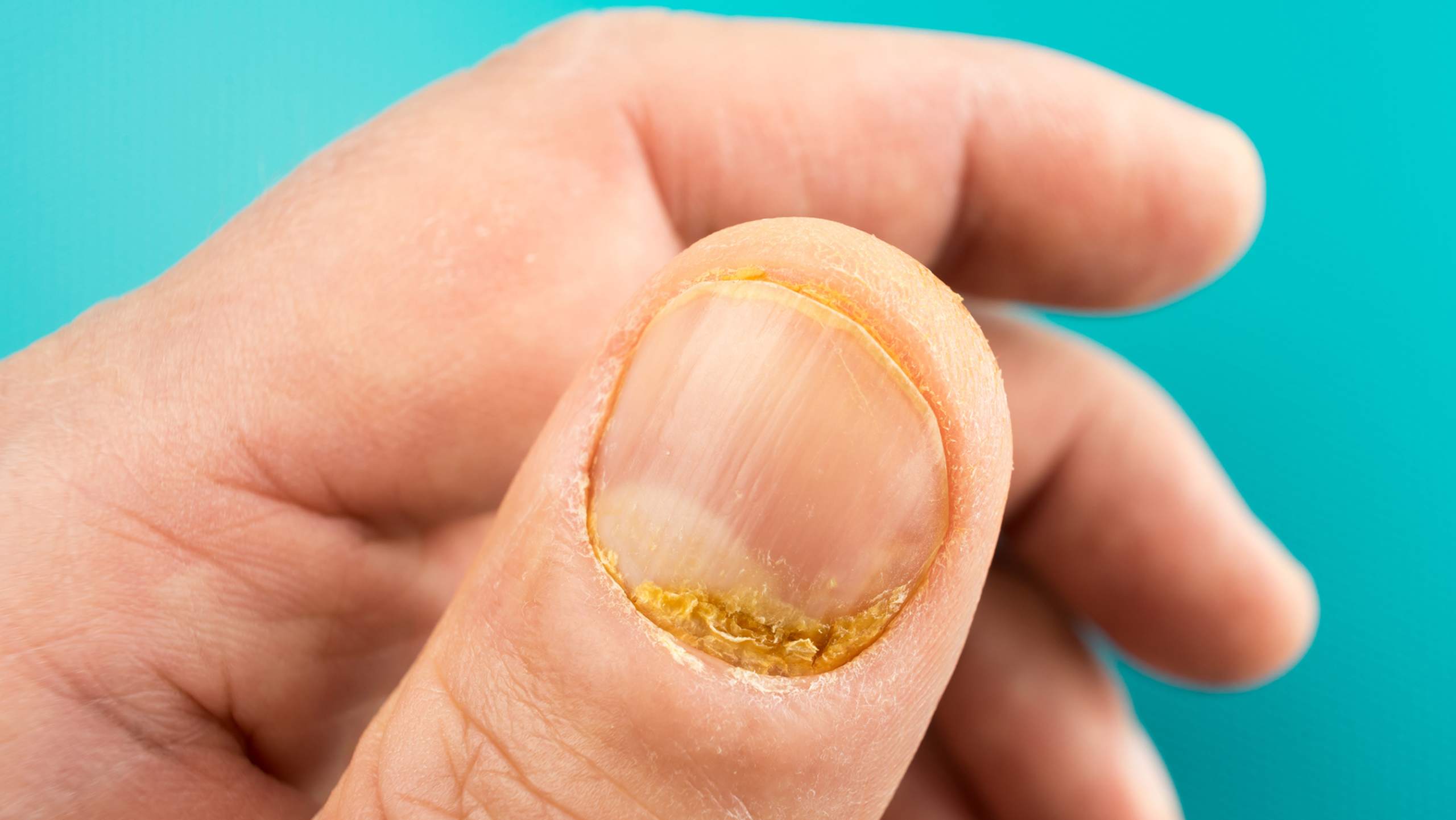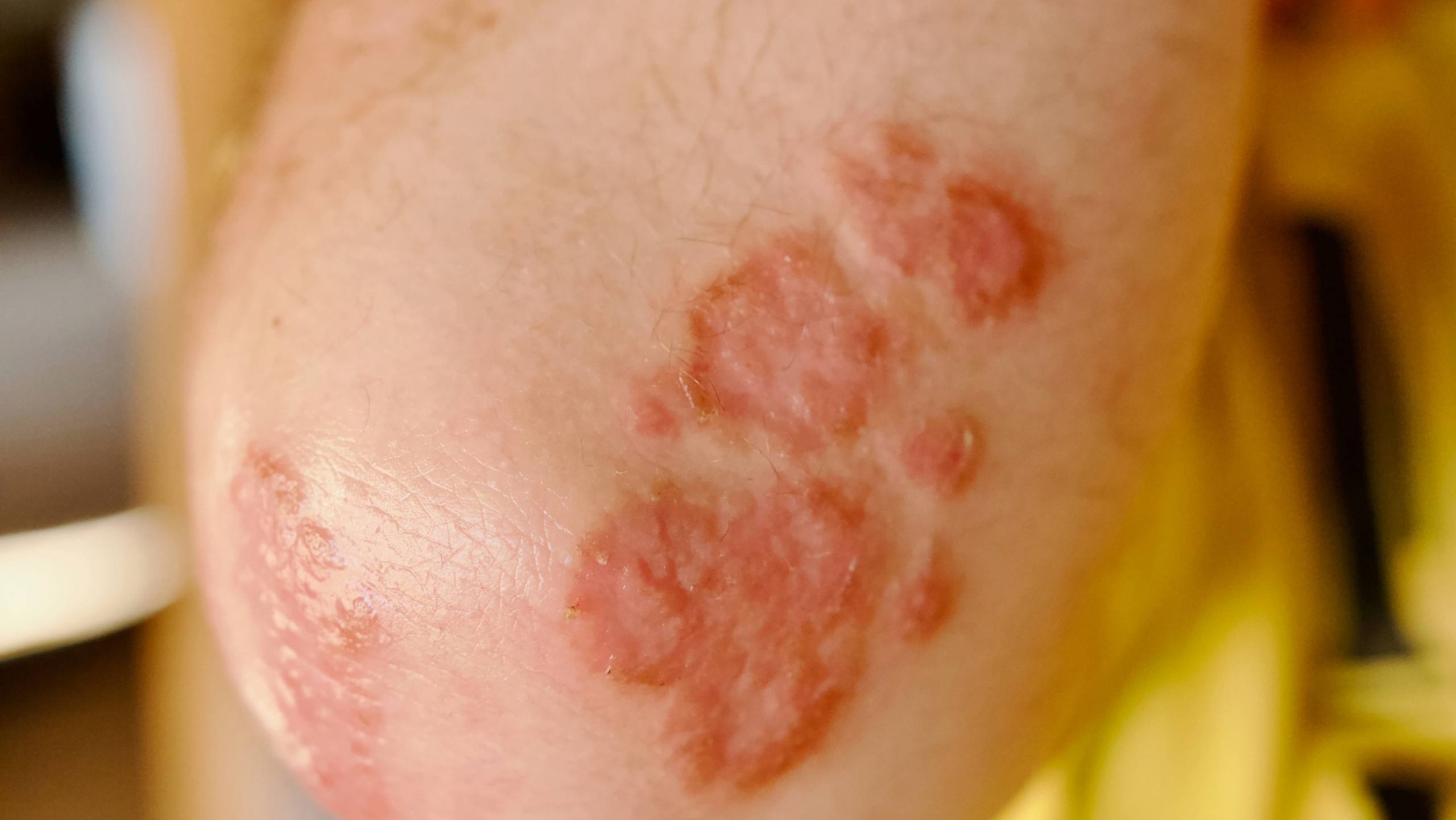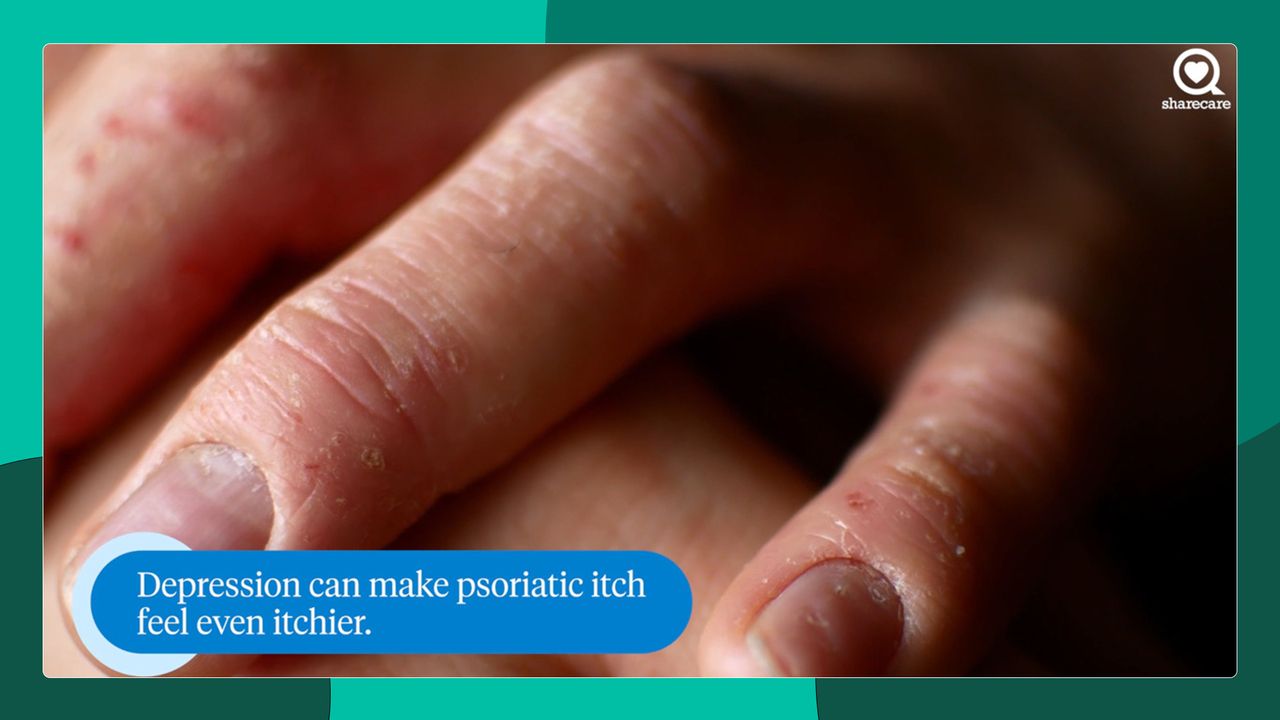

Psoriasis is one of the most common autoimmune diseases in the world. In most cases, the condition presents as thickened plaques of inflamed, raised skin that’s covered in silvery scales. This type is called plaque psoriasis. However, psoriasis can present with a number of other skin symptoms, including smooth lesions in skin folds (inverse psoriasis), pustules (pustular psoriasis), or small, drop-like dots (guttate psoriasis).
Psoriasis may have an impact on body image, self-esteem, and quality of life. Some people with psoriasis have reported altering their behavior because of the condition. They wear clothing that covers the skin, avoid sex and physical intimacy, and exercise less frequently. Some people may cope through unhealthy behaviors such as smoking and excessive drinking.
While these behaviors are rooted in feelings and emotions, they also affect physical well-being. Exposure to sunlight fosters the body’s production of vitamin D, and in some cases, it may help ease psoriasis symptoms. A healthy sex life has often been linked to better physical and emotional health.
Psoriasis can take a particular toll on a person’s mental and emotional well-being when it affects sensitive areas of the body. For example, between 33 and 63 percent of psoriasis patients report having psoriasis symptoms in the genital area at some point. Genital psoriasis is often physically uncomfortable and mentally distressing. Research and patient surveys suggest that genital psoriasis can take a significant toll on a person’s quality of life, personal relationships, and sexuality.
Dealing with negative feelings
Self-image is more than how others perceive you. It’s also how you perceive yourself, and it’s linked with physical and mental well-being. If you are feeling distressed over your physical appearance, there are things you can do to cope with these feelings. This can include developing your own coping strategies, such as relaxation techniques, journaling, exercising, and participating in a support group. This can also include working with a counselor or therapist to better understand your feelings and learn techniques for managing them.
If you have any form of psoriasis, it is important to speak with your healthcare provider about your condition, and to be open and honest about all of your symptoms. While there is no cure for psoriasis, there are many treatment options that can help relieve symptoms and improve the appearance of the skin.
Sources: American Academy of Dermatology Associat... + 11
- American Academy of Dermatology Association. Psoriasis: Signs and Symptoms. Accessed September 14, 2026.
- Cleveland Clinic. Psoriasis. September 15, 2022.
- National Psoriasis Foundation. About Psoriasis. March 24, 2026.
- Mayo Clinic. Psoriasis: Symptoms and Causes. December 17, 2025.
- Bień B, Krajewski PK, Szepietowski JC. Life-Changing Decisions in Patients Suffering from Psoriasis: A Cross-Sectional Study. Dermatol Ther (Heidelb). 2025 Apr;15(4):841-855.
- Fidelis T, Vieira FM, et al. Body image and mental health in chronic skin conditions: A psychosomatic perspective from a systematic review. Appl Psychol Health Well Being. 2025 Dec;17(6):e70097.
- Nowowiejska J, Karny A, et al. Sexual dysfunctions in psoriatic patients. Front Public Health. 2024 Apr 17;12:1339196.
- National Psoriasis Foundation. Life with Psoriasis. January 22, 2025.
- National Institutes of Health Office of Dietary Supplements. Vitamin D: Fact Sheet for Health Professionals. June 27, 2025.
- MedlinePlus. Sexual Health. September 30, 2024.
- National Psoriasis Foundation. Genital Psoriasis. March 24, 2026.
- Cleveland Clinic. Mental Health. August 5, 2025.