Shingles is an infection. It’s caused by a reactivation of the virus that causes chickenpox, called the varicella-zoster virus (VZV). After you’ve had chickenpox and the infection has cleared up, VZV remains in your nervous system. It is dormant for the most part, meaning it does not present any symptoms.
However, years later, the virus can reactivate, causing a rash of blisters. This is shingles. The rash typically appears in a stripe, following the path of nerve fibers. It’s usually painful—sometimes, intensely painful.
Roughly one in three people will experience shingles at some point. There are about one million cases of shingles reported in the United States each year. While the rash usually clears up within two to four weeks, the pain can linger for months or even years—which is a condition called postherpetic neuralgia, or PHN.
Fortunately, getting a shingles vaccine can reduce your risk of getting shingles and PHN. Below are six important facts about the shingles vaccine.
What vaccines are available?
There is one shingles vaccine available. Shingrix was approved by the U.S. Food & Drug Administration in 2017. An older vaccine, called Zostavax, is no longer available in the U.S.
What are the recommendations for shingles vaccination?
Shingrix is the vaccine preferred by the Centers for Disease Control and Prevention (CDC) and the Advisory Committee on Immunization Practices (ACIP). The CDC recommends shingles vaccination with Shingrix for adults who are 50 years of age or older.
This recommendation includes people who have had shingles in the past, since the vaccination can help prevent a recurrence of shingles.
This recommendation also includes people who were previously vaccinated with Zostavax, as Shingrix has been shown to be more effective at preventing shingles and PHN.
How effective is the shingles vaccine?
It depends on the vaccine you receive and your age.
In published studies, Shingrix has been more than 97 percent effective at preventing shingles, and 91 percent effective at preventing PHN, in people ages 50 to 69 years.
For people who were 70 years and older, the Shingrix vaccine was shown to be 91 percent effective at reducing the risk of shingles, and 89 percent effective at reducing the risk of PHN. The vaccine tends to remain highly effective for several years.
How is the shingles vaccine administered?
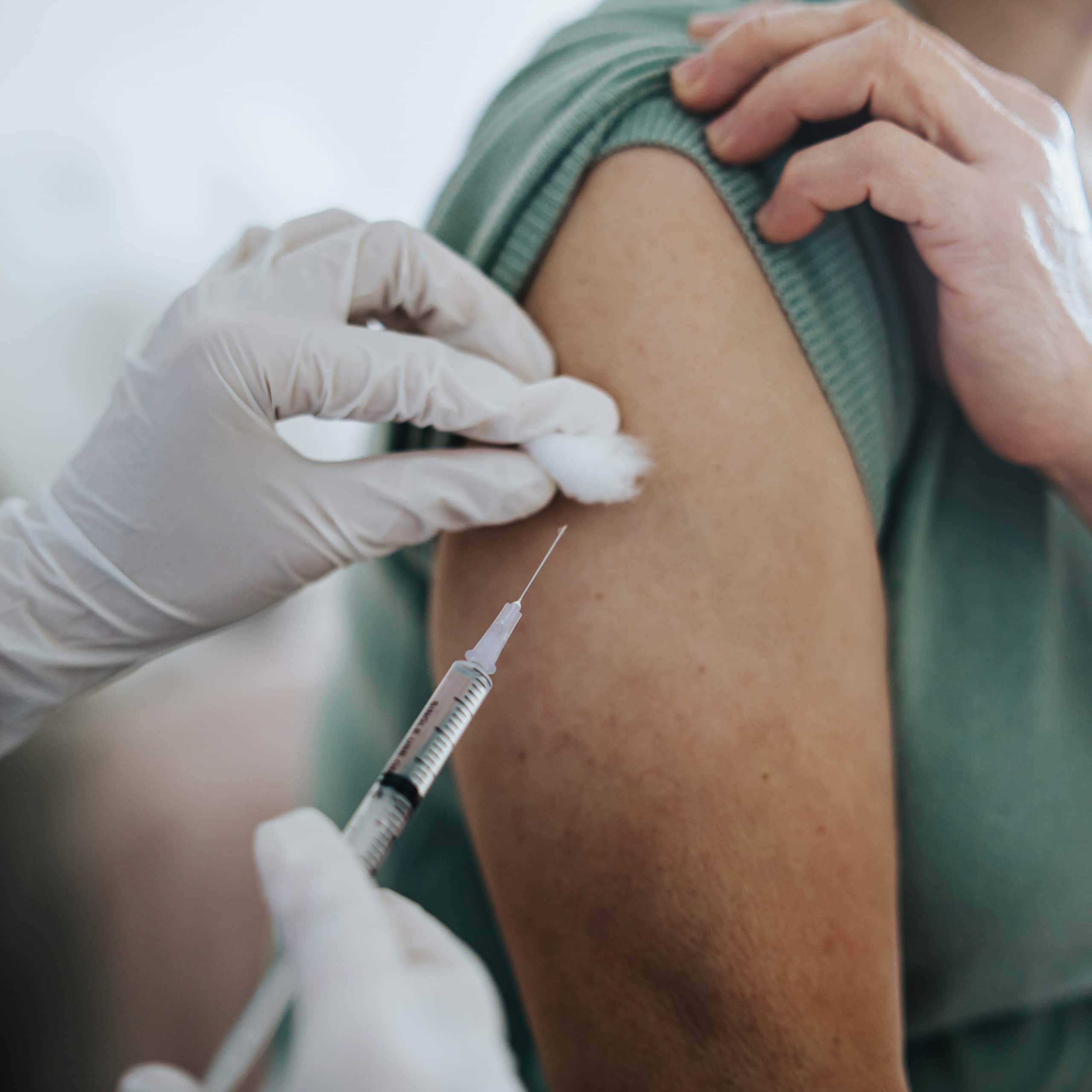
The vaccine is administered through an injection.
Shingrix is given as an injection into the muscle of the upper arm. It is given as two doses. The second dose is given between two and six months after the first.
What should you discuss with your healthcare provider?
Deciding to get the shingles vaccine is a question to discuss with your healthcare provider. Potential allergies to ingredients in a vaccine, your medical history, and other medications you are taking are all things that should be considered when receiving any vaccination.
You may also need to delay getting a shingles vaccination if you currently have shingles or if you currently or recently had an illness such as the flu.
Where can you get the shingles vaccine?
If you decide to get the shingles vaccine, it should be available through your healthcare provider or through your local pharmacy. Be sure to check with your insurance provider about coverage prior to getting a vaccination.
Sources: Centers for Disease Control and Preventi... + 5
- Centers for Disease Control and Prevention. About Shingles (Herpes Zoster). May 10, 2024.
- Cleveland Clinic. Shingles. February 2, 2022.
- NIH: National Institute on Aging. Shingles. October 12, 2021.
- Centers for Disease Control and Prevention. Shingles Facts and Stats. April 12, 2024.
- Centers for Disease Control and Prevention. Shingles Vaccination. July 19, 2024.
- Centers for Disease Control and Prevention. Shingles Vaccine Recommendations: Information for Healthcare Professionals. October 22, 2024.