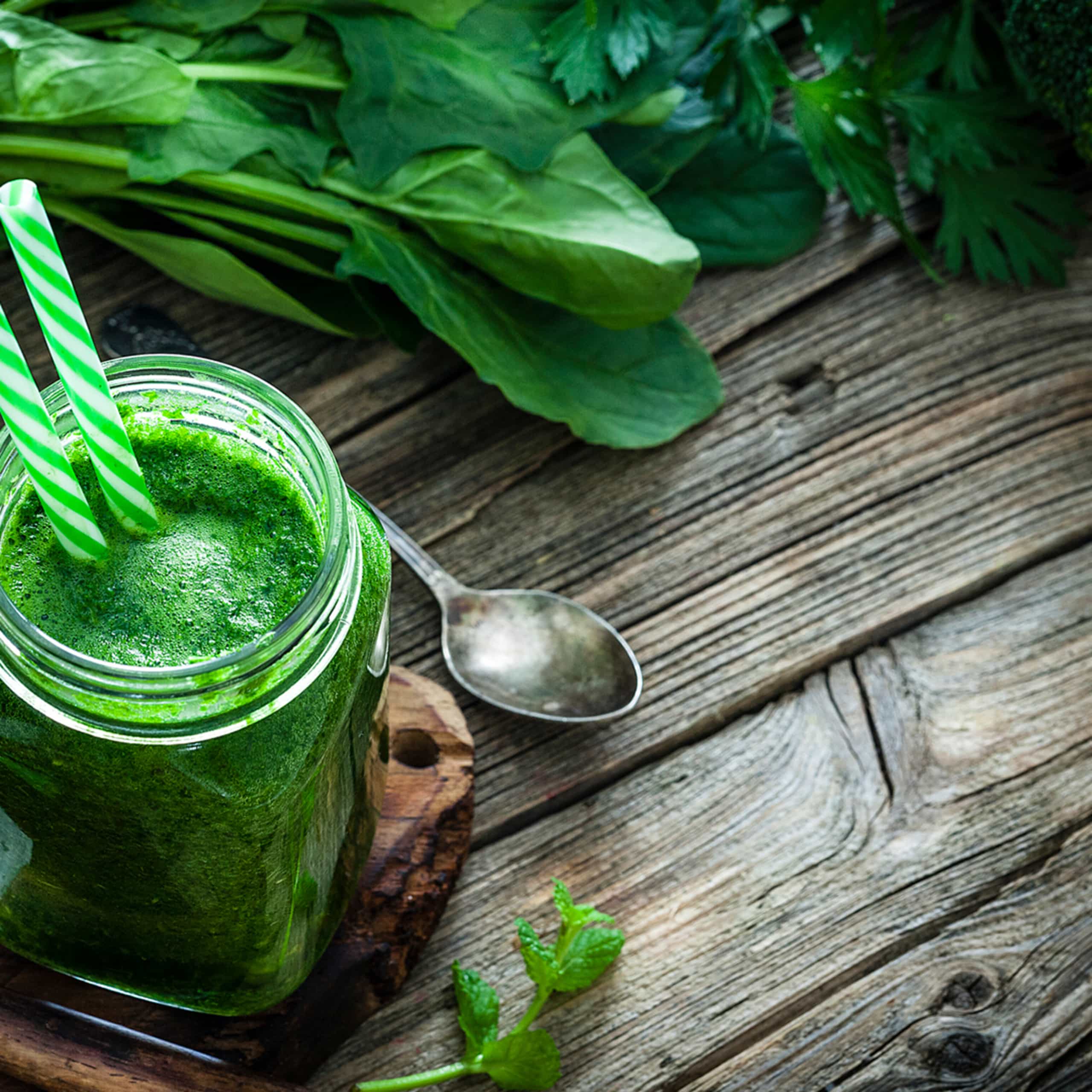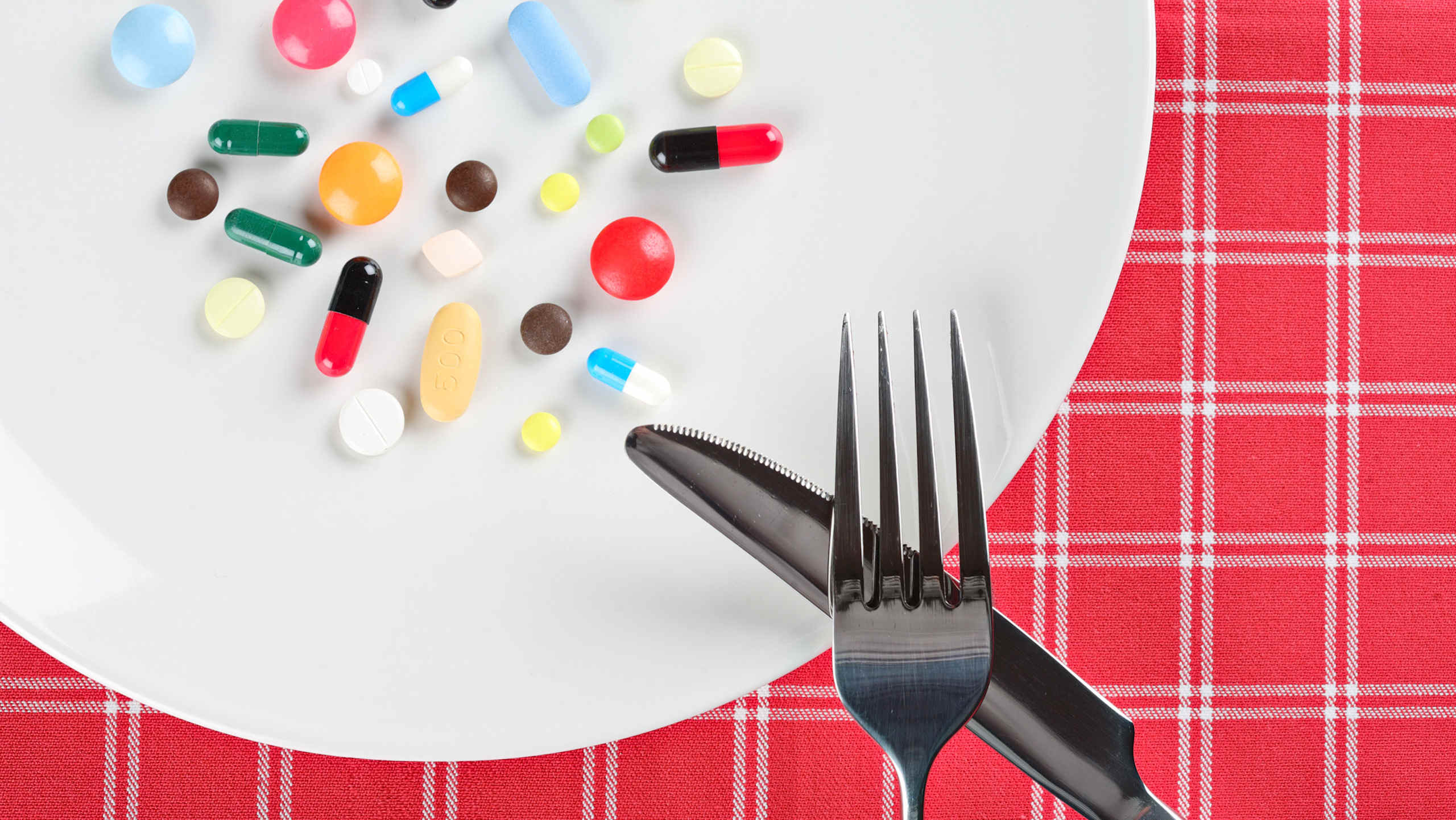


Looking for an energy boost? Want to reset your diet after a holiday or vacation? Trying to drop some excess weight? Hopping on the juice cleanse train might be tempting—they’re promoted all over social media, after all—but it might not be what's best for your body.
Also known as detox diets or flushes, juice cleanses are often touted for weight loss and the removal of toxins from the body. Doing a cleanse involves limiting or avoiding solid food, instead consuming juice, other liquids, and sometimes supplements for days at a time.
Before you swear off solid food, here's what to know about these ever-popular diets.
Your body has its own detoxification system
Many detoxes claim to be an effective way to rid the body of toxins. While flushing unwanted substances out of your system seems like a good idea, there's little evidence to suggest drinking a glass of beet juice will help.
Our bodies already rid themselves of toxins without the help of juice or supplements. A number of organs, including the kidneys, lungs, and skin, are involved in the detoxification process.
- Your kidneys remove toxins from your blood and carry them out of the body in the form of urine.
- Your lungs expel excess gas, like carbon dioxide.
- The skin acts as a protective barrier, keeping environmental toxins out of your body.
- The digestive system eliminates toxic food, in the form of vomit or diarrhea.
- The liver neutralizes toxins in the body.
Weight loss is typically minimal and short-lived
To maintain their weight, healthy adults should typically eat between 1,600 and 3,000 calories each day, depending on sex, size, age, and other factors. A day's worth of juices for one commercial juice cleanse often contains fewer than 1,000 calories.
Restricting calorie intake can lead to weight loss. But post-juice cleanse, once you resume typical eating habits, the weight loss usually stops. Then, the pounds come back as quickly as they slipped off.
It's not just unsustainable—it can be dangerous, too
Even when they're labeled "all-natural," fruit and vegetable juices may not be all that healthy for you. Juices contain carbohydrates, but lack protein and healthy fats, both of which your body rely on. A diet lacking essential nutrients can cause health problems, including:
- Muscle loss: Found in foods like chicken, salmon, and black beans, protein is important for the growth and repair of your body's cells. Prolonged periods without this nutrient can lead to muscle loss.
- Headaches, weakness, and fainting: Consuming too few calories can result in these potentially dangerous effects.
- Insulin problems: An all-juice diet can be especially risky for people with diabetes or kidney disease. Consuming excess fruit juice can affect insulin levels and worsen kidney problems.
What’s more, if a juice is unpasteurized, meaning it hasn't been treated to kill bacteria, it can make you sick with Escherichia coli, Salmonella, and other germs.
There are better options
The occasional fresh-pressed juice can be part of a healthy diet, but be careful about using it to replace a day's worth of food. Focus instead on including whole fruits and veggies in your menu. Produce is packed with fiber, a nutrient that aids healthy digestion, keeps bowel movements regular, and may boost weight loss. When you juice fruits and vegetables, you may miss out on some of this fiber.
If you're looking to support good health, try a mix of whole grains, lean protein, fresh produce, and a bit of good-for-you fat at each meal.
Sources: National Center for Complementary and In... + 4
- National Center for Complementary and Integrative Health. Detoxes and Cleanses: What You Need to Know. March 2025.
- Mayo Clinic. Colon Cleansing: Is It Helpful or Harmful. May 10, 2024.
- Harvard Health Publishing. What’s being cleansed in a detox cleanse? March 25, 2020.
- National Institute of Diabetes and Digestive and Kidney Diseases. Kidneys and How They Work. June 2018.
- Mayo Clinic. Dietary Fiber: Essential for a Healthy Diet. December 24, 2025.