Many people experience stress and anxiety when trying to get pregnant, because many people have difficulty getting pregnant. In the United States, about 1 in 5 married women of reproductive age with no previous births are not pregnant after a year of trying, according to the Centers for Disease Control and Prevention (CDC).
It’s normal to feel frustrated, to dwell on the possible reasons, or to start to feel tense or apprehensive about sex and intimacy. You may be wondering if it is time to speak to a healthcare provider (HCP).
It is well documented that stress has negative effects on physical health, mental health, and relationships—and there is also research that supports the idea that chronic stress may impair a person’s chances of getting pregnant.
Understanding stress
Stress is a natural response by the human body, and it is helpful in small doses. It helps us recognize dangerous situations and react quickly. It can also help us stay energized and focused, improving things like job performance. Short-term doses of stress are referred to as “acute stress.”
Then there is chronic stress. This is the constant, long-term stress that contributes to exhaustion, irritable and anxious moods, muscle tension, headaches, mental health disorders, and other health issues.
Stress hormones versus sex hormones
The association between chronic stress and fertility is a topic of interest for HCPs and medical researchers. Studies have found an association between higher levels of stress biomarkers and a lower likelihood of getting pregnant.
One example involves elevated levels of “stress hormones” called glucocorticoids. Cortisol is a well-known example of a glucocorticoid. Higher levels of glucocorticoids suppress another hormone called gonadotropin-releasing hormone (GnRH).
GnRH can be described as the body’s main “sex hormone regulator.” It plays a major role in the release and balance of male and female sex hormones. Suppressed levels affect both sexual and reproductive health. Sexual desire may be lower. Sperm count may be lower, or sperm may not function well. Ovulation may not function well.
Although stress alone is unlikely to cause infertility, it’s reasonable to conclude that chronic stress will not improve your chances of getting pregnant. It is also potentially damaging to your relationship, your health, and your partner’s health.
Take steps to reduce stress
Whether you are feeling stressed from trying to conceive or for other reasons, it is a good idea to take steps to reduce stress.
Try stress management practices, like meditation, yoga, acupuncture, or mindfulness activities. They can help reduce stress and lead to a more positive outlook overall.
- Exercise, and physical activity in general, are proven stress reducers. Fitness also supports hormonal function, circulation, and other aspects of well-being that are important to reproductive health.
- Exercising outdoors, especially in a natural setting like a park or a garden, may have even more benefit in reducing stress levels.
- Make time for things you enjoy, such as reading a book, watching an episode of TV, playing with a pet, or going out for coffee.
- While getting pregnant may be a priority, spend other quality time together with a partner. Simple activities like cooking and sharing a meal, going on a walk, or playing a game can be relaxing and nurture your relationship.
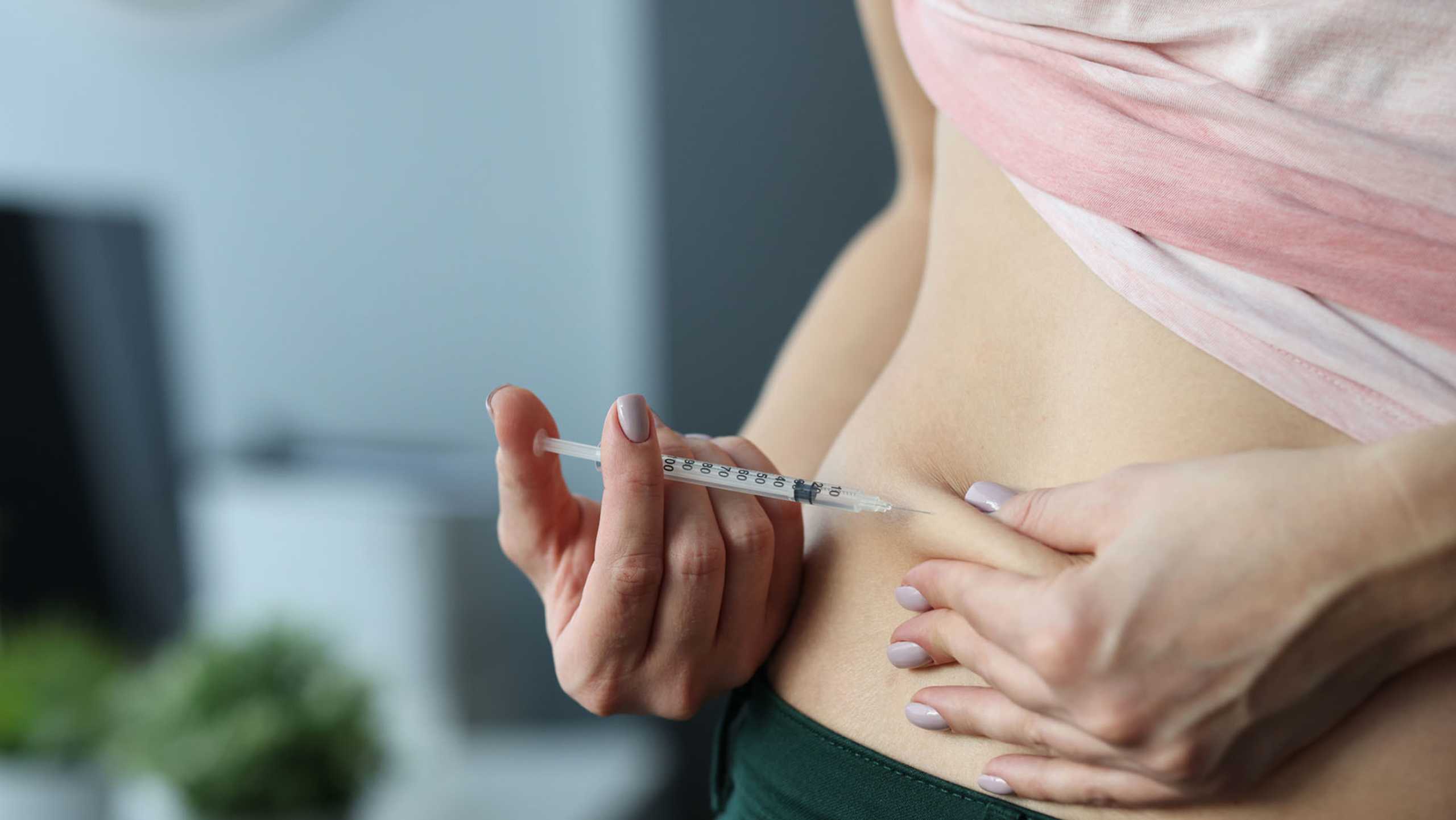
Remember that there are HCPs and fertility treatments that have helped many people become pregnant—and this is another reason to reduce stress. Undergoing a medical procedure to increase the chances of pregnancy is often stressful, and it can be very helpful to get your stress levels in check beforehand.
If you have been trying to get pregnant and have been unsuccessful, talk to an HCP who can help you identify what may be interfering with your ability to get pregnant, and recommend strategies and treatments that may help.
Sources: Centers for Disease Control and Preventi... + 11
- Centers for Disease Control and Prevention. Infertility: Frequently Asked Questions. May 15, 2024.
- American Society for Reproductive Medicine. Sexual Dysfunction and Infertility. 2023.
- Mayo Clinic Health System. Infertility and Stress. August 24, 2022.
- Mass General Brigham. Does Stress Affect Fertility Treatments? April 2, 2025.
- Cleveland Clinic. Stress. May 15, 2024.
- Mayo Clinic. Chronic Stress Puts Your Health at Risk. July 21, 2026.
- Marques P, De Sousa Lages A, et al. Endotext [Internet]. South Dartmouth (MA): MDText.com, Inc.; 2000–.
- Karunyam BV, Abdul Karim AK, et al. Infertility and cortisol: a systematic review. Front Endocrinol (Lausanne). 2023 Jun 29;14:1147306.
- National Cancer Institute. Definition of Gonadotropin-Releasing Hormone. Accessed November 9, 2026.
- American Society for Reproductive Medicine. Stress and Infertility. 2023.
- Cleveland Clinic. 20 Ways to Relieve Stress. October 2, 2024.
- Mayo Clinic. Infertility: Diagnosis and Treatment. September 12, 2023.