More than 42 percent U.S. adults—and about 20 percent of children—are obese, according to the National Institutes of Health. Obesity puts these people at higher risk for a long list of chronic health issues including heart disease—and certain types of cancer.
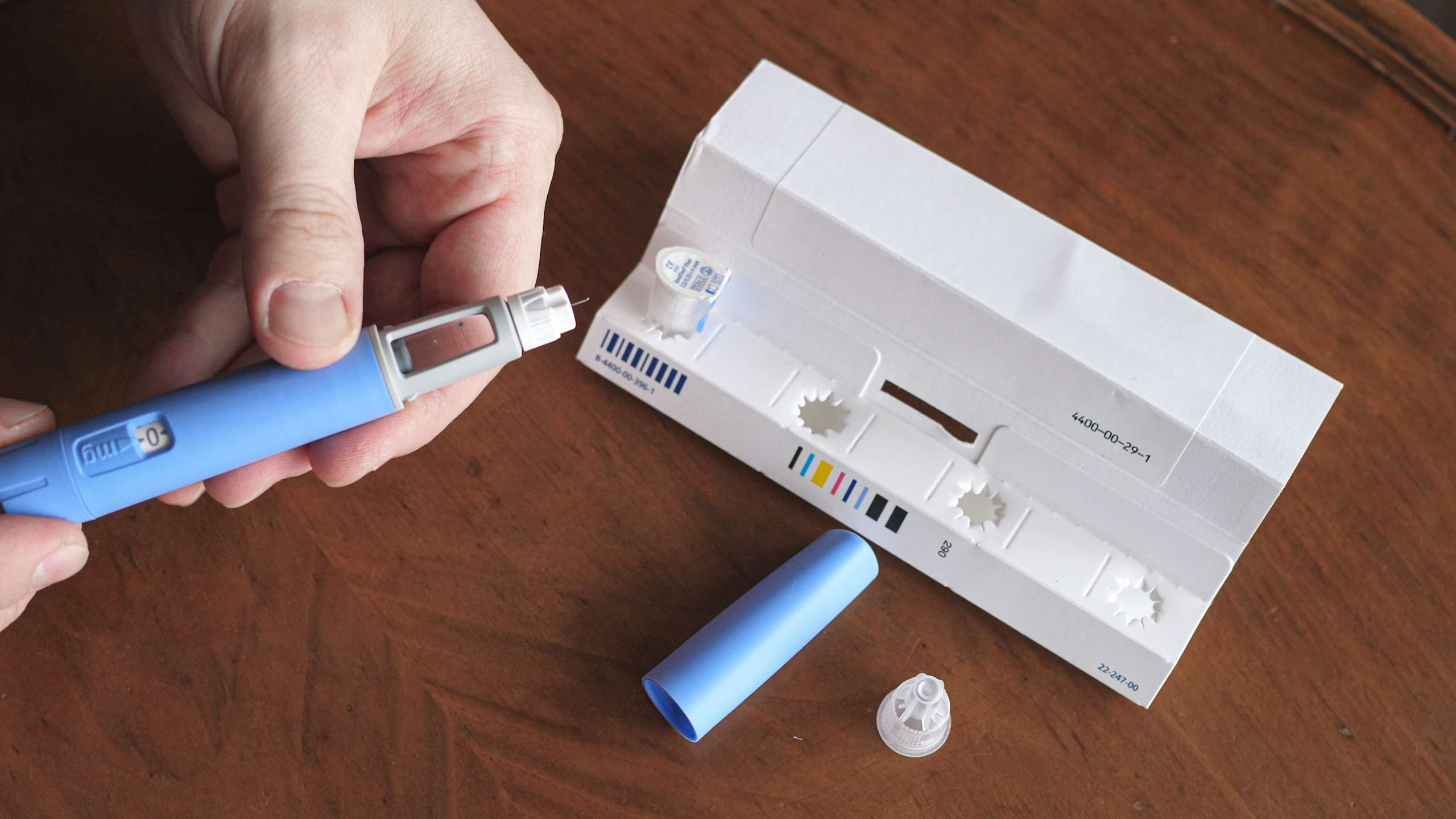
Popular weight loss drugs, called GLP-1 agonists or GLP-1s, have been shown to be highly effective in helping people lose weight. And research suggests they may also help reduce the risk for 13 obesity-related cancers.
What are GLP-1s and how do they work?
GLP-1s mimic a hormone released by the gut called glucagon-like peptide 1 (GLP1), which triggers the release of insulin to help regulate blood sugar levels. These drugs were originally developed to help manage type 2 diabetes.
But they also slow digestion, promote satiety, and help control appetite, making GLP-1s effective weight loss tools.
GLP-1s, such as Zepbound and Wegovy, have been studied and are designed for weight loss in people with a BMI of at least 27 and at least one weight-related condition, such as type 2 diabetes, high blood pressure, high cholesterol, or heart disease.
In addition to regulating blood sugar and assisting weight loss, GLP-1s have other benefits. They can help:
- Lower blood pressure
- Improve cholesterol and fatty liver disease
- Reduce the risk of heart and kidney disease
- Delay the progression of diabetes-related nerve damage
- Increase fertility in men and women
- Manage the metabolic issues associated with polyendocrine metabolic ovarian syndrome (PMOS), a condition previously known as polycystic ovary syndrome (PCOS)
- Improve obstructive sleep apnea
- Ease osteoarthritis (OA) symptoms
More research is needed, but there is also some evidence that GLP-1 medications could help treat or even prevent substance use disorders. These drugs may also have protective effects on the brain, potentially reducing the risk for Alzheimer’s disease. By treating obesity, GLP-1s could also indirectly reduce the risk for several forms of cancer.<span 335559685":0}"="" data-ccp-props="{">
GLP-1s could help lower cancer risk
Overweight or obesity are associated with a higher risk of 13 types of cancer, which account for 40 percent of all cancers diagnosed in the United States each year, according to the Centers for Disease Control and Prevention (CDC). These include:
- Adenocarcinoma of the esophagus
- Breast (in women who have gone through menopause)
- Colon and rectum
- Uterus
- Gallbladder
- Upper stomach
- Kidneys
- Liver
- Ovaries
- Pancreas
- Thyroid
- Meningioma (a type of brain cancer)
- Multiple myeloma
A July 2024 study of more than 1.6 million people with type 2 diabetes found those who took a GLP-1 had a lower risk for 10 of these obesity-related cancers than those taking insulin. . The study published in JAMA Network Open examined data collected from 2002 to 2018. The people included in the study were prescribed GLP-1s, insulin, or the diabetes drug metformin. None of them had a history of cancer linked to obesity
There was no reduction in cancer risk among those taking a GLP-1 than those taking metformin. The study found however that the patients treated with a GLP-1 instead of insulin also "had a significant risk reduction" in 10 types of cancer, including:
- Gallbladder cancer: 65 percent lower risk
- Meningioma: 63 percent lower risk
- Pancreatic cancer: 59 percent lower risk
- Hepatocellular carcinoma: 53 percent lower risk
- Ovarian cancer: 48 percent lower risk
- Colorectal cancer: 46 percent lower risk
- Multiple myeloma: 41 percent lower risk
- Esophageal cancer: 40 percent lower risk
- Endometrial cancer: 26 percent lower risk
- Kidney cancer: 24 percent lower risk
How could GLP-1s help prevent cancer?
Obesity is tied to an increased risk of cancer for a few reasons:
- It may cause inflammation throughout the body that can damage DNA
- It can weaken the immune system, making it less effective against cancerous cells
- Excess body fat can lead to higher levels of hormones, including estrogen and insulin. This may contribute to the development of some cancers.
The researchers noted their findings are "preliminary evidence of the potential benefit" of GLP-1s in cancer prevention among people at high risk for the disease. They added that more research is needed to investigate the possible benefits and longer-term effects of newer versions of these drugs.
Sources: U.S. National Institute of Diabetes and ... + 3
- U.S. National Institute of Diabetes and Digestive and Kidney Diseases. Overweight & Obesity Statistics. Sept 2021.
- National Cancer Institute. Obesity and Cancer. Apr 2022.
- Cleveland Clinic. Obesity-Medicine Advances Add Variables for Fertility Management. Jul 2024.
- Wang L, Xu R, Kaelber DC, Berger NA. Glucagon-Like Peptide 1 Receptor Agonists and 13 Obesity-Associated Cancers in Patients With Type 2 Diabetes. JAMA Netw Open. 2024;7(7):e2421305.