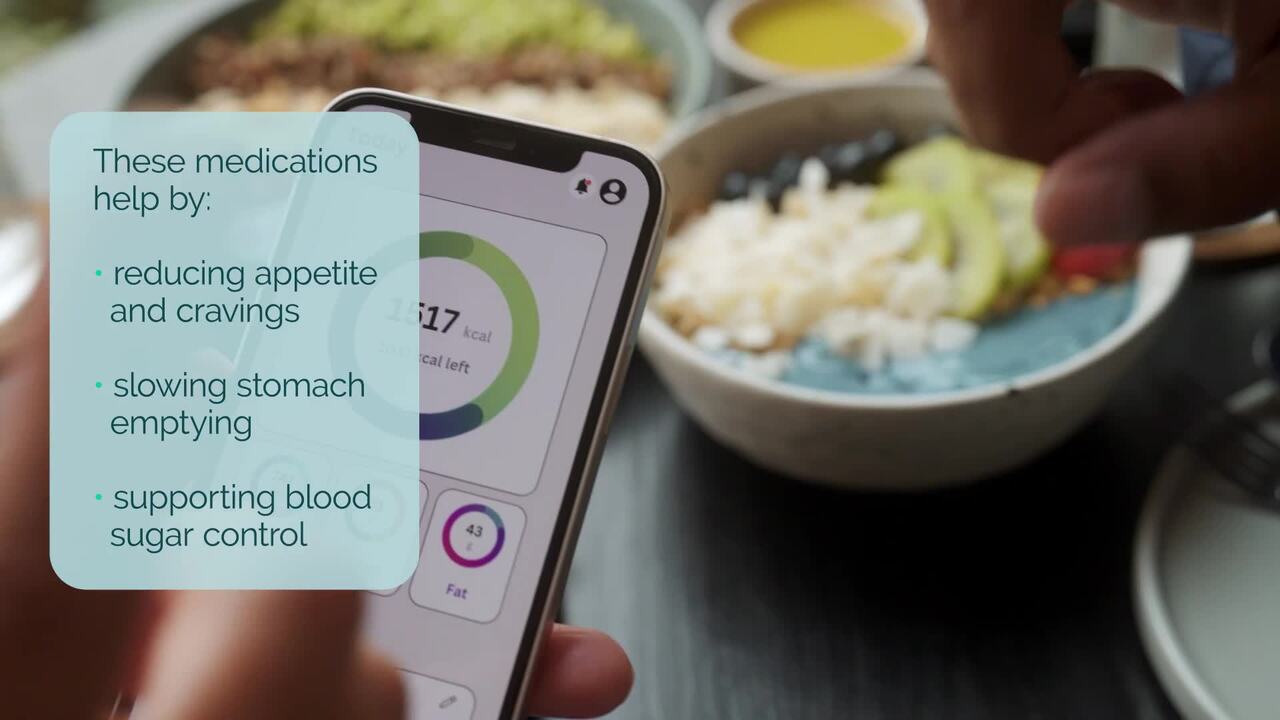


Roughly 1 in 8 U.S. adults report taking a GLP-1, a class of prescription weight loss drugs used to help manage diabetes, heart disease, obesity, and a range of obesity-related health issues, according to a May 2024 poll by the KFF, a U.S. health policy organization. Awareness about GLP-1s has also skyrocketed since the first one (exenatide) was approved by the U.S. Food and Drug Administration (FDA) in 2005.
Beyond the headlines however, it’s important to understand the possible risks as well as the benefits of GLP-1s. For many people, the benefits of taking a GLP-1 outweigh potential downsides. But researchers are still working to understand the long-term consequences of these medications. And although they’ve been shown to be highly effective, GLP-1s may cause side effects. These issues may vary from one person to the next. But generally, the higher the dose, the greater the risk.
How do GLP-1s work?
GLP-1 (glucagon-like peptide-1) is a hormone. It’s made in the small intestine, and it has a few important jobs, including:
- It helps control blood sugar levels by triggering the release of insulin from the pancreas. Insulin is another hormone that helps move sugar from the blood into cells where it can be used for energy.
- It blocks the release of glucagon. Glucagon is another hormone that triggers the release of stored sugar (glycogen) from the liver, causing blood sugar levels to rise.
- It slows digestion, which reduces the amount of sugar the body releases into the bloodstream.
- It affects areas of the brain involved in hunger and satiety, controlling appetite, and promoting a feeling of fullness.
GLP-1s are also called GLP-1 agonists. Agonists are substances that mimic a hormone and produce similar responses in the body. So, these drugs act like GLP-1 and help lower blood sugar levels by triggering the release of insulin. They also help people lose weight by slowing digestion and making people feel more full and less hungry. GLP-1s also blunt the dopamine-driven reward system in the brain, quieting cravings and other “food noise” that prompt people to overeat. (For this reason, GLP-1s are also being explored as possible treatments for addiction.)
What are the most common side effects of GLP-1s?
The most commonly reported side effects of GLP-1s are digestive issues, such as:
- Nausea
- Vomiting
- Diarrhea
- Constipation
- Bloating
- Indigestion
- Heartburn
There are some lifestyle adjustments that can help ease or prevent these issues, such as:
- Eat slowly and chew your food well.
- Listen to your body and stop eating when you start to feel full.
- Eat smaller, more frequent meals and/or reduce the size of your food portions.
- Stay upright for at least 30 minutes after eating.
- Avoid being very active for at least 30 minutes after eating.
- For nausea and diarrhea, choosing bland, low-fat, and easy-to-digest foods like plain crackers, bananas, and rice can help. Having a beverage that contains mint, or ginger can also ease nausea.
- Eating high-fiber foods, like fruits, vegetables, and whole grains, can help prevent or manage constipation. You can also ask your HCP about fiber supplements or other over-the-counter remedies (such as osmotic laxatives) that soften stool and helps it move through the intestines.
- Drink plenty of fluids to stay well hydrated. This is particularly important if you are vomiting or have diarrhea. Talk to your HCP about how much water you should drink daily.
- Avoid or limit your intake of greasy, spicy, or fatty foods. It’s also wise to limit alcohol and avoid carbonated beverages.
Can blood sugar drop too low?
Since GLP-1s work to lower blood sugar levels, it is possible for blood sugar to drop too low. But this is a rare side effect when GLP-1s are taken alone. The risk increases if they are taken with other diabetes medications, including insulin.
About two hours after eating a meal, a normal blood sugar level is between 70 and 100 mg/dL. A level lower than 70 mg/dL is considered low or hypoglycemia. A very low level can be life-threatening. Signs of low blood sugar include:
- Feeling shaky or trembling
- Feeling nervous or anxious
- Sweating or chills
- Irritability
- Confusion or trouble thinking
- Fast heartbeat
- Feeling lightheaded or dizzy
- Hunger
- Nausea
- Weakness
- Blurry vision
- Pale skin
Drinking some juice or eating a “fast-acting” carbohydrate, such as a small banana, can help increase blood sugar levels. Fast-acting carbs are typically simple carbs with little or no fat, fiber, or protein (which would take longer for the body to process). As a result, they help increase blood sugar more quickly.
Many people start feeling the signs of hypoglycemia before their blood sugar drops too low. This can help them take action to help keep it steady. Other ways to prevent low blood sugar:
- Monitor your blood sugar levels regularly and carefully as directed by your healthcare provider (HCP).
- Stick to a regular meal schedule.
- Plan meals and workouts around medications.
- Keep fast-acting carbs or healthy snacks on hand.
- Track your diet in an app or food journal.
- Do not drink alcohol on an empty stomach.
What is “Ozempic face”?
One of the most widely reported GLP-1 side effects was dubbed "Ozempic face”—a term used to describe sagging and wrinkled skin. But this effect is not specific to GLP-1s. It can occur any time rapid weight loss occurs. For some, the skin doesn’t have as much time to retract as it would with more gradual weight loss. In other cases, elastin (the protein fibers that make the skin elastic) may have become weakened or damaged over time.
Weight loss is not limited to certain parts of the body, like the belly. It occurs everywhere, including the face. So, when this happens very quickly, the following can happen to the face:
- The eyes and cheeks may appear hollowed or sunken
- The lips may become thinner
- The skin can sag or develop wrinkles
- Jowels may develop around the jaw and neck
This also explains another side effect, reportedly known as “Ozempic feet.” Similar to the rapid loss of fat in the face and neck, fat loss can also occur in the padding of the feet, including the soles and balls of the feet as well as the heels. This can lead to wrinkled skin, more noticeable veins, and discomfort while walking.
These effects may be avoided with more gradual weight loss. More severe cases that affect people’s quality of life or mental well-being can be improved with plastic surgery.
Some steps people can take to help prevent or minimize these issues:
- Eat adequate amounts of protein to help build or maintain muscle mass
- Wear sunscreen daily to protect the skin from the sun’s harmful UV rays
- Drink plenty of water to stay well-hydrated
- Use skincare products that promote collagen production
What about “Ozempic personality”?
Another possible side effect being reported anecdotally by some people taking a GLP-1 is feeling emotionally “flat”—a consequence that has been dubbed by media outlets as “Ozempic personality.”
There are GLP-1 receptors in the reward centers of the brain. For many, these drugs effectively quiet so-called “food noise” and dampen cravings, reducing the urge to overeat. They do this by diminishing the “dopamine rush” or the brain’s reward response to pleasurable things, including eating tasty foods, particularly those high in fat and sugar. This effect is why GLP-1s are being explored as possible treatments for addiction and substance abuse. Some researchers suggest, however, that for some people, this muted dopamine response could extend to other healthy pleasurable activities, like socializing, exercise, and more.
Other possible GLP-1 side effects
Ongoing research on GLP-1s has revealed some additional side effects that could occur in some people. Taking one of these drugs could also increase the risk for:
Gallbladder or biliary disease: GLP-1s, particularly at higher doses recommended for weight loss and long-term use, may increase the risk for gallstones, gallbladder inflammation, or biliary disorders (when the normal flow of bile is blocked or disrupted). These risks are still being investigated but research suggests these drugs reduce gallbladder motility (emptying), alter the composition of bile (due to rapid weight loss), and lead to biliary stasis (bile sitting too long)—all of which can contribute to gallstones and inflammation.
Bone loss: Rapid, sustained weight loss and reduced nutrient intake can reduce bone density, increasing the risk for fractures. This risk can be minimized by getting enough calcium, vitamin D, and magnesium in your diet. Doing muscle-building exercises at least twice per week is also important.
Tendon injuries: Research has shown that GLP-1 use among people with obesity is tied to a higher risk for tendon ruptures, particularly tears of the rotator cuff, Achilles, and chest (pectoralis major). One theory is that slower digestion and reduced nutrient intake due to GLP-1s may contribute to this increased risk of injury. Muscle loss putting extra strain on tendons or a sudden increase in activity level due to weight loss may also play a role.
Muscle loss: People taking GLP-1s lose more than body fat. Some 20 percent of weight loss is muscle mass. Less muscle means less strength and mobility, which increases the risk for falls and broken bones. Low muscle mass also reduces insulin sensitivity and increases the risk for high blood sugar levels. Muscle loss can also lower metabolic rate (muscle burns more calories at rest than fat). Age-related muscle loss (about 3 to 5 percent per decade) may compound these issues. People taking GLP-1s need to commit to muscle-building exercises to offset these losses.
Hair loss: GLP-1 use may be associated with hair thinning. This side effect is still being investigated. It’s unclear if the drugs may have a direct effect on hair follicles or if hair loss may result from nutritional deficiencies and rapid weight loss.
Can someone be allergic to a GLP-1?
Another possible side effect of GLP-1s is itchiness or redness at the injection site. This could signal an allergic reaction to the drug. Anyone who develops these symptoms should let their HCP know right away.
It’s important to be aware of warning signs of a life-threatening allergic reaction known as anaphylaxis. Anaphylaxis is a medical emergency. Anyone who develops the following symptoms should call 911 or go to the nearest emergency room immediately:
- Trouble breathing or swallowing
- Wheezing
- Hives
- Skin rash
- Belly pain
- Tightness in the chest
- Feelings of doom or dread
Are there other more rare or serious GLP-1 side effects?
Rarely, people on a GLP-1 may experience:
- Pancreatitis (painful inflammation of the pancreas)
- Sudden kidney damage
- Gastroparesis (stomach emptying is very slow or stopped)
- Bowel obstruction (a blockage in the intestines that prevents food from passing through)
- Ileus (paralyzed intestines, or the movement of food and waste is halted even without a physical obstruction)
- An increased risk for thyroid cancer
Anyone who experiences the following signs of one of these more serious complications should contact their HCP right away:
- Severe vomiting and diarrhea
- Severe belly pain or tenderness
- Inability to pass gas or poop
- Yellow skin color
- Very dark urine or less frequent urination
Keep in mind, GLP-1 side effects are more likely to occur early on, when people first start taking the medication. They are also more likely to occur at higher doses. Those who experience any uncomfortable or worrisome side effects should let their HCP know. It may be possible to switch to a different GLP-1 drug or adjust the dosage of the current medication.
Sources: U.S. Food and Drug Administration. FDA A... + 9
- U.S. Food and Drug Administration. FDA Approves First Medication for Obstructive Sleep Apnea. Dec 20, 2024.
- American Association for the Study of Liver Diseases (AASLD). AASLD Applauds FDA Approval of First GLP-1 Therapy for MASH, Expanding Use of Popular Weight Loss Drug to Liver Disease. Aug 19, 2025.
- Michigan Medicine. How do GLP-1 weight loss drugs affect the liver? Aug 14, 2024.
- KFF. KFF Health Tracking Poll May 2024: The Public’s Use and Views of GLP-1 Drugs. May 10, 2024.
- Cleveland Clinic. GLP-1 Agonists. Jul 3, 2023.
- University of Chicago Medicine. Research shows GLP-1 receptor agonist drugs are effective but come with complex concerns. Mar 30, 2024.
- Harvard Health. GLP-1 diabetes and weight-loss drug side effects: "Ozempic face" and more. Feb 5, 2024.
- UCLA Health. Ozempic face (and other GLP-1 side effects). May 23, 2025.
- American Diabetes Association. Low Blood Glucose (Hypoglycemia). Accessed Sep 2, 2025.
- Boswell CB. Body contouring following massive weight loss. Mo Med. 2010 May-Jun;107(3):189-94. PMID: 20629287; PMCID: PMC6188338.