Red blood cells are the most abundant type of blood cell circulating in the bloodstream. As they pass through the lungs, these cells collect oxygen molecules that are then transported to cells, tissues, and organs throughout the body. After they’ve dropped off their deliveries of oxygen molecules, red blood cells carry carbon dioxide (a waste product produced as cells consume oxygen) back to the lungs so it can be exhaled.
The function of red blood cells matches their shape and structure. Described as flat disks or doughnut-shaped, they are round and flat with a scooped-out center. This shape provides maximal surface area for oxygen and carbon dioxide to enter and leave. They are smooth and flexible, which enables them to move through the bloodstream with ease.
Because all cells, tissues, and organs in the body demand a steady supply of oxygen to function normally and remain healthy, the importance of healthy red blood cells cannot be overstated.
Sickle cell disease
Sickle cell disease is an inherited genetic disorder that affects the production of beta-globin, an important component of red blood cells.
- Beta-globin is a protein subunit, which means it is a building block of a larger protein.
- Along with another protein subunit called alpha-globin, beta-globin forms hemoglobin.
- Hemoglobin is the protein that binds to oxygen and carbon dioxide and allows red blood cells to carry these gas molecules. Hemoglobin also gives red blood cells their red color.
- When a person has sickle cell disease, genetic mutations create abnormally shaped beta-globin. This affects the shape of hemoglobin, which in turn affects the shape of red blood cells.
- Instead of the round, doughnut-like shape of healthy red blood cells, sickled cells are shaped like crescents or sickles.
How sickle cell disease affects red blood cell health
Sickled cells are much less effective at transporting oxygen and carbon dioxide compared to healthy red blood cells.
Sickled cells are also fragile. While healthy red blood cells have an average lifespan of about 120 days, sickled cells last between 10 and 20 days. This can cause anemia, a condition where the body lacks enough healthy red blood cells to meet oxygen demands. Fatigue, weakness, dizziness, feeling cold, and shortness of breath are common symptoms.
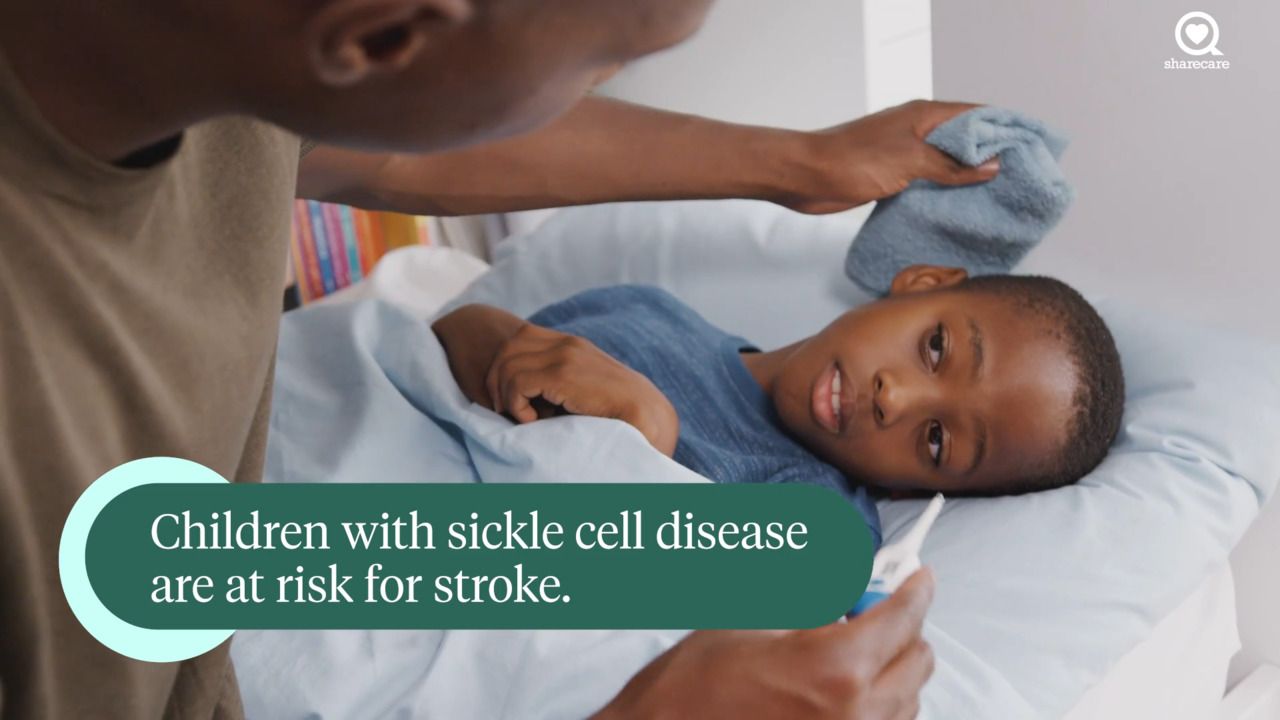
Sickled cells can also become trapped in small blood vessels, blocking blood flow and oxygen supply to tissues and organs. This is called a sickle cell crisis or vaso-occlusive crisis. These episodes can be intensely painful, can require hospitalization to manage, and can result in severe complications, including blood clots, organ damage, stroke, and infections.
Treatment for sickle cell disease
The main focus of treating sickle cell disease is preventing sickle cell crises, treating crises when they occur, and preventing complications. This can include lifestyle changes to help prevent crises, medications to reduce the frequency of crises, and steps to take to treat a crisis when one occurs, including pain medications, hydration, breathing, keeping warm, and knowing when and how to seek emergency care. Blood transfusions may be used to treat anemia and/or prevent stroke.
In some cases, sickle cell disease can be treated with a stem cell transplant or gene therapy. While these approaches offer a potential cure for this disease, not everyone is a candidate. Both approaches involve intense chemotherapy to kill off bone marrow that is producing sickled cells. This severely weakens the immune system, and recovery is a lengthy process that can take up to a year.
Your best source of information about treating sickle cell disease will be your healthcare team.
Sources: American Society of Hematology. Blood Ba... + 14
- American Society of Hematology. Blood Basics. Accessed Jun 1, 2026.
- Laura Barbalato and Leela Sharath Pillarisetty. Histology, Red Blood Cell. StatPearls. November 14, 2022.
- American Red Cross. What Do Blood Cells Do? June 27, 2023.
- Function of Red Blood Cells. Cleveland Clinic. August 8, 2021.
- National Organization for Rare Disorders. Sickle Cell Disease. March 14, 2024.
- MedlinePlus. HBB gene. March 14, 2024.
- Yostina Farid, Nicholas S. Bowman, and Paul Lecat. Biochemistry, Hemoglobin Synthesis. StatPearls. May 1, 2023.
- MedlinePlus Genetics. Sickle cell disease. March 14, 2024.
- MedlinePlus. Sickle cell disease. March 31, 2024.
- Mayo Clinic. Sickle cell anemia. December 23, 2025.
- American Society of Hematology. Anemia. Accessed Jun 1, 2026.
- Harvard Health Publishing. Sickle cell anemia. August 6, 2025.
- Cleveland Clinic. Sickle Cell Crisis. August 29, 2024.
- Mahesh B. Borhade, Preeti Patel, and Noah P. Kondamudi. Sickle Cell Crisis. StatPearls. February 25, 2024.
- Carrie MacMillan. Casgevy and Lyfgenia: Two Gene Therapies Approved for Sickle Cell Disease. Yale Medicine. December 19, 2023.