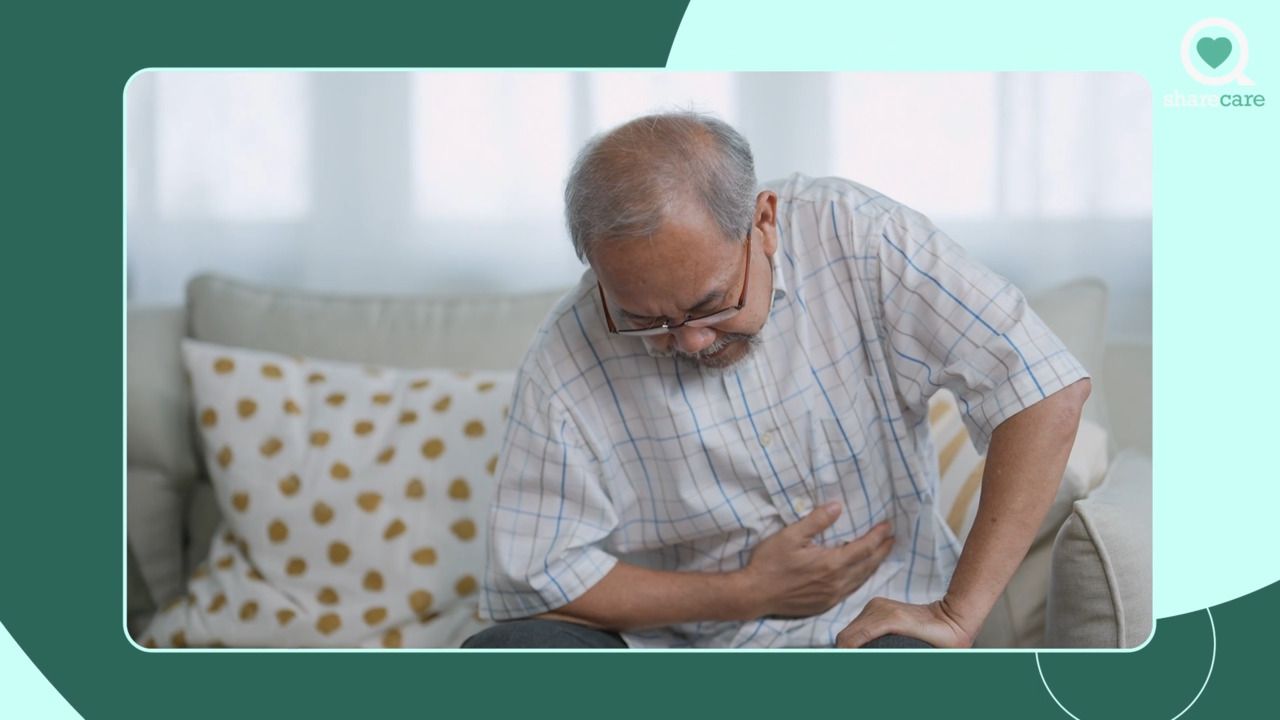


Whether mild or severe, abdominal pain affects almost everyone at some point or another, for a variety of reasons. It can be worrisome and uncomfortable, especially if you don’t know why it’s happening.
“Millions of Americans see a physician every year for abdominal complaints," says Robert Shmuts, DO, a gastroenterologist in Willingboro, New Jersey. He says that most of his patients with abdominal pain have a common bowel issue like constipation or diarrhea. But several other health conditions can lead to abdominal pain, as well.
With that in mind, here are some of the other causes your physician or other healthcare provider (HCP) may check for.
Inflammatory bowel disease (IBD)
Inflammatory bowel disease is an umbrella term for a group of conditions, usually Crohn’s disease or ulcerative colitis, that affect the gastrointestinal tract (GI).
- Ulcerative colitis only occurs in the innermost lining of the large intestine.
- Crohn’s disease can affect any area of the GI tract, from the mouth to the anus.
With both conditions, inflammation and ulcers develop because the immune system mistakenly attacks the body’s own healthy tissues and cells. IBD can lead to abdominal cramps and pain, unwanted weight loss, and diarrhea.
Medication can help relieve symptoms and manage inflammation for many people with IBD, though surgery is sometimes needed when other treatments aren’t helping enough.
Certain medications and alcohol
A burning sensation in the stomach may indicate a peptic ulcer—an open sore in the lining of your stomach or small intestine. Ulcers often develop when certain medications or an infection with Helicobacter pylori (H. pylori) damage the protective lining, which is then further eroded by stomach acid.
Certain nonsteroidal anti-inflammatory medications like ibuprofen and aspirin may increase the risk of ulcers, says Shmuts, as can some steroids. Alcohol and tobacco can worsen ulcers—and increase your risk of them, too.
An HCP may recommend antacids, antibiotics, or acid blockers if you have ulcers.
Appendicitis
Pain on the right side of the abdomen that gets worse as time goes on may be a sign of appendicitis, or inflammation of the appendix. Other appendicitis symptoms include loss of appetite, vomiting, and constipation. Most of the time, treatment will be an appendectomy, which is surgery to remove the infected organ. In some less-complicated cases, however, antibiotic medications can be delivered intravenously (via an IV).
Endometriosis of the bowel
Bowel endometriosis occurs when tissue that usually grows in the uterus instead grows on the surface of the bowel (intestine) or in the bowel wall. In addition to pain, Shmuts says he sees patients come in with heavy rectal bleeding during periods.
Other symptoms may include straining when trying to pass a bowel movement and severe pelvic pain during sex. Painkillers can help ease symptoms, and surgery such as laparoscopy may be used to remove affected areas of the bowel.
Peritonitis
Peritonitis is an irritation that happens when blood, body fluids, or pus collects in the abdominal cavity. It can cause abdominal pain that may worsen when you move around and tenderness when the belly is touched. It can also cause bloating, bowel trouble, and excessive fatigue.
Peritonitis is a very serious health condition. Surgery may be needed to remove the infected tissue and repair damage, especially if the rupture involves the appendix, stomach, or colon.
Seek help when you have symptoms
Any persistent abdominal pain is worth seeing your HCP about, says Shmuts. It’s especially important to see an HCP right away if you’re having tarry, dark bowel movements, since these signs may indicate you have bleeding in your GI tract. Get in touch with your HCP for unexplained weight loss, fever, chills, sweating, nausea, or loss of appetite, as well.
To determine when to see your HCP, Shmuts recommends asking yourself the following questions:
- Are these symptoms limiting your daily functions or activities?
- Are you losing weight or do you have any other symptoms listed above?
- Are there other unexplained symptoms in addition to abdominal pain, such as blurred vision, oral ulcers, rashes, or easy bruising?
If the answer to any of these questions is yes, you would likely benefit from an evaluation.
To make a diagnosis, your HCP will ask about your symptoms and personal and family health history. They’ll examine your abdomen and may perform a rectal exam. Additional testing may include blood tests, abdominal X-rays or other imaging, and perhaps a colonoscopy. Based on the results, they can determine a treatment plan that’s right for you.
Sources: Crohn’s & Colitis Foundation. What are C... + 15
- Crohn’s & Colitis Foundation. What are Crohn’s & Colitis? Accessed July 20, 2026.
- Office on Women’s Health. Inflammatory Bowel Disease. February 3, 2025.
- National Institute of Diabetes and Digestive and Kidney Diseases. Symptoms & Causes of Crohn’s Disease. July 2024.
- National Institute of Diabetes and Digestive and Kidney Diseases. Ulcerative Colitis. Accessed July 20, 2026.
- National Institute of Diabetes and Digestive and Kidney Diseases. Definition & Facts for Peptic Ulcers (Stomach or Duodenal Ulcers). September 2022.
- Mayo Clinic. Peptic Ulcer. August 16, 2024.
- Drini M. Peptic ulcer disease and non-steroidal anti-inflammatory drugs. Aust Prescr. 2017 Jun;40(3):91-93.
- MedlinePlus. Appendicitis. December 2, 2025.
- National Institute of Diabetes and Digestive and Kidney Diseases. Symptoms & Causes of Appendicitis. July 2021.
- CODA Collaborative; Flum DR, Davidson GH, et al. A Randomized Trial Comparing Antibiotics with Appendectomy for Appendicitis. N Engl J Med. 2020 Nov 12;383(20):1907-1919.
- MedlinePlus. Appendectomy – series—Indications. January 1, 2026.
- Endometriosis UK. Endometriosis and the Bowel. Accessed July 20, 2026.
- Mayo Clinic. Peritonitis. August 8, 2025.
- MedlinePlus. Peritonitis. January 10, 2026.
- Johns Hopkins Medicine. Peritonitis. Accessed July 20, 2026.
- MedlinePlus. Point Tenderness – abdomen. October 9, 2024.