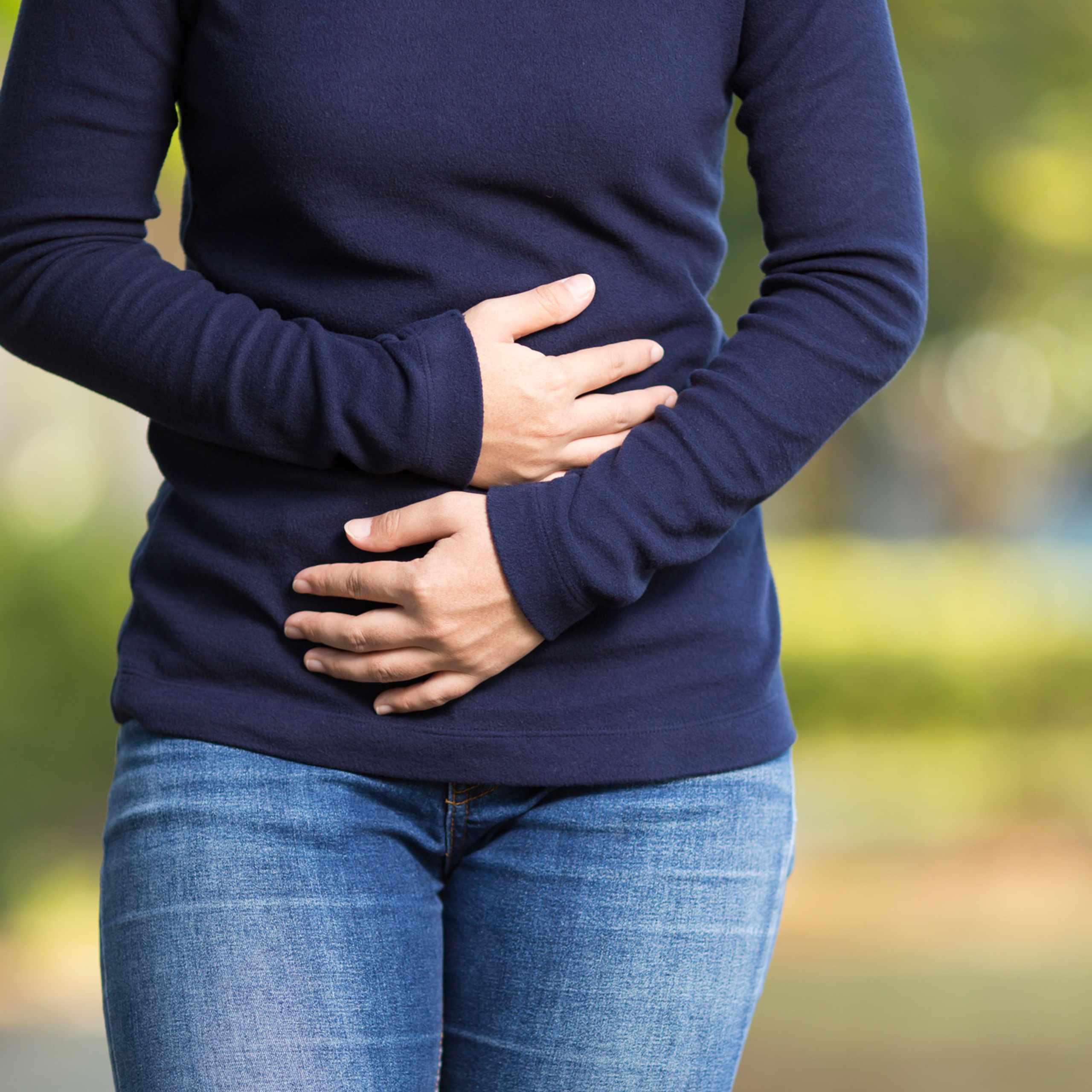
Unless you're experiencing sharp pain, aches, or cramping, you probably don't think about the internal workings of your belly much Even then, you may dismiss the discomfort or pain as just gas—or some other minor disturbance—and simply wait for it to go away.
But you don't have to live with the pain. Whether your abdominal pain or discomfort is a sharp, short-term annoyance or a chronic hurt that bothers you consistently, you have options for making it go away. The first step is figuring out what's causing the pain so that you can treat the source.
What's going on in there?
Sometimes it's difficult to determine the root cause of a bellyache. The causes of abdominal pain could stem from any one of a number of structures and organs within your abdomen, including your appendix, kidneys, liver, reproductive organs, and aorta. Or, it could be caused by any of the organs involved in digestion, such as your stomach, pancreas, gallbladder, or intestines. You also have a myriad of muscles, tendons, and other connective tissue located in this region of the body. Abdominal pain could even be caused by problems completely unrelated to the abdomen, such as a heart attack or pneumonia.
If you have abdominal pain, and it's chronic, severe, or in any way worrisome to you, it's best to get an opinion from a healthcare provider (HCP) on what might be amiss.
Your HCP will ask you questions about your pain. These questions, combined with your medical history and physical exam, are designed to help pinpoint possible stomach pain causes.
For starters, tell your HCP:
- When the pain began
- Where the pain is located and whether it's in a specific location or all over
- What kind of pain it is (such as sharp, dull, or throbbing)
- How severe the pain is
- How frequently you feel the pain
- What makes it worse and what makes it better
- How the pain is affecting your life
Is it serious?
Abdominal pain can vary greatly, from minor to excruciating. But sometimes even severe pain can result from something relatively harmless and, conversely, more serious conditions may not yield severe pain.
For example, most people know what it's like to be doubled over with gas pain. Yet some serious problems, such as celiac disease or colon cancer, may not cause you too much discomfort in the early stages.
In short, don't judge your problems solely by the severity of your pain. Severe, incapacitating pain is always a reason to see your HCP right away. But for mild to moderate pain, consider the following red flags as well, and call your HCP if you experience them:
- Abdominal discomfort that lasts a week or longer
- Abdominal swelling
- Bloating that lasts longer than two days (not associated with PMS)
- Diarrhea for more than three days
- Fever with your pain
- Pain that develops during pregnancy (or possible pregnancy)
- Prolonged poor appetite
- Tenderness of the abdomen
- Unexplained weight loss
- Black, tarry stool
- Thin, ribbon-like stool
Signs that you need to see a HCP immediately include the following:
- A rigid abdomen
- A high fever with your pain (over 101°F)
- Bloody diarrhea
- Vomiting or an inability to keep food down
- An inability to pass stool, gas, or urine
- Pain that is incapacitating, lasts several hours, is accompanied by vomiting or might be symptomatic of a medical emergency, such as a heart attack
Smart self-care
What helps stomach pain in mild cases? If you're having mild abdominal pain or discomfort, or need a little relief from the pain until you see your HCP, here are six self-help steps you can try. They may help relieve some, but not all, instances of gastrointestinal pain.
- Drink plenty of water, but take infrequent, small sips.
- Avoid foods that are known to exacerbate some causes of abdominal pain, such as gas, diarrhea, constipation or heartburn. This includes greasy foods, spicy foods, citrus, tomato products, dairy products, and chocolate.
- Cut back on foods and beverages that contain alcohol or caffeine.
- Avoid medications known to irritate the stomach lining, such as nonsteroidal anti-inflammatory drugs (NSAIDs). If your prescription medications cause stomach upset, speak to your HCP before discontinuing them.
- For pain related to stomach acid, try over-the-counter antacids. Gas pain may be relieved with antacids that contain simethicone and activated charcoal.
- After pain subsides, eat a bland diet for a day or so.
Some digestive problems are minor and can be remedied with self-care. Others may require prescription treatments or—although rare—may constitute a potential medical emergency. The first step: Speak with your HCP so you can get an accurate abdominal pain diagnosis. If you have regular abdominal troubles, make an appointment today.
Sources: MedlinePlus. Abdominal pain. Review Date... + 2
- MedlinePlus. Abdominal pain. Review Date February 7, 2022.
- Cleveland Clinic. Abdominal Pain. Last reviewed on April 18, 2022.
- Gotfried, Jonathan, MD. Acute Abdominal Pain. Merck Manual, Consumer Version. Reviewed/Revised January 2022.