
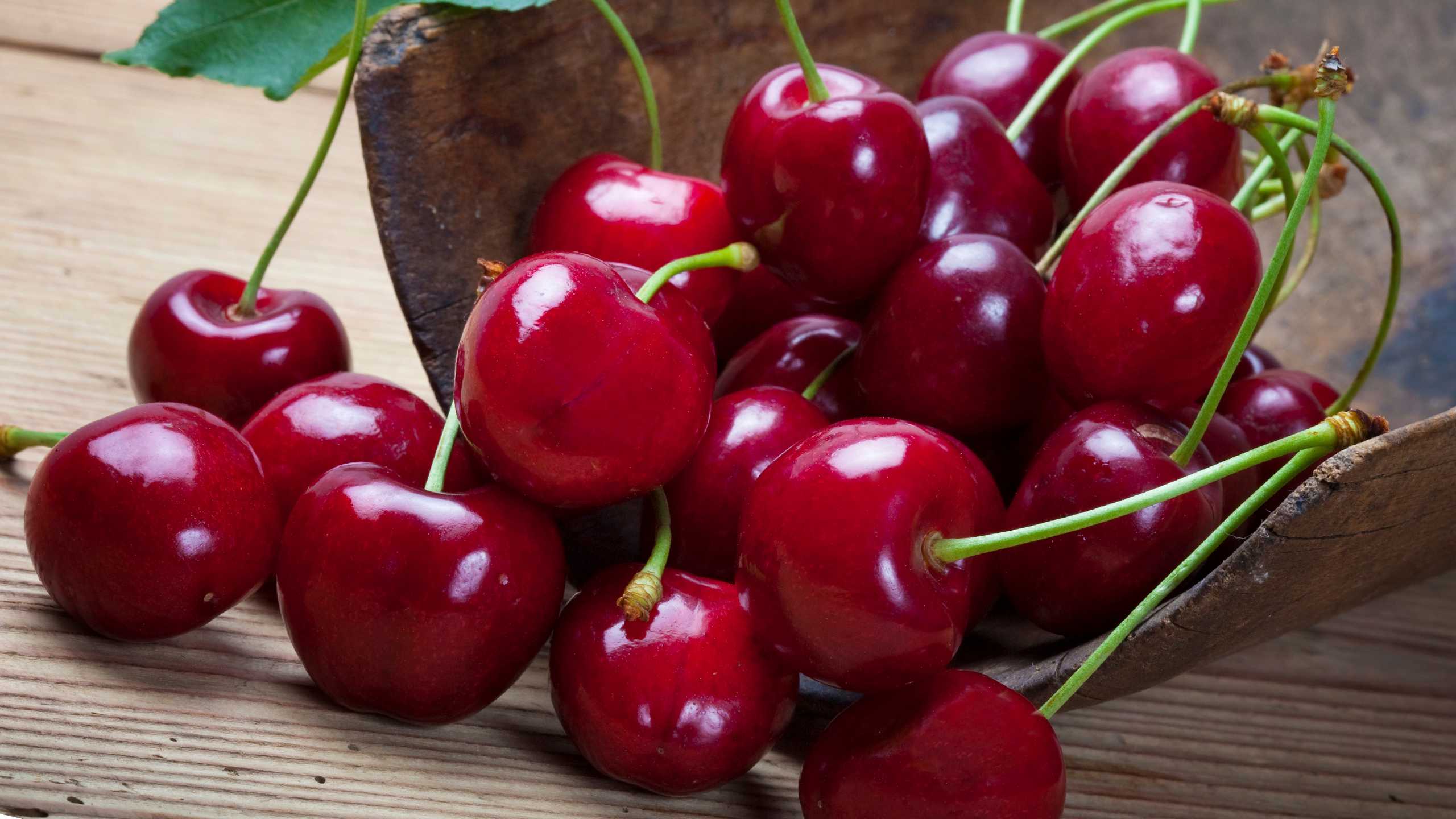
Sure, you could use those tart cherries to bake a delicious pie for your cookout, but did you know they can help make hamburgers healthier, too?
When meat is cooked at high temperatures or for too long, compounds called heterocyclic amines (HCAs) can form. HCAs are linked to an increased risk of developing several different types of cancer, including colorectal, pancreatic, and prostate cancer.
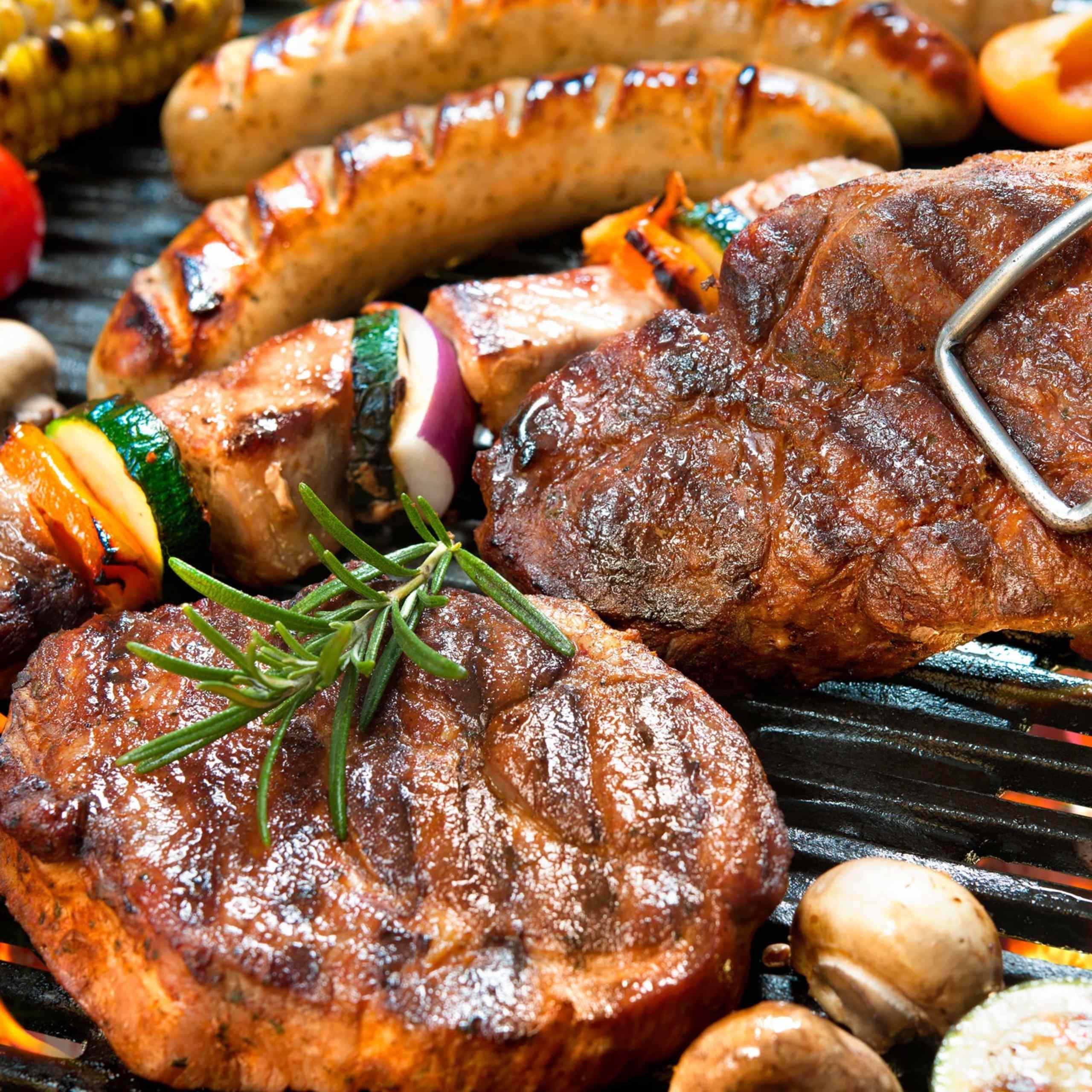
Your best bet for reducing HCAs is to use lower-temperature cooking methods like stewing, boiling, or baking. But if you grill, swapping in sour cherries for some of the ground meat creates a juicier burger, which inhibits the formation of HCAs during the cooking process.
Other ways to reduce HCAs
Don’t have cherries on hand? Here are some other tips for reducing carcinogens (cancer-causing agents) when you’re cooking burgers:
Turn down the temperature
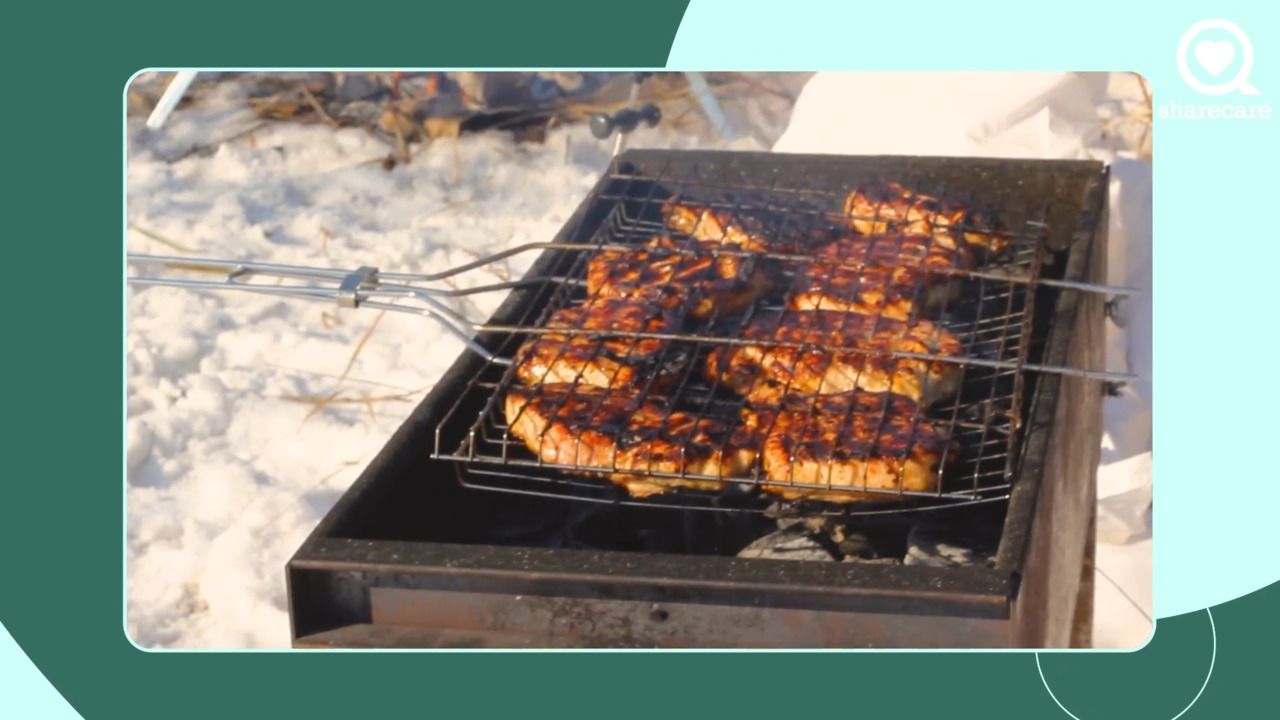
Set your grill's temperature between 320 and 356 degrees Fahrenheit (160 to 180 degrees Celsius). Higher temps don't save much cooking time, but they do increase the formation of HCAs. Invest in a meat thermometer to make sure you cook meats to the proper internal temperature, so you can avoid bacteria like Salmonella.
Keep flipping
Flip your burgers every minute or so while grilling. They'll cook faster and form fewer HCAs than if you flip them just once halfway through cooking.
Microwave first
Microwave meats for 1-1/2 to 2 minutes before grilling. Spending less time over an open fire means there’s less time for carcinogens to form.
Marinate
Marinate meats for at least 30 minutes before cooking to reduce the formation of HCAs. Good marinade choices include olive oil, red wine vinegar, teriyaki sauce, or citrus juices. Add garlic, onion, herbs, and spices for extra flavor.
A heart-healthy bonus
Substituting red meat for tart cherries can also significantly reduce a burger’s saturated fat content. Eating too much saturated fat over time is linked to higher risks of cardiovascular (heart and blood vessel) issues, including heart disease and stroke.
Want to reduce saturated fat even further? Swap in a leaner protein. Grill chicken breast, ground turkey, or fish at your next cookout.
Sources: Cancer.gov. Cooked Meats and Cancer Risk... + 3
- Cancer.gov. Cooked Meats and Cancer Risk Fact Sheet. July 11, 2017.
- American Chemical Society. Cherry Hamburgers Lower In Suspected Carcinogens. ScienceDaily. ScienceDaily, 15 December 1998.
- American Institute for Cancer Research. How Can You Make Grilling Safe. Accessed February 16, 2026.
- Columbia Surgery. How to Safely Grill to Decrease Your Risk of Cancer. August 5, 2015.