







1 of 8
In the wake of trendy diets that promote eating little to no fat, this essential nutrient has gotten a bad reputation. But not all dietary fats are created equal. There are unhealthy kinds that should be limited or avoided altogether and healthy kinds that deserve a place at the dinner table. Our bodies rely on healthy fats to function well. Knowing which to choose can make a big difference in your overall well-being.
Saturated fats found in foods like beef, pork, and coconut oil are linked to high cholesterol, stroke, and heart disease. Trans fats have largely been phased out of food products in the United States, but they can still be found in certain processed and packaged foods like pastries, fried foods made with partially hydrogenated oils, and some frozen meals. Trans fats can raise levels of low-density lipoprotein (LDL, aka “bad” cholesterol), lower levels of high-density lipoprotein (HDL, aka “good” cholesterol), and increase your risk for type 2 diabetes.
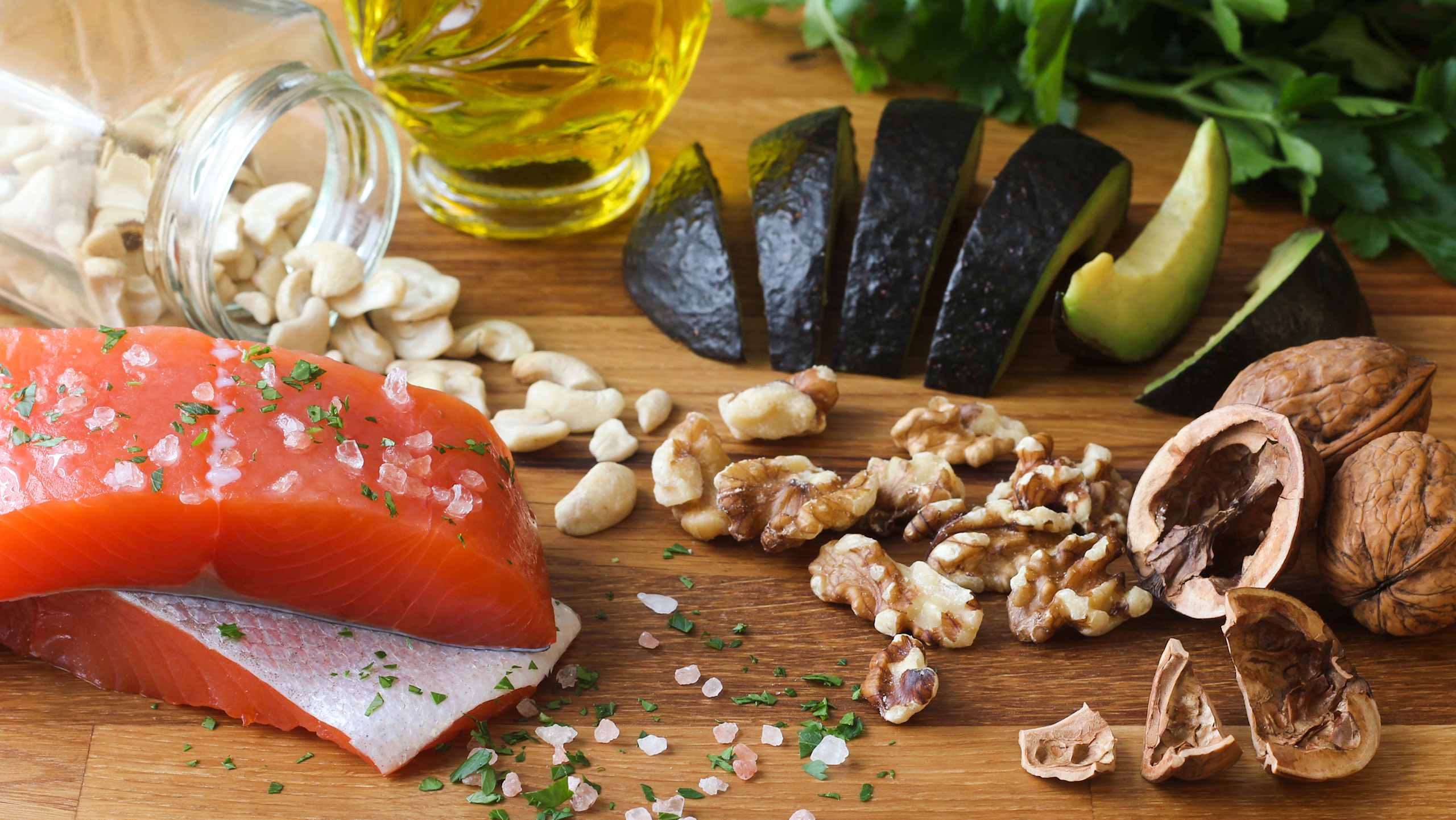
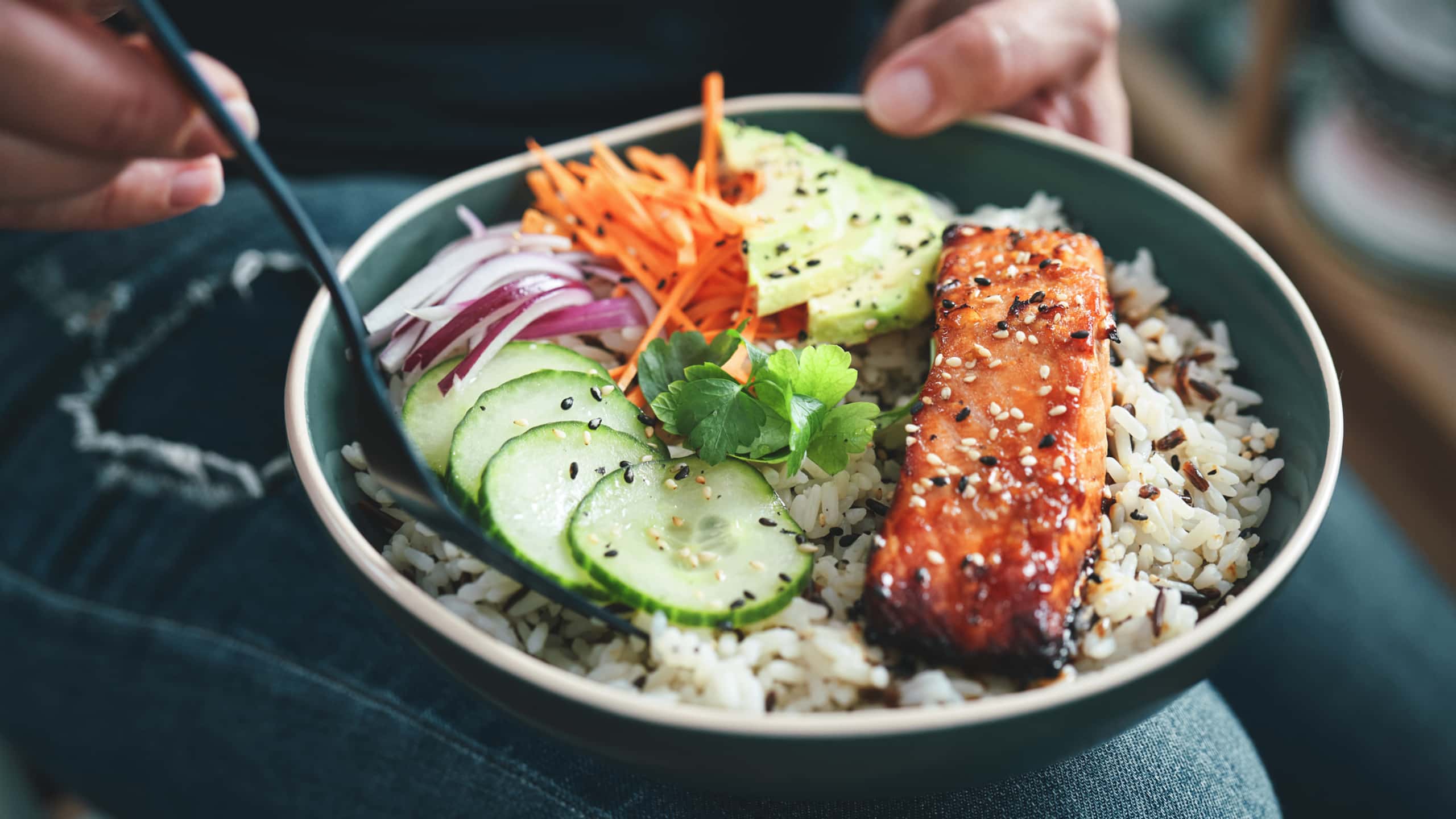
What you want in your diet instead are unsaturated fats and omega-3 fatty acids, found primarily in plant products like nuts, olives and seeds, and in fish such as salmon. Both polyunsaturated fats (like omega-3 fatty acids) and monounsaturated fats help lower cholesterol levels and boost heart health. Read on for more good reasons to eat healthy fats.
Sources: Danielle Mary Edwards,Peter Ondish,Roni ... + 17
- Danielle Mary Edwards,Peter Ondish,Roni Neff,Increasing meatless options to decrease meat consumption – a quantitative analysis of the relationship between the percentage of meatless items offered on a specials menu and meatless purchases, Food Quality and Preference, 137, (105763), (2026).
- MedlinePlus. Facts about saturated fats. May 14, 2024.
- MedlinePlus. Facts about polyunsaturated fats. May 14, 2024.
- MedlinePlus. Facts about monounsaturated fats. May 14, 2024.
- Food and Drug Administration. Trans fat. Accessed August 6, 2022.
- Centers for Disease Control and Prevention. Heart Disease: Heart Disease Facts. October 24, 2024.
- Harvard TH Chan School of Public Health. Types of Fat. Accessed May 27, 2024.
- Whittaker J, Wu K. Low-fat diets and testosterone in men: Systematic review and meta-analysis of intervention studies. J Steroid Biochem Mol Biol. 2021 Jun;210:105878.
- Prentice RL, Aragaki AK, et al. Low-Fat Dietary Pattern among Postmenopausal Women Influences Long-Term Cancer, Cardiovascular Disease, and Diabetes Outcomes. J Nutr. 2019 Sep 1;149(9):1565-1574.
- Xiao Y, Xia J, et al. Associations between dietary patterns and the risk of breast cancer: a systematic review and meta-analysis of observational studies. Breast Cancer Res. 2019 Jan 29;21(1):16.
- Lodi M, Kiehl A, et al. Lipid Intake and Breast Cancer Risk: Is There a Link? A New Focus and Meta-Analysis. Eur J Breast Health. 2022 Apr 1;18(2):108-126. doi: 10.4274/ejbh.galenos.2021.2021-11-2
- Guarneiri LL, Paton CM, Cooper JA. Pecan-Enriched Diets Alter Cholesterol Profiles and Triglycerides in Adults at Risk for Cardiovascular Disease in a Randomized, Controlled Trial. J Nutr. 2021 Oct 1;151(10):3091-3101.
- National Cancer Institute. Fat-soluble vitamin. Accessed May 27. 2025.
- MedlinePlus. Vitamins. January 19, 2023.
- Dighriri IM, Alsubaie AM, et al. Effects of Omega-3 Polyunsaturated Fatty Acids on Brain Functions: A Systematic Review. Cureus. 2022 Oct 9;14(10):e30091.
- American Heart Association. Fish and Omega-3 Fatty Acids. August 23, 2024.
- Harvard Health Blog. A Practical Guide to the Mediterranean Diet. Harvard Health Publishing. March 22, 2023.
- Office of Dietary Supplements. Omega-3 Fatty Acids. National Institutes of Health. July 18, 2022.