

Perimenopause (also known as the menopausal transition) is the phase that precedes menopause, or the point when a person has gone 12 months without menstruating. Perimenopause typically begins between ages 45 and 55, though it can occur at younger and older ages.
While it’s normal part of aging, perimenopause comes with a number of uncomfortable symptoms. One common symptom is disrupted sleep.
What is disrupted sleep?
Disrupted sleep can refer to difficulty falling asleep, difficulty staying asleep, waking up frequently during the night, or waking very early in the morning. Some people may find that the sleep they do get is non-restorative—they seem to sleep enough, but sleep does not help them feel recovered or refreshed.
How can perimenopause interfere with sleep?
Disrupted sleep may be the result of one or several factors linked to perimenopause:
Vasomotor symptoms
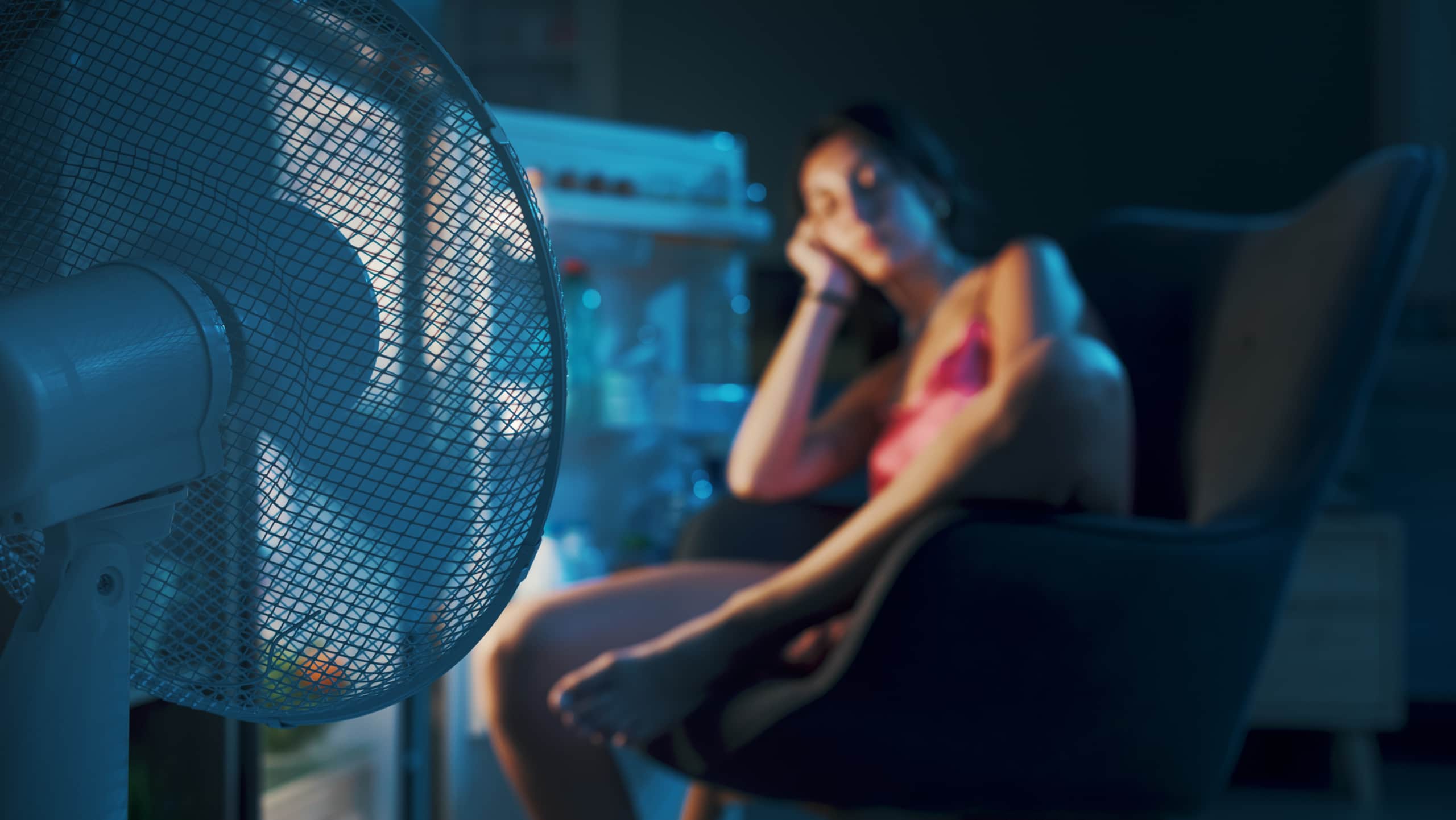
The most common symptoms associated with perimenopause are hot flashes and night sweats. These are sudden episodes of feeling uncomfortably warm or hot. During an episode, a person may also experience skin flushing, sweating, and increased heart rate. Episodes can last up to a few minutes and are sometimes followed by chills. Night sweats are hot flashes that occur during sleep.
Hormonal fluctuations
During menopause, levels of female sex hormones—estrogen and progesterone—fluctuate and decrease. Hormone fluctuations can disrupt normal sleep cycles. In addition to female sex hormones, melatonin levels decrease with age. Melatonin is a hormone produced by the brain that helps regulate sleep cycles.
Mood disorders
A person may be at a greater risk for depression and anxiety during perimenopause. This includes relapses of previous mood disorders. The relationship between mood disorders and sleep disorders is cyclical—anxiety and depression can interfere with sleep, and sleep disorders can contribute to depression and anxiety.
Obstructive sleep apnea
Obstructive sleep apnea is a condition where the airways collapse and become blocked during sleep, preventing a person from breathing. This disrupts sleep and can happen 30 times per hour or more during the night. The risk of obstructive sleep apnea increases during perimenopause, and the risk continues to increase post-menopause. Weight gain is often a contributing factor.
Sleep-related movement disorders
Restless legs syndrome involves strong impulses to move the legs. Periodic limb movement disorder (PLMD) involves the involuntary movement of arms and/or legs. Both conditions are more common among people in perimenopause and can impair sleep.
Sleep disturbances can have other causes
Additionally, sleep disturbances that occur during perimenopause may have other causes and contributing factors—other health conditions, major life events that cause stress, medications, unhealthy habits (nicotine, alcohol, or too much caffeine), and irregular work schedules can all interfere with sleep.
Sleep disorders can be treated
Remember, quality sleep is essential to good health and a good quality of life. If you are experiencing difficulty sleeping or have noticed a change in your sleep habits, it’s important to speak with a healthcare provider (HCP), who can diagnose the cause and prescribe an appropriate treatment to help.
Not getting enough sleep or enough restorative sleep can have serious consequences for a person’s health and quality of life.
- It can contribute to daytime sleepiness, fatigue, low moods, and problems with memory and concentration.
- It can also negatively affect work, relationships, and other important areas of a person’s life.
- Even one night of poor sleep can increase the risk of injuries and accidents.
- Long-term, chronic sleep debt can increase a person’s risk of developing diabetes, cardiovascular disease, and other serious health problems.
Treatment may involve lifestyle modifications, such as exercising more, eating differently, and reducing stress. There are also medications—both hormone therapies and non-hormone therapies—that can help control and ease vasomotor symptoms. A HCP will be your best source of information about treatment.
Sources: National Institute on Aging. What Is Men... + 13
- National Institute on Aging. What Is Menopause? October 16, 2024.
- Johns Hopkins Medicine. Perimenopause. Accessed April 21, 2026.
- Lee J, Han Y, et al. Sleep Disorders and Menopause. J Menopausal Med. 2019 Aug;25(2):83-87.
- Peacock K, Carlson K, Ketvertis KM. Menopause. 2023 Dec 21. In: StatPearls [Internet]. Treasure Island (FL): StatPearls Publishing; 2026 Jan–.
- Merck Manual Professional Version. Menopause. January 2024.
- Salari N, Hasheminezhad R, et al. Global prevalence of sleep disorders during menopause: a meta-analysis. Sleep Breath. 2023 Oct;27(5):1883-1897.
- MedlinePlus. Sleep Apnea. September 28, 2025.
- Troìa L, Garassino M, et al. Sleep Disturbance and Perimenopause: A Narrative Review. J Clin Med. 2025 Feb 23;14(5):1479.
- Mayo Clinic. Restless legs syndrome. February 25, 2025.
- MedlinePlus. Sleep Disorders. December 4, 2025.
- Harvard Medical School Division of Sleep Medicine. Risk Factors for Insomnia. October 1, 2021.
- Centers for Disease Control and Prevention. About Sleep. May 15, 2024.
- Huang K, Ihm J. Sleep and Injury Risk. Curr Sports Med Rep. 2021 Jun 1;20(6):286-290.
- Khan SJ, Kapoor E, et al. Vasomotor Symptoms During Menopause: A Practical Guide on Current Treatments and Future Perspectives. Int J Womens Health. 2023 Feb 14;15:273-287.