Physical activity can have a number of benefits to people during perimenopause and during the postmenopausal years.
Why culturally competent healthcare is essential during menopause.
A second opinion can be helpful when managing menopause-related symptoms and making decisions about your health.
How a journal can help you keep track of hot flashes, night sweats, and other menopause-related symptoms.
An overview of hot flashes and night sweats, including information on treatment, impact, and racial disparities.
A guide to the part of the brain where hot flashes and night sweats originate, and why it matters in the treatment of VMS.
Hot flashes at work are not always avoidable, but these strategies can help you cope with VMS during the workday.
Strategies for easing vasomotor symptoms during perimenopause.
Understanding perimenopause, menopause, and postmenopause, and the symptoms that can occur at these stages.
Some of the most common symptoms of menopause are called vasomotor symptoms, or VMS.
Learn how medications can help make hot flashes and night sweats more manageable during menopause.
A look at why hot flashes and night sweats occur during menopausal transition, including triggers to avoid.
What you and your healthcare provider need to discuss before you start a medication for vasomotor symptoms (VMS).
Try these strategies to make uncomfortable subjects a little easier to talk about with your healthcare provider.
A look at the complex relationship between VMS (hot flashes and night sweats) and anxiety during menopause.
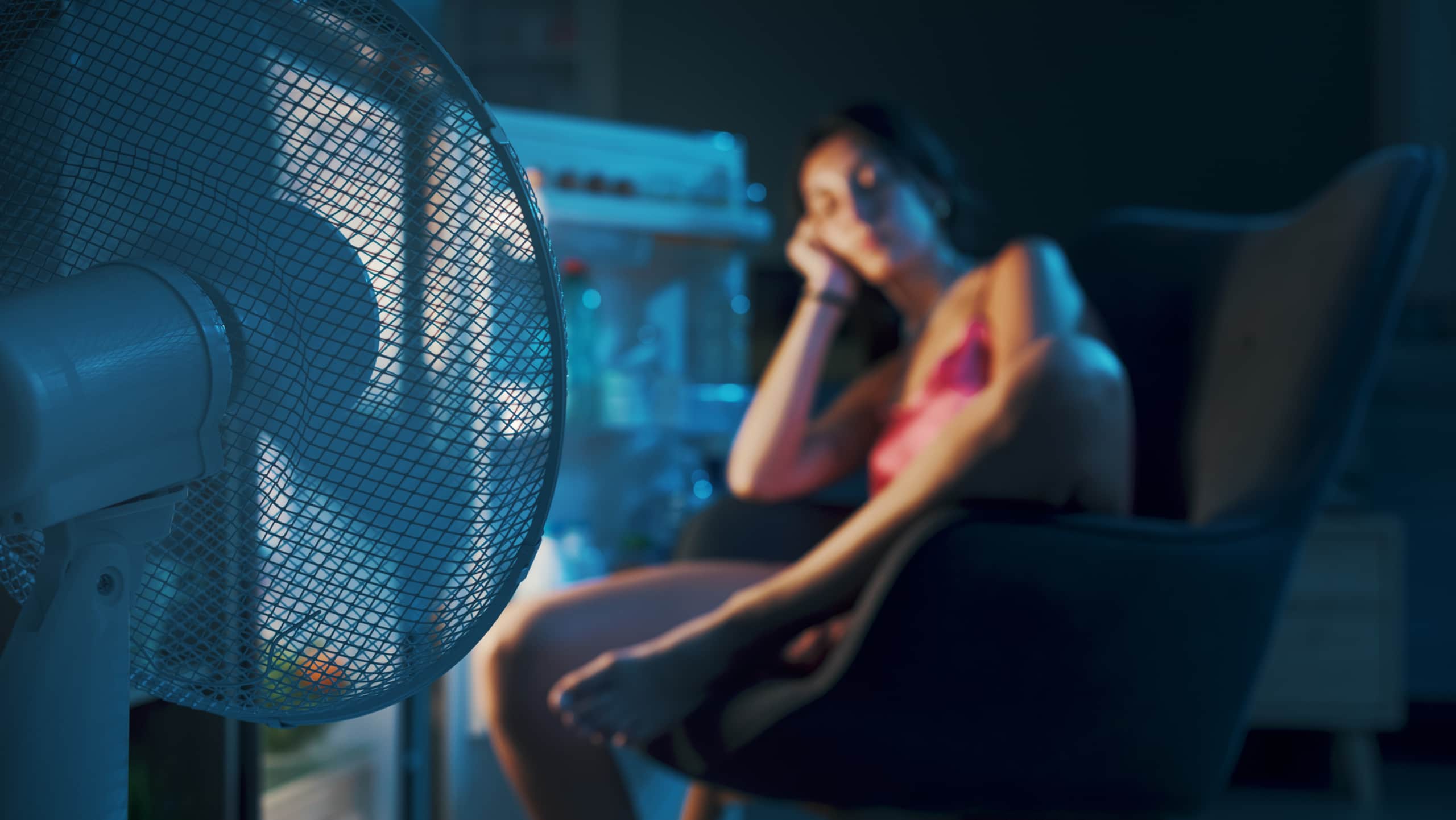
Sleep disturbances can be caused by fluctuating hormones, night sweats, or something else entirely.
Not everyone's experience with VMS is the same.
Why mental health should be a priority during menopausal transition.
VMS can affect many aspects of your life, from how you do your job to your personal relationships.