
The triatomine bug, often called the “kissing bug,” is a flying insect that feeds on the blood of humans and animals. Typically active at night, kissing bugs can be infected by a parasite that causes Chagas disease, a condition with long-term and potentially lethal consequences. Here’s what you should know.
Where is the kissing bug found?
Kissing bugs are common in Mexico, South and Central America, particularly in rural areas. The bug can also be found across much of the southern half of the United States, most often in Texas, New Mexico, and Arizona. The first recorded case of Chagas in the U.S. occurred in Texas in 1955.
About 280,000 people in the U.S. are thought to have Chagas, according to the Centers for Disease Control and Prevention (CDC). Most are unaware that they have it.
What is Chagas disease?
Chagas disease comes from a parasite called Trypanosoma cruzi, which is carried by the kissing bug as well other insects. Small animals, such as raccoons and skunks, also carry T. cruzi, but humans don’t get it from animals.
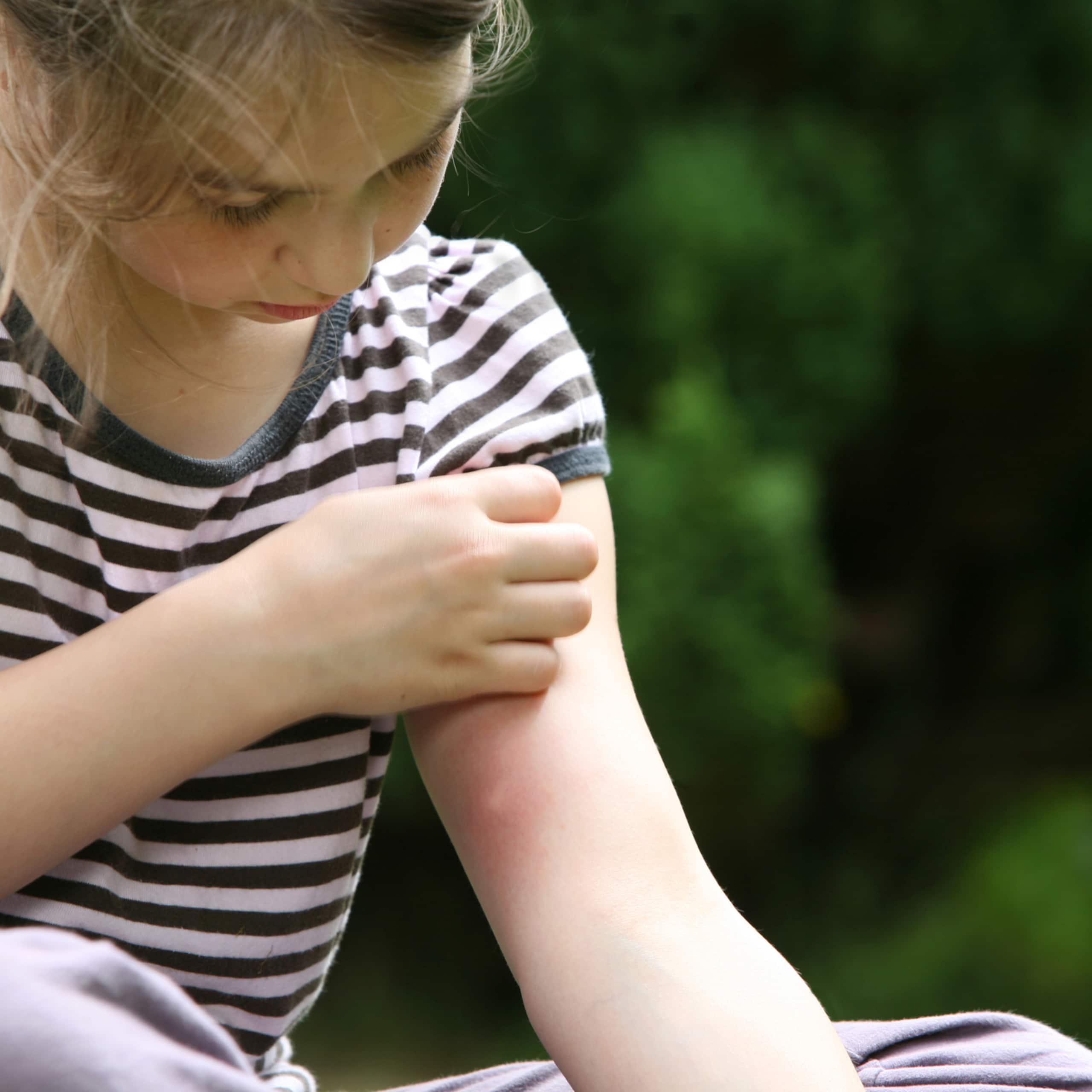
An infection has two phases. In the acute phase, right after transmission, symptoms—if they appear at all—are mild and flu-like. They may include fever, chills, aches, and swelling at the bite site. One of the most recognized and obvious symptoms of acute Chagas disease, however, is called Romaña's sign. This is marked by a puffy swelling of the eyelids. It occurs most prominently on the side of the face that was bitten, or where the bug feces were deposited or rubbed into the eye by accident.
In about two-thirds of people who are infected, the disease goes into remission after the acute phase and does not return. For the other one-third, if left untreated, the chronic phase begins, often years later. Symptoms can include chronic stomach and digestive issues, increased risk of stroke, irregular heartbeat, and an enlarged heart.
How is Chagas disease transmitted?
Triatomine bugs are nocturnal insects that tend to bite humans on the face and lips while they’re sleeping—hence the name, kissing bug. But it takes more than a bite to become infected. The bugs tend to defecate after they bite, and the feces must enter the bite wound or a mucous membrane, such as the eye. This may happen when a person feels a bite and then brushes away at the spot, inadvertently infecting themselves.
Is it contagious?
Once you have Chagas disease, you’re not contagious under most circumstances. Exceptions are transmission from pregnant person to fetus, and transmission from blood transfusions and organ transplants.
What does the kissing bug look like?
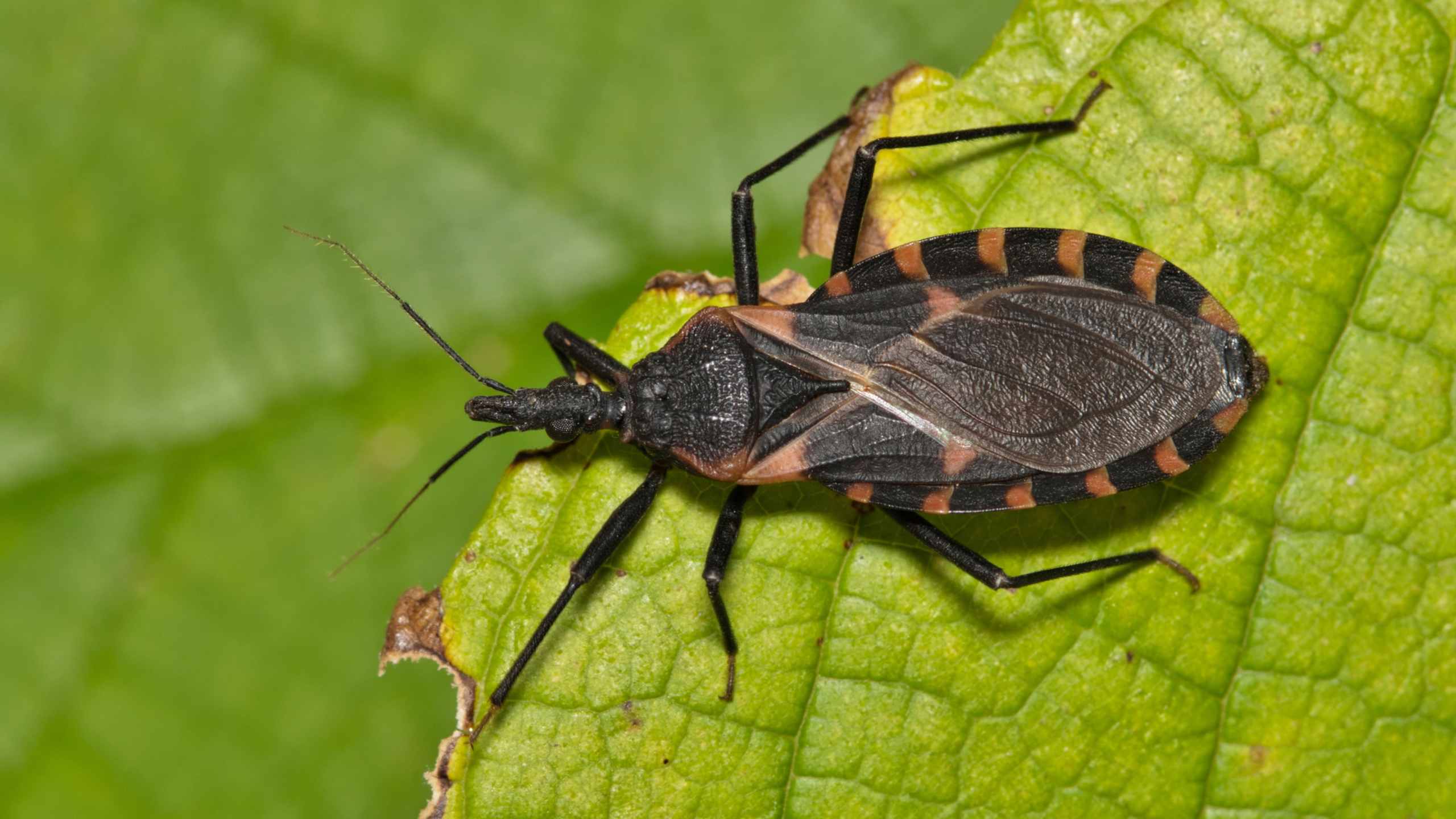
Kissing bugs are about the size of a penny and have yellow or orange stripes around the outline of their bodies. They’re often mistaken for assassin bugs or wheel bugs, which look similar.
What should I do if I’m bitten?
If you think you’ve encountered a kissing bug, the CDC advises you not to squish it. Rather, preserve it in rubbing alcohol or freeze it and bring it to a nearby university or your local health department for identification. You should also seek medical attention for the bite. Treatments include antiparasitic medication and taking steps to manage symptoms. The earlier you begin treatment, the better it will work.
Sources: Texas A&M University. Kissing Bugs & Cha... + 8
- Texas A&M University. Kissing Bugs & Chagas Disease in the United States: FAQ. Accessed March 27, 2025.
- Texas A&M University. Kissing Bugs & Chagas Disease in the United States: Overview. Accessed March 27, 2025.
- ChagasUS.org. Quick Facts. Accessed March 27, 2025.
- Centers for Disease Control and Prevention. Chagas Disease: About Chagas Disease. September 4, 2024.
- Centers for Disease Control and Prevention. Chagas Disease Provider Fact Sheet. June 18, 2018.
- Centers for Disease Control and Prevention. Chagas Disease: Information on Species of Triatomine Bugs in the United States. February 24, 2024.
- Jennie Erin Smith. America’s War on the Kissing Bug. November 20, 2015.
- MedlinePlus. Chagas disease. December 4, 2022.
- Centers for Disease Control and Prevention. Chagas Disease: Treatment of Chagas Disease. February 9, 2024.