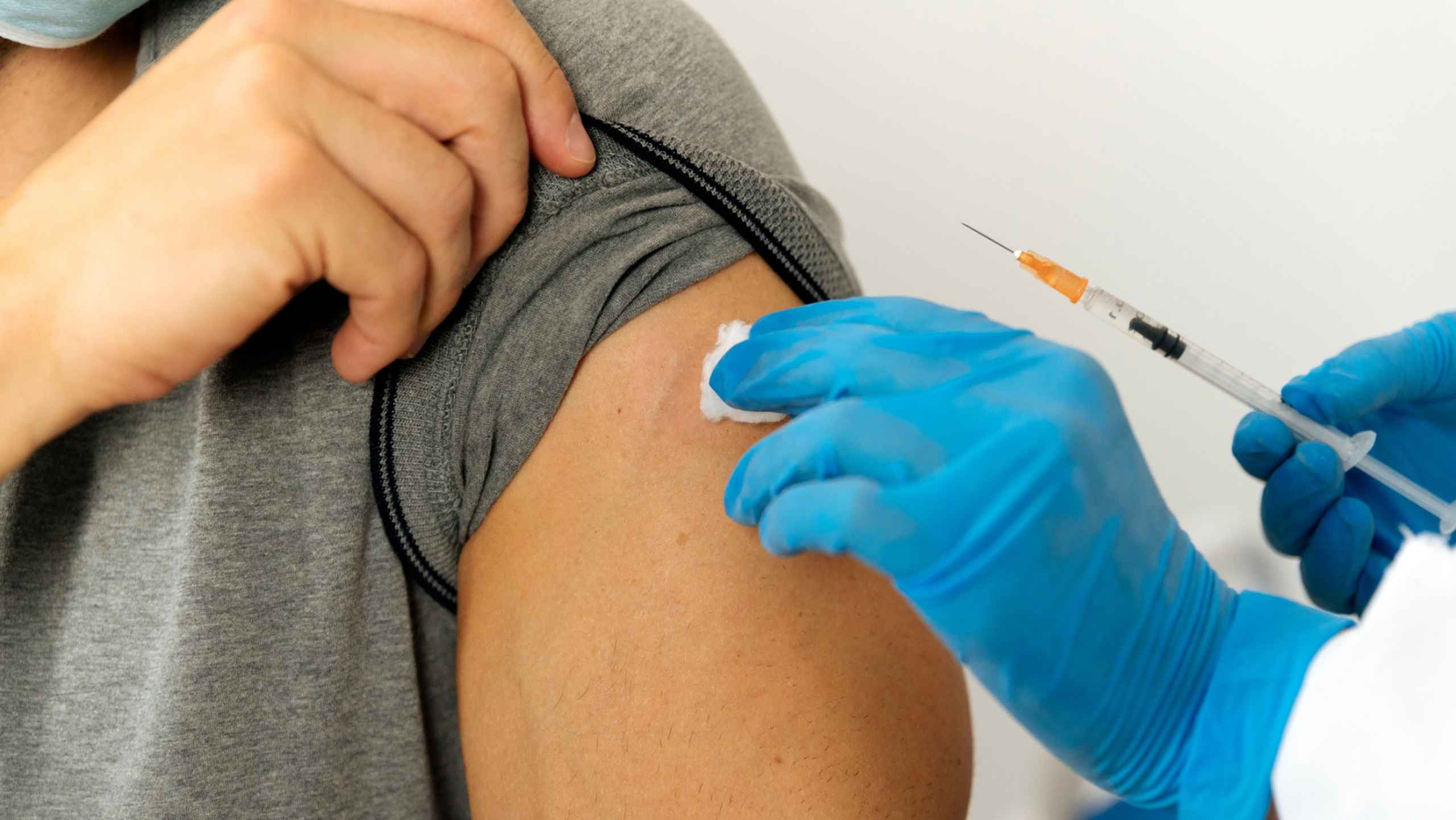


COVID-19 is a respiratory illness caused by the SARS-CoV-2 virus. This virus was first identified in late 2019 and COVID-19 was declared a global pandemic in March 2020. While COVID-19 infections are no longer considered a global health emergency, COVID-19 remains a public health concern, and the virus continues to spread through populations throughout the world.
COVID-19 is managed in a similar way to the flu, with vaccines that are updated regularly to protect against new variants, and antiviral medications that can help reduce severe illness and prevent hospitalizations.
While the virus that causes COVID-19 continues to change, knowing the basics remains an important part of staying informed, and vaccines remain an important part of preventing severe illness. With that in mind, here are some key terms to know related to COVID-19 vaccines.
Essential terms related to COVID-19 vaccines
Antibody
Antibodies are proteins produced by your immune system that recognize and help destroy viruses and other germs. After a vaccine or during an infection, the immune system creates antibodies. These will help fight future infections from that same virus or germ.
Immunity
Immunity refers to the body’s ability to defend against a specific disease. More specifically, the type of immunity caused by an infection or a vaccine is adaptive immunity, where the immune system adapts to new disease-causing agents.
Immunization
Immunization is the process of acquiring immunity against a disease. It often refers to acquiring immunity through vaccination, and vaccines are sometimes called immunizations.
Vaccine
A vaccine is a medical treatment that helps the immune system develop immunity to an illness. When this substance is introduced into the body, it triggers a response by the immune system, and the immune system produces antibodies. Different vaccines utilize different types of substances, mechanisms, and delivery systems to achieve this goal.
mRNA vaccine
These vaccines use a small piece of genetic code to teach your body how to make a harmless version of the spike protein found on the COVID-19 virus. This triggers an immune response, and the immune system produces antibodies that protect against the COVID-19 virus. The Pfizer and Moderna vaccines are mRNA-based vaccines.
Protein subunit vaccine
Protein subunit vaccines contain a version of the virus’s spike protein along with an ingredient to help boost your immune response (called an adjuvant). The Novavax vaccine is a protein-based vaccine.
Updated vaccine
The virus that causes COVID-19 is constantly changing and undergoing mutations. This leads to new strains of the virus. COVID-19 vaccines have been updated to provide better protection against current strains. For many people, it’s recommended to get the updated vaccine even if they have been previously vaccinated against COVID-19.
Interchangeability
While the CDC recommends using the same vaccine for all doses in a series, it also acknowledges this is not always feasible. It is possible to use vaccines from different manufacturers to complete initial vaccination and for additional doses (booster doses), as long as the vaccines are age appropriate.
Talk to your healthcare provider
COVID-19 vaccine recommendations can vary based on age, health status, and risk factors. If you have questions about vaccines, boosters, or whether you’re due for an updated shot, your healthcare provider or pharmacist will be your best source of information.
Sources: Centers for Disease Control and Preventi... + 22
- Centers for Disease Control and Prevention. About COVID-19.
- David J. Sencer CDC Museum: In Association with the Smithsonian Institution. CDC Museum COVID-19 Timeline.
- United Nations. WHO chief declares end to COVID-19 as a global health emergency.
- U.S. Department of Health and Human Services. Flu, COVID-19, and RSV Facts.
- Centers for Disease Control and Prevention. Types of COVID-19 Treatment.
- Centers for Disease Control and Prevention. Treating Flu with Antiviral Drugs.
- Leonard R Krilov. Respiratory Syncytial Virus Infection Medication. Medscape. February 6, 2025.
- MedlinePlus. Antibody.
- Centers for Disease Control and Prevention. Explaining How Vaccines Work.
- NCI Dictionary of Cancer Terms. Immunity.
- MedlinePlus. Vaccines.
- Johns Hopkins Medicine. Vaccines.
- MedlinePlus. What are mRNA vaccines and how do they work?
- Mayo Clinic. Different types of COVID-19 vaccines: How they work.
- Kathy Katella. Comparing the COVID-19 Vaccines: How Are They Different? Yale Medicine.
- Centers for Disease Control and Prevention. Adjuvants and Vaccines.
- Cleveland Clinic. COVID-19 Variants: What’s New and Why We’re Still Concerned. November 14, 2024.
- Centers for Disease Control and Prevention. Overview of COVID-19 Vaccines and Vaccination.
- NCI Dictionary of Cancer Terms. Booster.
- Vinay Prasad and Martin A. Makary. An Evidence-Based Approach to Covid-19 Vaccination. The New England Journal of Medicine. May 20, 2025.
- Centers for Disease Control and Prevention. Staying Up to Date with COVID-19 Vaccines.
- ScienceDirect. Breakthrough Infection.
- Centers for Disease Control and Prevention. Implementation Guidance.