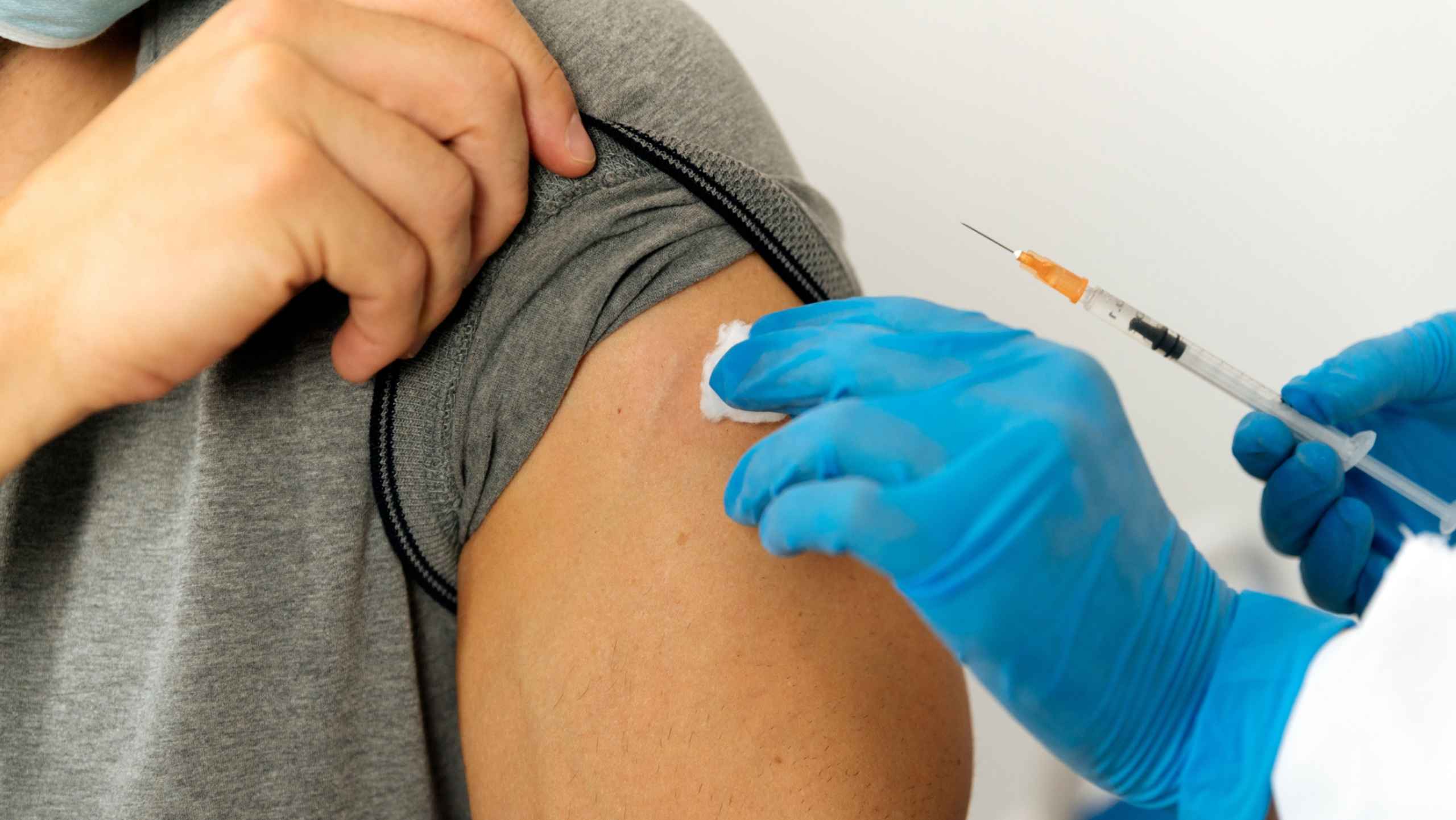


Since the first COVID-19 vaccines became available at the end of 2020, millions of people in the United States have received several doses of the vaccines—including boosters and updated versions—to help protect themselves from the highly contagious virus.
The vaccines do not provide 100 percent protection against becoming infected with the virus. In fact, no vaccine is 100 percent effective. But people who are up to date on their vaccinations are better protected from illness than those who are unvaccinated. They also have a lower risk of spreading COVID-19 to other people.
According to the Centers for Disease Control and Prevention (CDC), being up to date means that an immunocompromised child between 6 months and 17 years or any person aged 18 years or older has received the newest COVID-19 vaccine. For children between 6 months and 17 years who are not immunocompromised, speak to a trusted healthcare provider (HCP) about the decision to vaccinate.
How the COVID-19 vaccine protects you
Here’s a look at the outcomes that a COVID vaccine helps prevent:
Death
People who are up to date with vaccinations are at a much lower risk of dying from COVID-19 than people who are unvaccinated.
Serious illness
The vaccines protect against serious illness from COVID-19. That includes the kind of symptoms and complications that can put a person in the hospital, requiring intensive care and a ventilator. It can be difficult to predict who will experience serious illness.
Adults over the age of 65 and those with existing health issues are most at risk for serious illness. Those issues may include cancer, chronic lung disease, diabetes, and a compromised immune system. But COVID-19 has also led to hospitalizations and death in younger and middle-aged people who are otherwise healthy.
Moderate illness
Moderate illness refers to a COVID-19 infection that doesn’t require hospitalization but is still significant. You may experience dehydration, fever, shortness of breath, and other symptoms. These symptoms can last weeks. It is more common for people who have been vaccinated to experience mild symptoms, which tend to feel more like those of a common cold.
Long COVID
It is estimated that up to 1 in 4 adults diagnosed with COVID-19 will experience post-COVID symptoms, also known as "long COVID." Symptoms can include difficulty breathing, chest pain, fatigue, and loss of taste or smell. These issues can persist 6 months or longer after recovering from the virus. By preventing COVID in the first place, vaccines can help people avoid these complications.
Spreading COVID
In addition to protecting yourself, the vaccine can help prevent you from passing COVID on to others. Researchers have found that even when vaccinated people do contract COVID, they spread the virus for a shorter period of time than those who are not vaccinated.
Even if you’ve had COVID-19 before, it’s important to get a vaccine. It gives you added protection against getting the virus again.
Talk to your healthcare provider
If you have more questions about the vaccine or are unsure which COVID-19 vaccine to get, your best source of information is a healthcare provider. The vaccine is readily available at pharmacies and other locations.
Sources: Food and Drug Administration. FDA Approv... + 8
- Food and Drug Administration. FDA Approves First COVID-19 Vaccine. August 23, 2021.
- Centers for Disease Control and Prevention. Interim Clinical Considerations for Use of COVID-19 Vaccines in the United States. September 23, 2026.
- Centers for Disease Control and Prevention. Benefits of Getting Vaccinated. October 8, 2026.
- Centers for Disease Control and Prevention. 2026-2027 COVID-19 Vaccination Guidance for People Who Are Not Immunocompromised. September 23, 2026.
- Mayo Clinic. COVID-19 vaccines: Get the facts. August 31, 2026.
- Centers for Disease Control and Prevention. People with Certain Medical Conditions and COVID-19 Risk Factors. October 8, 2026.
- Global Burden of Disease Long COVID Collaborators; Wulf Hanson S, Abbafati C, et al. Estimated Global Proportions of Individuals With Persistent Fatigue, Cognitive, and Respiratory Symptom Clusters Following Symptomatic COVID-19 in 2020 and 2021. JAMA. 2022 Oct 25;328(16):1604-1615.
- Mandel H, Yoo YJ, et al. Long COVID Incidence Proportion in Adults and Children Between 2020 and 2024: An Electronic Health Record-Based Study From the RECOVER Initiative. Clin Infect Dis. 2025 Jul 18;80(6):1247-1261.
- GoodRx. Is the COVID Vaccine Free? Costs, Insurance, Billing, and More Explained. February 26, 2025.